Most people book an eye exam only when their vision starts to blur. That habit misses the bigger picture. A comprehensive eye exam checks far more than how well you read the bottom line on a chart. It screens for glaucoma, cataracts, macular degeneration, and even early signs of diabetes and high blood pressure. Your eyes are one of the few places in the body where a doctor can see blood vessels and nerve tissue without any invasive testing.
That’s why choosing the right eye clinic in Toronto downtown matters, whether you’re due for a routine exam or dealing with a specific vision concern. Downtown living means long days in front of screens, busy commutes, and packed schedules, all of which put extra strain on your eyes.
What Happens During a Comprehensive Eye Exam
A thorough eye exam covers several stages, and understanding what to expect makes the visit far less.
Vision testing. Your optometrist checks visual acuity at various distances to determine whether you need corrective lenses and, if so, what strength.
Eye health screening. Using specialized equipment, your doctor examines the front and back of your eye, checking for early signs of disease before symptoms appear.
Eye pressure testing. This step screens for glaucoma, a condition that can cause permanent vision loss if left untreated.
Peripheral vision assessment. Your side vision gets tested separately from central vision, since certain conditions affect one without noticeably affecting the other.
Colour vision and depth perception. These tests matter for daily tasks like driving and can also reveal underlying neurological issues in rare cases.
Most comprehensive exams take between 30 and 45 minutes, and your optometrist will walk you through the results before recommending next steps.
Common Vision Problems We Treat
A downtown Toronto optometrist sees a wide range of concerns, from routine prescription updates to more complex eye conditions. Common issues include:
- Nearsightedness and farsightedness
- Astigmatism
- Digital eye strain from prolonged screen use
- Dry eye syndrome
- Age-related vision changes
- Early signs of glaucoma or cataracts
Digital eye strain deserves special mention here. Long hours spent staring at laptops and phones lead to symptoms like headaches, blurred vision, and dry, irritated eyes. Simple adjustments, like the 20-20-20 rule (looking at something 20 feet away for 20 seconds every 20 minutes), can ease the strain, but a proper exam will confirm whether glasses or treatment are also needed.
Choosing the Right Eye Clinic in Toronto Downtown
Not every optometry practice offers the same level of care. When choosing an eye clinic in Toronto downtown, a few factors make a real difference in the quality of care you receive.
Technology matters. Clinics equipped with digital retinal imaging and advanced diagnostic tools catch issues earlier than clinics relying on outdated equipment.
Experience across age groups. Whether you’re booking an exam for a young child or an aging parent, a clinic with experience across all life stages provides more consistent, informed care.
Convenient location and hours. Downtown living means less patience for long commutes to appointments. A clinic located centrally, with flexible scheduling, fits far more easily into a busy routine.
A personalized approach. Every set of eyes is different. A good optometrist takes time to understand your lifestyle, whether that means long hours at a computer, frequent driving, or outdoor activity, and tailors recommendations accordingly.
Eyewear and Contact Lens Services
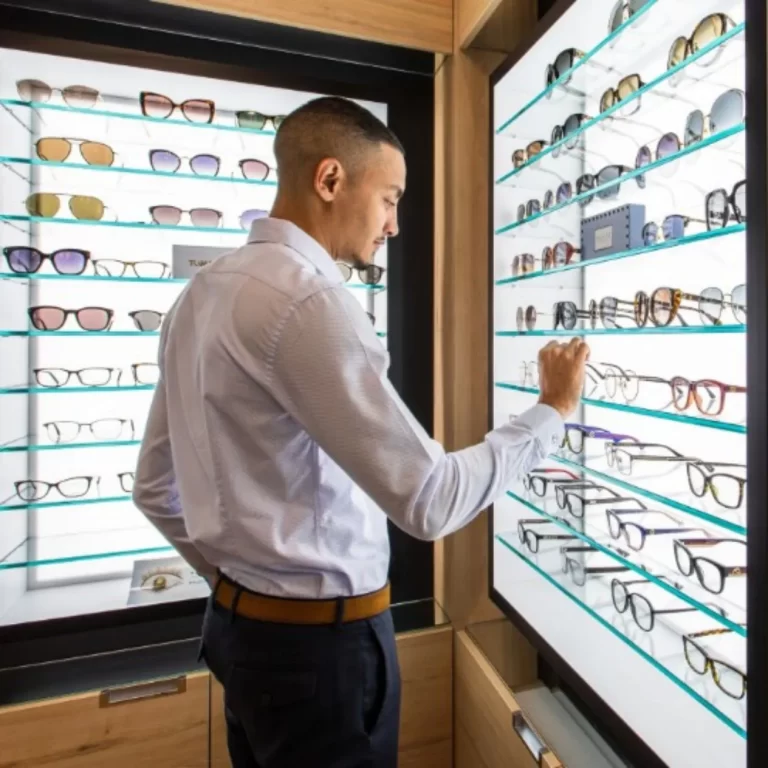
Beyond exams, most downtown clinics offer a full range of eyewear services. This typically includes a selection of frames suited to different styles and budgets, along with contact lens fittings for those who prefer them over glasses. If you’re new to contacts, your optometrist will walk you through proper insertion, removal, and care to avoid irritation or infection.
Specialty lenses are also available for conditions like astigmatism or presbyopia, and many clinics carry blue-light filtering lenses designed to reduce digital eye strain for people who spend most of their day in front of screens.
How Often Should You Get an Eye Exam
Recommended frequency depends on age and risk factors. Adults between 20 and 64 with no vision problems typically need an exam every two years. Adults 65 and older should book annual exams, since risk for conditions like cataracts and glaucoma increases with age. Children should have their first exam around six months old, followed by another between ages two and three, and then regular exams once they start school.
If you wear glasses or contacts, have a family history of eye disease, or manage a condition like diabetes, more frequent exams are often recommended. Your optometrist can set a schedule based on your specific health profile.
Signs You Shouldn’t Ignore
Certain symptoms call for a same-week appointment rather than waiting for your next scheduled exam. These include sudden blurred vision, eye pain, flashes of light, a sudden increase in floaters, or any noticeable change in your field of vision. These symptoms can signal urgent conditions like retinal detachment, and early treatment often makes the difference in long-term outcomes.
What Sets a Great Downtown Toronto Optometrist Apart
Beyond technical skill, the best providers take time to explain findings clearly, answer questions without rushing, and make the exam feel approachable rather than clinical. A good downtown Toronto optometrist treats every visit as an opportunity to build a long-term picture of your eye health, not just a quick prescription check.
Clear communication also extends to next steps. Whether you need new glasses, a referral to a specialist, or simply reassurance that your eyes are healthy, a good optometrist makes sure you leave with a clear understanding of your results.
Book Your Appointment
Your eyes work hard every day, and regular checkups are one of the simplest ways to protect your long-term vision and overall health. Whether you’re due for a routine exam, dealing with digital eye strain, or noticing changes in your vision, HealthOne’s optometry team is here to help. Book your appointment today and take the next step toward clearer, healthier vision.
Frequently Asked Questions
How long does a comprehensive eye exam take?
Most exams take between 30 and 45 minutes, depending on the tests needed.
Do I need a referral to see an optometrist?
No referral is required. You can book directly for a routine eye exam.
What should I bring to my appointment?
Bring your current glasses or contacts, a list of any medications, and your health card if applicable.
Can an eye exam detect health issues beyond vision?
Yes. Eye exams can reveal early signs of conditions like diabetes, high blood pressure, and certain neurological issues.
