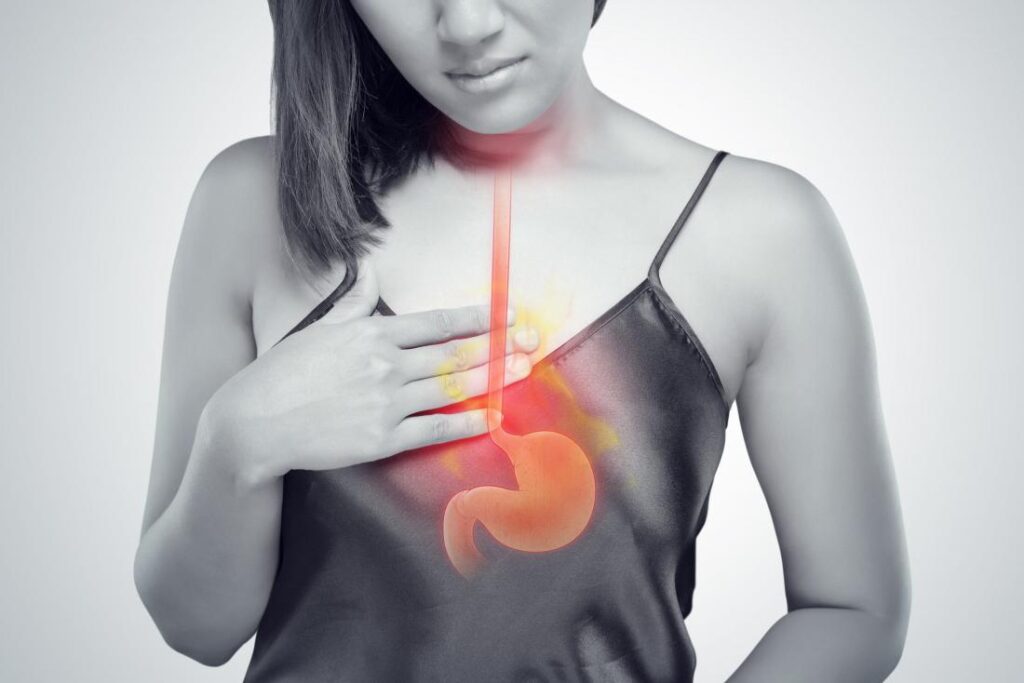
Almost everyone has felt it at some point — that hot, uncomfortable sensation rising from the stomach into the chest, often after a large or spicy meal. Occasional heartburn is one of the most common digestive complaints in the world, and for most people it is nothing more than a passing nuisance. But when that burning becomes a regular visitor, it may be a sign of acid reflux that deserves a closer look. Understanding why reflux happens, what makes it worse, and when it needs medical attention can save you a great deal of discomfort — and, in some cases, prevent longer-term problems.
What Acid Reflux Actually Is
Your stomach produces acid to break down food and kill harmful bacteria. A ring of muscle at the base of the food pipe, called the lower oesophageal sphincter, normally acts like a one-way valve — letting food into the stomach and keeping acid from travelling back up. Acid reflux occurs when this valve relaxes or weakens at the wrong time, allowing stomach acid to flow upward into the food pipe. Because the lining of the food pipe is not built to withstand acid the way the stomach is, this contact causes the familiar burning sensation known as heartburn.
When reflux happens frequently or begins to affect daily life, doctors refer to it as gastro-oesophageal reflux disease, or GERD. It is a common, manageable condition — but one worth taking seriously if it persists.
Why It Happens
Reflux is rarely caused by a single factor. More often, it results from a combination of physical and lifestyle influences. Being overweight increases pressure on the stomach, which can push acid upward. Large meals, eating late at night, and lying down soon after eating all give acid an easier path back into the food pipe. Certain foods and drinks relax the valve or increase acid production. Smoking, stress, and some medications can play a role too. Pregnancy commonly causes reflux because of both hormonal changes and increased abdominal pressure. In some people, part of the stomach pushes up through the diaphragm — a condition known as a hiatus hernia — which can make reflux more likely and more persistent.
Everyday Triggers Worth Knowing
While triggers vary from person to person, some are common enough to be worth watching:
- Spicy, fatty, or deep-fried foods
- Citrus fruits, tomatoes, and other acidic foods
- Chocolate, mint, onions, and garlic
- Caffeinated drinks, fizzy drinks, and alcohol
- Very large portions, especially close to bedtime
- Tight clothing that presses on the abdomen
Keeping a simple food-and-symptom diary for a couple of weeks can reveal which of these affect you personally, allowing you to make targeted changes rather than cutting out everything at once. Most people find that only a handful of their favourite foods are genuine culprits, which makes managing reflux far less restrictive than it first appears.
Simple Changes That Often Help
1. Eat smaller, earlier meals. Large meals stretch the stomach and encourage reflux. Eating modest portions and finishing your last meal at least two to three hours before lying down gives the stomach time to empty.
2. Watch your weight. Even a small reduction in excess weight can significantly ease pressure on the stomach and reduce symptoms.
3. Adjust your sleep setup. Raising the head of your bed slightly, or lying on your left side, uses gravity to help keep acid where it belongs during the night.
4. Identify and limit your triggers. Rather than following a rigid diet, focus on the specific foods and drinks that reliably bother you.
5. Don’t smoke. Smoking weakens the valve at the base of the food pipe and increases acid, making reflux more likely and harder to control.
6. Manage stress. Stress does not directly cause reflux, but it can heighten your sensitivity to symptoms and disrupt eating habits, so techniques that help you relax are worthwhile.
A Word on Antacids and Medication
Over-the-counter antacids neutralise stomach acid and provide quick, short-term relief, which makes them useful for the occasional flare-up. Other medicines work by reducing the amount of acid the stomach produces and can help with more frequent symptoms. These treatments have an important place, but it is worth remembering that they manage the symptom rather than the underlying cause. Relying on them heavily for long stretches is not a substitute for understanding why the reflux is happening. If you find yourself needing acid-reducing medication on most days, or your symptoms return the moment you stop, that is a clear signal to speak with a doctor rather than quietly increasing the dose.
When Heartburn Is More Than a Nuisance
Occasional heartburn that responds to simple changes or an antacid is usually not a concern. But reflux that occurs frequently, or that keeps returning despite treatment, should not be ignored. Over time, repeated exposure to acid can inflame and damage the lining of the food pipe, and untreated acid problems can also contribute to painful stomach ulcers. In a small number of people, long-standing reflux can lead to more serious changes in the food-pipe lining. Persistent symptoms are the body’s way of signalling that the underlying cause needs to be addressed rather than simply masked.
Certain symptoms warrant prompt medical attention. See a doctor if you experience:
- Heartburn that occurs several times a week or needs regular medication
- Difficulty or pain when swallowing
- A sensation of food getting stuck
- Persistent nausea or vomiting
- Unintended weight loss
- Vomiting blood or passing black, tarry stools
These do not always point to something serious, but they should be evaluated without delay.
When to See a Doctor
If lifestyle changes and occasional antacids are not enough, or if your symptoms are frequent and disruptive, it is worth seeing a doctor. Persistent reflux is often investigated with a simple procedure such as an endoscopy, which lets the doctor look directly at the food pipe and stomach to check for inflammation, ulcers, or other causes. Identifying what is really going on allows for a treatment plan tailored to you, rather than a lifetime of reaching for antacids.
The Bottom Line
Heartburn is common, but it should not be a permanent feature of your life. For most people, a few consistent changes — smaller and earlier meals, a healthier weight, avoiding personal triggers, and not smoking — bring real relief. When symptoms are frequent, stubborn, or accompanied by warning signs, a proper assessment can uncover the underlying cause and prevent complications. Listen to that burning sensation; more often than not, it is simply asking you to make a change.
