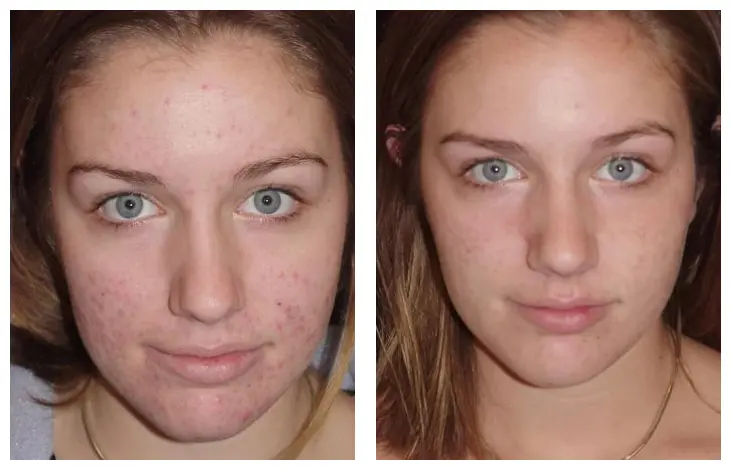
Acne is the most common skin condition in the world, and also one of the most mismanaged — buried under conflicting advice, aggressive “hacks” and products that often make things worse. Whether you’re a teenager or an adult who assumed you’d outgrow it, here’s an honest look at what causes breakouts, what actually clears them, and how to handle the scars they can leave behind.
Why acne happens
A breakout forms when a pore becomes clogged with excess oil and dead skin cells. This creates an environment where naturally occurring bacteria multiply, triggering inflammation — the redness, swelling and pus of a pimple. Hormones are a major driver, which is why acne flares during puberty, around menstrual cycles, and in conditions involving hormonal imbalance. Genetics, stress, certain products and diet can all play supporting roles.
Importantly, acne is not a sign of poor hygiene. Over-washing and scrubbing harder are among the most common mistakes people make.
The different types of breakout
Not all acne is the same, and the type shapes the treatment. Blackheads and whiteheads (comedonal acne) are clogged pores with little inflammation. Red, tender bumps and pus-topped spots (papules and pustules) are inflammatory acne. Deep, painful lumps that sit under the skin (nodules and cysts) are the most severe form — and the most likely to scar. Mild comedonal acne often responds to a good over-the-counter routine, but inflammatory and especially cystic acne usually needs prescription-strength treatment. Recognising that a deep, painful breakout is not something to squeeze or wait out — but a reason to seek help early — can save you from permanent scarring.
It’s not just a teenage problem
Adult acne — particularly along the jaw and chin — is increasingly common, especially in women, and is often hormonally influenced. If you’re breaking out well into your twenties, thirties or beyond, you’re not doing anything “wrong,” and the same evidence-based principles apply.
What actually helps
- Keep the routine gentle. Wash twice daily with a mild cleanser. Harsh scrubs and astringents strip the skin, trigger more oil, and worsen inflammation.
- Use proven actives. Ingredients like benzoyl peroxide, salicylic acid and topical retinoids are genuinely effective — but introduce them slowly to avoid irritation.
- Don’t over-dry. Blasting skin with strong products until it’s tight and flaky damages the barrier and prolongs breakouts. Moisturise; even oily, acne-prone skin needs it.
- Wear sunscreen. Sun doesn’t “dry out” acne — it worsens the dark marks left behind and irritates skin already under treatment.
- Be patient. Most acne treatments take six to twelve weeks to show real results. Switching products every week guarantees you never give anything time to work.
Habits that quietly make it worse
- Picking and squeezing. The single biggest cause of permanent scarring. It pushes inflammation deeper and turns a temporary spot into a lasting mark.
- Over-washing and scrubbing. Irritation is not the same as cleaning.
- DIY “remedies” like toothpaste or lemon. These commonly burn and irritate the skin, adding damage on top of acne.
- Piling on products. Layering ten actives at once overwhelms the skin barrier.
Does diet affect acne?
This is one of the most argued-about questions in skincare, and the honest answer is: sometimes, for some people. The old warnings about chocolate and greasy food are largely myth — no single food causes acne. But there is reasonable evidence that diets high in sugar and refined carbohydrates, and in some individuals dairy, can aggravate breakouts by influencing hormones and inflammation. That doesn’t mean you need a restrictive diet. Balanced eating, steady blood sugar and adequate hydration support clearer skin — but they work alongside proper treatment, not instead of it. If you suspect a specific trigger, track it for a few weeks rather than cutting out whole food groups on a hunch.
Over-the-counter or prescription?
Drrugstore products can genuinely help mild acne, and they’re a sensible first step. But if weeks of consistent use aren’t working, that’s a signal — not a reason to keep buying stronger versions of the same thing. Prescription treatments, from topical retinoids and antibiotics to hormonal options and, for severe cases, oral medication, are far more effective for stubborn or scarring acne. They also come with guidance on using them safely, which matters, because the strongest products cause the most irritation when used carelessly.
Marks versus true scars
Not every mark is a scar, and the distinction matters:
- Post-inflammatory marks — the flat red, brown or dark spots left after a pimple heals — are not true scars. They fade over months, and sun protection plus targeted treatments speed that up.
- True scars are textural changes in the skin: shallow depressions, sharper “ice-pick” pits, or raised scars in some people. These don’t simply fade with creams.
The good news is that genuine scars respond to professional treatments — approaches like medical chemical peels, microneedling with radiofrequency, fractional lasers and minor in-clinic procedures can visibly improve texture over a course of sessions. The key is that scar treatment starts with getting the active acne under control first — treating scars while breakouts continue is a losing battle.
When to see a dermatologist
Consider professional help if your acne is painful or cystic, is leaving marks or scars, hasn’t responded to over-the-counter products after a couple of months, or is affecting your confidence. A dermatologist can prescribe stronger, better-targeted treatments than anything on a shelf, address hormonal drivers, and — crucially — help you prevent scarring before it forms rather than treating it afterward.
The bottom line
Acne is common, treatable, and rarely your fault. Keep your routine simple and gentle, use proven ingredients consistently, resist the urge to pick, and give treatments time. And if breakouts are persistent, painful, or starting to scar, see a professional early — because preventing a scar is always easier than fixing one.
