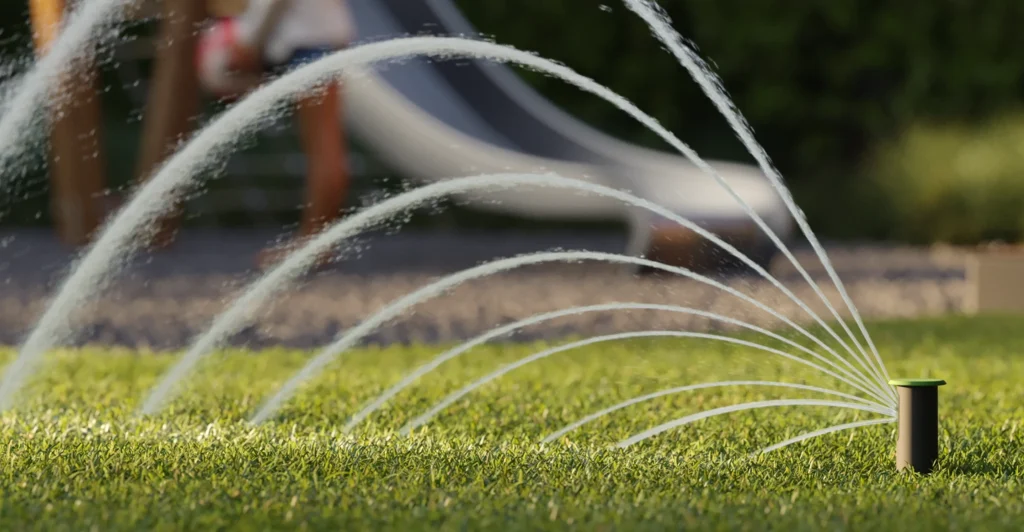
Keeping a lawn healthy in Adelaide requires careful water management, especially during hot, dry summers and periods of low rainfall. A smart irrigation system helps deliver the right amount of water while reducing unnecessary use. Choosing between a DIY sprinkler system and professional installation depends on your budget, property size, and maintenance expectations. Whether you are planning a new turf installation or improving an existing lawn, selecting the right irrigation approach can support healthier grass and better water efficiency.
Why Smart Irrigation Suits Adelaide’s Conditions
Adelaide’s warm, dry climate and seasonal water restrictions make efficient irrigation an important part of lawn care. Smart irrigation systems use timers, weather data, or soil moisture sensors to water lawns only when required. This reduces water waste, supports healthy root growth, and helps prevent overwatering. Even watering helps lawns stay healthier throughout the year while reducing unnecessary water use.
DIY Sprinkler System: Is It the Right Choice?
Installing a sprinkler system yourself can be a practical option for smaller gardens if you have the time and confidence to complete the work. Before deciding, consider the following factors:
- Initial Cost: Installing the system yourself can reduce labour costs, although material costs remain similar.
- Flexibility: You can install the system in stages and make changes whenever needed.
- Challenges: Incorrect sprinkler spacing, uneven water pressure, or poor planning may result in dry or waterlogged areas.
- Best Suited For: Homeowners with simple garden layouts and basic installation skills.
A DIY approach can work well when the project is straightforward and ongoing adjustments are manageable.
Professional Installation: Why Many Homeowners Prefer It
Professional installation focuses on creating an irrigation system that matches the property’s layout and watering needs. Some of the main benefits are:
- Site Assessment: Professionals evaluate soil conditions, slopes, and lawn size before planning the system.
- System Design: Sprinklers are positioned to provide even coverage and minimise water loss.
- Water Efficiency: Smart controllers can be programmed to adjust watering schedules based on seasonal conditions or weather data.
- Long-Term Performance: Proper installation supports reliable operation and complements successful turf installation by promoting consistent lawn growth.
A professionally installed system often requires fewer post-installation corrections and can provide dependable performance over time.
Comparing DIY and Professional Installation
The differences between the two options become clearer when comparing the main factors.
| Feature | DIY | Professional Installation |
| Initial cost | Usually lower | Usually higher |
| Installation time | Depends on experience | Typically faster due to professional planning |
| Water efficiency | Varies with design | Optimised for the property |
| Maintenance | More owner involvement | Generally fewer adjustments |
| Best suited for | Small, simple lawns | Larger or more complex landscapes |
A DIY irrigation system may suit homeowners looking for a lower initial investment, while professional installation is often a better choice for larger properties or those seeking long-term efficiency with minimal installation errors.
Conclusion
Both DIY and professional irrigation systems can support a healthy lawn when planned carefully. The right choice depends on your property’s size, available budget, practical skills, and long-term maintenance preferences. Smaller lawns may benefit from a well-planned DIY solution, while larger or more complex landscapes often gain greater value from professional installation. Taking these factors into account helps create an irrigation system that uses water responsibly while supporting healthy lawn growth throughout the year.
