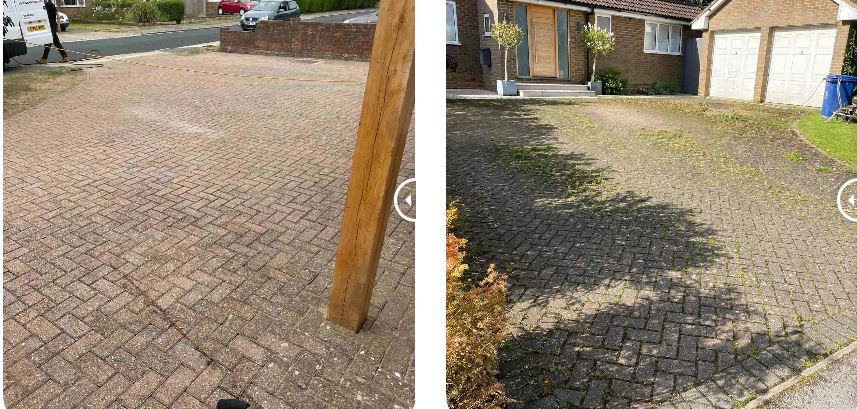
Heavy rain is a familiar part of life in the UK, but while most homeowners think about protecting their roofs and gutters, the driveway is often overlooked. Day after day, rainfall can gradually wear down the surface, encourage moss and algae growth, wash away jointing sand, and create drainage issues that shorten the lifespan of your driveway.
The good news is that most rain-related damage develops slowly, giving you plenty of opportunity to prevent it. By understanding how water affects different driveway materials and carrying out simple maintenance throughout the year, you can keep your driveway safe, attractive, and structurally sound.
Why Heavy Rain Is Hard on Driveways
Driveways are designed to withstand the elements, but they’re not maintenance-free. Frequent rainfall, especially during the UK’s wetter months, exposes surfaces to constant moisture.
Over time, this can lead to:
- Moss and algae growth
- Staining from organic matter
- Loose or sunken paving blocks
- Erosion of jointing sand
- Standing water
- Cracks caused by freeze-thaw cycles
These issues don’t usually appear overnight. They develop gradually, making regular inspections one of the best ways to avoid costly repairs.
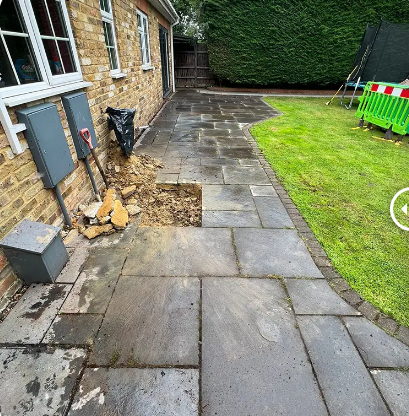
Water Doesn’t Damage Every Driveway the Same Way
Different driveway materials respond differently to prolonged rainfall.
Block Paving
Block paving is popular across the UK because it’s durable and attractive. However, heavy rain can gradually wash away the kiln-dried sand between the joints.
Without this support:
- Blocks may begin to move.
- Weeds can establish themselves more easily.
- Water penetrates deeper into the surface.
Regular inspection and re-sanding after professional driveway cleaning can help maintain stability.
Concrete Driveways
Concrete is strong but naturally porous. Water can seep into small surface cracks, and during freezing weather, expanding ice may make those cracks larger.
Keeping the surface clean allows you to spot developing problems before they worsen.
Tarmac Driveways
Standing water is one of the biggest threats to tarmac. If drainage is poor, moisture can weaken the surface over time, particularly on older driveways.
Early repairs are usually simpler and more affordable than replacing larger damaged sections.
Resin Bound Surfaces
Resin-bound driveways generally drain well, but leaves, moss, and dirt can clog the small gaps that allow water to pass through.
Routine cleaning helps maintain permeability and reduces the likelihood of standing water.
Watch for Early Warning Signs
Many homeowners don’t realise their driveway is struggling until obvious damage appears.
Look out for:
- Water pooling after rain
- Green algae or black spots
- Loose paving blocks
- Weeds growing between joints
- Surface cracks
- Slippery patches
- Discoloured areas that remain wet long after rainfall
These signs usually indicate that maintenance is needed rather than complete replacement.
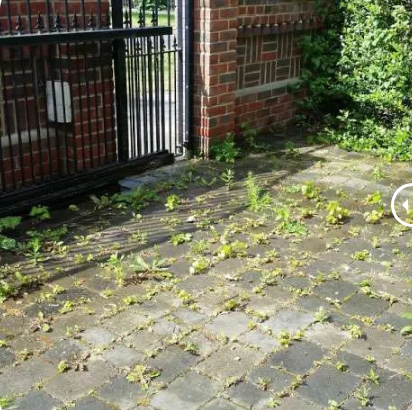
Moss and Algae Thrive in Wet Conditions
The UK’s damp climate creates ideal conditions for moss and algae, especially on shaded driveways.
Aside from affecting appearance, they can make surfaces extremely slippery during wet weather.
Removing this build-up early is safer than allowing it to spread across the entire driveway.
Many homeowners choose professional driveway cleaning because specialist equipment can remove organic growth without unnecessarily damaging the surface.
Keep Drainage Clear
Sometimes the problem isn’t the driveway itself, it’s where the water goes.
Blocked drains, overflowing gutters, or poorly directed downpipes can cause water to collect on the driveway after every rainfall.
Periodically check that:
- Drainage channels remain free from leaves.
- Gullies are not blocked.
- Downpipes discharge away from the driveway where possible.
- Water flows away naturally rather than pooling.
Good drainage reduces long-term wear on every type of driveway.
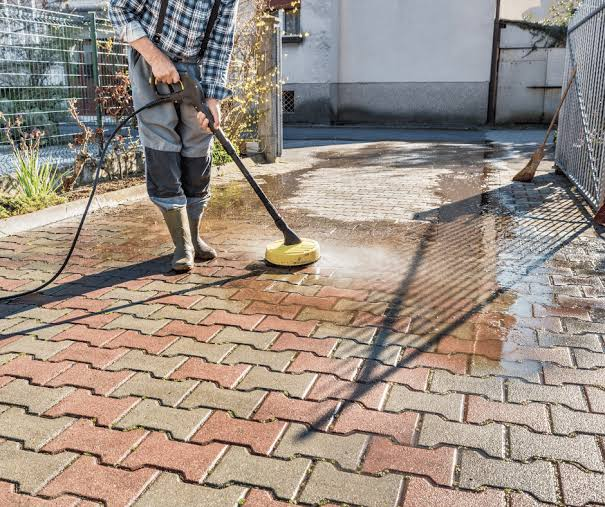
Be Careful with Pressure Washing
Pressure washing can be highly effective, but using too much pressure can do more harm than good.
Excessive pressure may:
- Remove jointing sand from block paving.
- Etch concrete surfaces.
- Damage decorative finishes.
- Force water beneath paving.
A professional driveway pressure washer is typically operated with the correct pressure settings, nozzle selection, and cleaning techniques for each surface, reducing the risk of accidental damage.
Don’t Ignore the Joints
For block paving, the joints are just as important as the blocks themselves.
When heavy rain washes away jointing sand, paving becomes less stable and more vulnerable to movement.
After cleaning driveway bricks, it’s often necessary to refill the joints with kiln-dried sand to help keep the blocks securely in place.
This small maintenance step can significantly extend the life of a block-paved driveway.
Simple Maintenance Throughout the Year
Rather than waiting for visible damage, adopt a routine that changes with the seasons.
Spring
- Remove winter dirt and moss.
- Check for movement or cracking.
- Clear drainage channels.
Summer
- Treat weed growth.
- Inspect joints between paving.
- Remove surface stains before they become permanent.
Autumn
- Sweep away fallen leaves regularly.
- Prevent organic debris from decomposing on the surface.
- Keep nearby drains clear.
Winter
- Remove standing water where possible.
- Avoid allowing leaves to freeze onto the surface.
- Check for damage after periods of frost.
Small, regular maintenance tasks are usually more effective than one major clean each year.
When Is Professional Cleaning Worth Considering?
Some stains and biological growth become difficult to remove with household equipment alone.
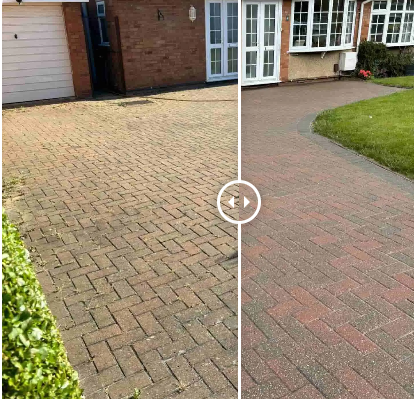
Professional driveway cleaning services may be worthwhile when:
- Moss returns quickly after cleaning.
- Oil stains have penetrated the surface.
- Black spots remain despite repeated washing.
- The driveway has become slippery.
- Weeds are widespread.
- The surface hasn’t been cleaned for several years.
Experienced driveway cleaning specialists can assess the condition of the driveway and choose a cleaning method appropriate for the material, rather than applying the same approach to every surface.
For many homeowners, periodic residential driveway cleaning also provides an opportunity to identify early signs of wear before more significant repairs become necessary.
Prevention Is Always Easier Than Repair
Heavy rain is unavoidable, but much of the damage associated with it is preventable.
Simple actions such as keeping drains clear, removing moss early, inspecting paving after storms, and maintaining joints can significantly improve the lifespan of your driveway.
Whether you carry out routine maintenance yourself or occasionally arrange driveway cleaning services, the important thing is consistency. A well-maintained driveway not only looks better but is also safer to use, performs better in wet weather, and is less likely to require costly repairs in the future.
Final Thoughts
Rain is part of everyday life in the UK, and your driveway experiences its effects every time the weather changes. While gradual wear is inevitable, neglect doesn’t have to be.
By understanding how rainfall affects different driveway materials, recognising early warning signs, and following a simple seasonal maintenance routine, homeowners can keep their driveways in good condition for years to come. Preventative care takes far less time, and usually far less money, than dealing with the consequences of long-term water damage.
