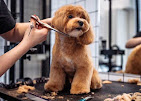
Keeping your dog clean and well-groomed is an important part of everyday pet care. Grooming is not only about making your dog look neat. It can also help keep the coat clean, reduce tangles, manage loose hair, and make your pet feel more comfortable.
A Standard Dog Groom is a useful option for dogs that need regular coat care without a more detailed styling service. It can include bathing, drying, brushing, and basic trimming, depending on the grooming studio and your dog’s needs.
Regular grooming also gives you a chance to notice changes in your dog’s coat, skin, paws, or ears.
What Is a Standard Dog Groom?
A standard groom is designed to keep a dog’s coat clean, tidy, and easy to manage. The exact service can vary depending on the dog’s coat and the grooming studio.
It may include:
Bathing
Coat brushing
Drying
Basic trimming
Nail clipping
Ear cleaning
Hygiene trimming
Removal of loose hair
Basic coat maintenance
It is different from a highly styled groom, where the coat is cut into a specific breed or owner-requested style.
For many dogs, a standard groom is a practical way to keep up with regular coat care.
Why Regular Grooming Matters
Dogs spend a lot of time walking, playing, sleeping, and exploring. Dirt, grass, loose hair, and other debris can build up in their coat.
Without regular brushing and cleaning, some coats can become tangled or matted. This can make the coat harder to manage and may become uncomfortable for the dog.
Regular grooming can help:
Remove dirt and loose hair
Keep the coat easier to brush
Reduce small tangles
Keep the dog smelling fresh
Keep paws and nails tidy
Support good everyday hygiene
Make coat care easier at home
Grooming also helps owners become familiar with their dog’s normal skin and coat. If something looks different, it may be easier to notice during regular grooming.
What Happens During a Standard Dog Groom?
The process usually starts with a quick look at the dog’s coat. The groomer may check for knots, mats, dirt, or areas that need extra attention.
The dog is then bathed using products suitable for dogs. After rinsing, the coat is dried and brushed.
Depending on the service, the groomer may also trim areas such as the face, feet, or hygiene areas. Nails and ears may also be cared for.
The process can vary depending on the dog’s size, coat type, and condition.
Grooming Step
What It Does
Coat check
Looks for knots, dirt, and problem areas
Bath
Removes dirt and buildup
Rinse
Removes shampoo and residue
Drying
Removes moisture from the coat
Brushing
Removes loose hair and small tangles
Basic trim
Keeps selected areas neat
Nail care
Helps keep nails at a suitable length
Ear cleaning
Helps remove normal dirt and buildup
Not every standard groom includes every service, so it is worth checking what is included when booking.
Different Coats Need Different Care
Every dog has a different coat. A short-haired dog will usually need less brushing than a dog with long or curly hair.
Short-Haired Dogs
Short coats are often easy to maintain. Regular brushing can help remove loose hair and dirt.
These dogs may still benefit from professional bathing and basic grooming, especially if they spend a lot of time outside.
Long-Haired Dogs
Long coats need more attention. Hair can easily become tangled around the ears, legs, tail, and belly.
Regular brushing is important to stop small knots from becoming larger mats.
Curly Coats
Curly coats can trap loose hair and dirt. They often need regular brushing and professional grooming to keep the coat manageable.
Thick Coats
Thick coats may take longer to wash, brush, and dry. Regular grooming can help remove loose hair and make the coat easier to manage.
How Often Should Your Dog Be Groomed?
There is no fixed schedule that works for every dog.
The right timing depends on the coat, lifestyle, activity level, and how quickly the hair grows.
A dog with a long or curly coat may need grooming more often than a short-haired dog. Dogs that spend lots of time outdoors may also need more regular cleaning.
As a general guide:
Dog Type
General Grooming Need
Short coat
Occasional professional grooming with regular brushing
Medium coat
Regular brushing and grooming as needed
Long coat
Frequent brushing and regular professional grooming
Curly coat
Regular brushing and scheduled grooming
Thick or heavy-shedding coat
Regular brushing and de-shedding when needed
Your groomer can help you work out a routine that suits your dog’s coat.
Brushing Between Grooming Visits
Professional grooming does not replace home coat care.
Brushing between appointments helps remove loose hair and dirt. It can also stop small tangles from becoming difficult mats.
Pay extra attention to areas where hair rubs together, such as:
Behind the ears
Under the collar
Around the legs
Near the tail
Under the belly
Around the paws
Use a brush that suits your dog’s coat. If you find a tight mat, avoid pulling hard because this can hurt your dog.
If the mat is difficult to remove, it is safer to ask a professional groomer for help.
Bathing Your Dog
Bathing is an important part of coat care, but dogs do not always need frequent baths.
The right bathing schedule depends on your dog’s coat and lifestyle. A dog that loves muddy walks may need cleaning more often than a dog that spends most of its time indoors.
When bathing at home, use a shampoo made for dogs. Human shampoo may not be suitable for a dog’s skin.
Rinse the coat properly after shampooing. Any leftover product can cause discomfort or irritation.
Dry the coat well after bathing, especially if your dog has thick or long hair.
Nail and Paw Care
Your dog’s paws deal with a lot every day. Dirt can collect between the pads, while nails can become too long if they are not checked regularly.
During grooming, nails can be checked and trimmed when needed.
You can also check your dog’s paws at home after walks. Look for dirt, grass, small stones, or anything else stuck between the pads.
If your dog has very long nails or dislikes having its feet handled, professional nail care may be easier.
Ear Care
Some dogs produce more ear wax than others. Dogs with floppy ears or lots of hair around the ears may need closer attention.
During grooming, the ears can be checked and cleaned as part of the service when appropriate.
Do not put objects deep into your dog’s ear. If you notice a strong smell, redness, swelling, discharge, or repeated scratching, speak with your veterinarian.
A groomer can clean the outer ear, but health problems inside the ear need veterinary care.
Grooming Can Help With Shedding
Shedding is normal for many dogs. Some lose small amounts of hair throughout the year, while others shed heavily during certain seasons.
Regular brushing can remove loose hair before it ends up on your furniture, floors, and clothes.
A standard groom may also include brushing and coat care that helps manage loose hair.
For dogs that shed heavily, a separate de-shedding service may be more suitable than a basic groom.
Helping Your Dog Enjoy Grooming
Not every dog enjoys being washed, brushed, or dried.
If your dog is nervous, try to make grooming part of its normal routine. Gentle handling at home can help your dog become more comfortable with having its paws, ears, and coat touched.
Avoid turning grooming into a struggle.
During professional appointments, tell the groomer if your dog is nervous, dislikes dryers, or has any areas that are difficult to handle. This gives the groomer a better idea of how to approach the session.
Puppies may also need extra patience because grooming is a new experience for them.
When a Standard Groom May Not Be Enough
A standard groom works well for basic coat maintenance, but some dogs need additional services.
A full groom may be more suitable when the coat needs a haircut or a particular style.
You may also need a specialist service if your dog has:
Heavy shedding
Severe mats
A very long coat
A coat that needs regular styling
Difficult tangles
Special grooming requirements
If you are unsure which service is suitable, explain your dog’s coat and grooming history when making an appointment.
How to Prepare Your Dog for Grooming
A little preparation can make the visit easier.
Before the appointment:
Give your dog a normal walk if appropriate.
Tell the groomer about any areas your dog dislikes being touched.
Mention previous grooming problems.
Avoid trying to cut difficult mats yourself.
Bring any information the groomer needs about your dog’s grooming routine.
Try to keep the experience calm. Dogs often pick up on their owner’s mood, so staying relaxed can help.
Final Thoughts
A Standard Dog Groom is a simple way to keep your dog’s coat clean, tidy, and easier to manage. Regular bathing, brushing, drying, nail care, and basic trimming can make a noticeable difference to your pet’s comfort and appearance.
The grooming routine should match your dog’s coat rather than follow a fixed schedule. Long, curly, and thick coats often need more attention, while short coats may be easier to maintain.
For pet owners looking for a Standard Dog Groom Brisbane service, choosing a groomer who handles dogs gently and understands different coat types can make regular grooming a much easier part of your pet’s routine.
Frequently Asked Questions
1. What is included in a standard dog groom?
It can include bathing, drying, brushing, basic trimming, nail clipping, ear cleaning, and hygiene care. Services vary between grooming studios.
2. How often should my dog have a standard groom?
It depends on the dog’s coat, lifestyle, and grooming needs. Dogs with long or curly coats may need more frequent grooming than short-haired dogs.
3. Is a standard groom the same as a full groom?
No. A standard groom focuses on basic cleaning and coat care, while a full groom usually includes more detailed hair cutting and styling.
4. Can a standard groom help with shedding?
Yes. Brushing during grooming can remove loose hair. Dogs with heavy shedding may benefit from a separate de-shedding service.
5. Should I brush my dog between grooming appointments?
Yes. Regular brushing can remove loose hair and help prevent small tangles from becoming larger mats. The right brush depends on your dog’s coat type.