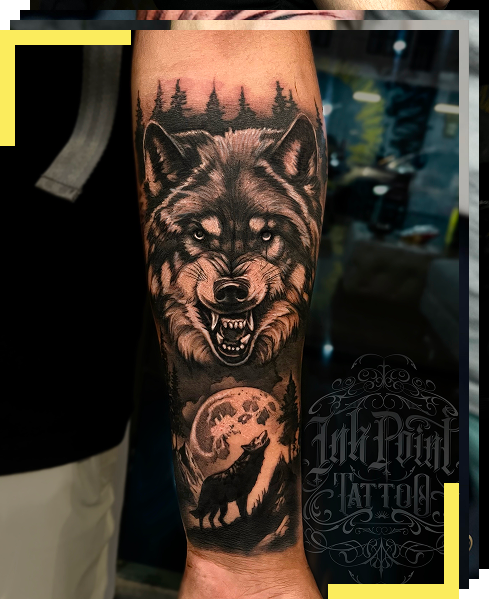
A tattoo can be a form of self-expression, a reminder of an important experience, or simply a piece of artwork that someone connects with personally. While pre-designed tattoo artwork can be appealing, a custom tattoo design gives you the opportunity to create something that reflects your own story, personality, interests, and aesthetic preferences.
Creating a custom tattoo is a collaborative process. It involves more than choosing an image and placing it on the skin. The artist considers the concept, artistic style, size, placement, proportions, linework, shading, and how the finished tattoo will interact with the natural shape of the body. When these elements are carefully planned, the result can feel both personal and visually balanced.
What Is a Custom Tattoo Design?
A custom tattoo design is artwork developed specifically for an individual rather than selected from a collection of pre-drawn designs. The concept may begin with a detailed idea, a few reference images, a meaningful symbol, or even just an emotion that the client wants to express.
Unlike flash tattoos, which are generally pre-designed and available for multiple clients, custom artwork is developed around the individual. The artist can combine different ideas, adjust proportions, introduce new elements, and create a composition that suits the intended placement.
This approach allows clients to participate actively in the creative process while benefiting from the artist’s technical and artistic experience.
Why Choose Custom Tattoo Artwork?
One of the biggest advantages of custom tattooing is individuality. Your tattoo can be created specifically around your preferences instead of adapting yourself to an existing design.
Personal Meaning
A custom tattoo can represent a person, place, memory, achievement, relationship, belief, passion, or significant stage of life.
For example, a client might combine a flower with a meaningful date, incorporate a landscape into a larger composition, or transform a simple symbol into a more artistic illustration.
Creative Freedom
Custom artwork gives you greater freedom to choose the style and visual direction of the tattoo. You can discuss whether you prefer black and grey, color, fine lines, bold outlines, realistic shading, geometric elements, or a combination of approaches.
Better Body Placement
A custom design can be developed specifically for the body area where it will be tattooed. The artist can adjust the shape and flow of the artwork to follow natural curves and movement.
This can be especially important for larger pieces such as sleeves, back tattoos, chest designs, and other multi-element compositions.
Starting With an Idea
You do not need to have a finished design before contacting a tattoo artist. Many people begin with only a general concept.
You might know that you want a particular animal, flower, symbol, phrase, or theme without knowing exactly how it should look. An experienced artist can help transform that initial idea into a practical tattoo concept.
Reference images can also be useful. They help communicate the mood, composition, style, or visual elements you like. However, references do not necessarily need to be copied. They can simply provide direction for developing an original piece.
The Custom Tattoo Design Process
A structured process can make the creative experience easier for both the client and artist.
1. Personal Consultation
The process normally begins with a conversation about your idea. You can discuss your inspiration, preferred style, placement, approximate size, color preferences, and any reference material.
A consultation also gives the artist an opportunity to understand the story behind the tattoo. The provided studio page describes a free consultation process where clients can share their ideas, references, placement preferences, travel dates, and budget range before receiving a design plan and quote.
2. Developing the Artwork
After understanding the concept, the artist can begin developing an original design. The artwork should take into account both the client’s vision and the technical requirements of tattooing.
The size of the tattoo, level of detail, skin area, and desired style can all influence the design.
3. Reviewing and Refining the Design
Design development is often collaborative. Clients can provide feedback, while artists can suggest adjustments that improve balance, readability, and suitability for the chosen placement.
The provided page explains that design revisions are part of its custom process, allowing the artwork to be refined through client feedback before the final concept is approved.
4. Professional Tattoo Execution
Once the design is finalized, the artist transfers the artwork onto the skin and begins the tattooing process.
Technical precision becomes especially important at this stage. Linework, shading, color application, and overall composition need to work together to reproduce the intended artwork effectively.
5. Placement and Flow
Good placement can make a major difference to the final appearance. A tattoo should complement the body’s natural shape rather than look disconnected from it.
Artists may adjust the orientation, proportions, or positioning of a design so that it follows the body’s contours naturally. The provided page specifically describes adapting tattoos to fit the body and considering how the artwork moves and ages over time.
6. Aftercare Guidance
After the tattoo is complete, appropriate aftercare helps support the healing process. Professional artists should provide clear instructions based on the tattoo and its placement.
Following the recommended routine and avoiding unnecessary irritation can help protect the artwork while the skin heals.
Choosing the Right Tattoo Style
Custom tattooing can be used across many artistic styles.
Realistic Designs
Realistic tattoos focus on lifelike proportions, detailed textures, shadows, and highlights. They are often chosen for portraits, animals, flowers, and other subjects where visual realism is important.
Minimalist Artwork
Minimalist tattoos use simplified forms and clean lines. They can be subtle while still carrying strong personal meaning.
Geometric Designs
Geometric tattoos incorporate shapes, symmetry, patterns, and precise linework. These designs require careful planning because proportion and alignment are central to the visual effect.
Traditional Tattoos
Traditional tattoo styles often use bold outlines, strong shapes, and recognizable imagery. They can be adapted into custom compositions while maintaining their distinctive visual character.
Japanese-Inspired Artwork
Japanese-inspired tattoos may incorporate motifs such as koi, dragons, flowers, waves, and other traditional imagery. Larger designs require thoughtful composition so that multiple elements work together.
Small or Large: What Is Better?
There is no universal ideal tattoo size. The right size depends on the design, placement, level of detail, and personal preference.
Small tattoos can work well for simple symbols and minimalist artwork. However, highly detailed designs may require more space to remain visually clear.
Large tattoos provide greater room for detail and composition. Sleeves, back pieces, and other large projects can also be developed in stages, allowing clients to plan the artwork over multiple sessions.
The artist can help determine an appropriate size based on the intended design.
Custom Tattoos for Travelers
For people visiting Thailand, getting a tattoo can become a meaningful part of a travel experience. However, travelers should consider their itinerary when planning a session.
A fresh tattoo requires appropriate care, so activities involving excessive sun exposure, prolonged water exposure, or friction may need to be limited during healing.
The provided studio information notes that appointments can be planned around travel dates, which can be useful for visitors with limited time on the island.
Hygiene and Professional Standards
Artistic ability is important, but hygiene should never be overlooked when choosing a tattoo studio.
A professional environment should maintain clean workspaces and use appropriate sanitation and sterilization practices. The studio page states that it uses sterile equipment, single-use needles, premium inks, and follows international hygiene standards.
Clients should feel comfortable asking questions about hygiene procedures before beginning their tattoo.
How to Prepare for Your Consultation
You can make the consultation more productive by preparing a few details in advance.
Consider:
- What the tattoo should represent
- Your preferred artistic style
- Approximate size
- Preferred body placement
- Color or black-and-grey preference
- Reference images
- Your preferred appointment dates
- Any existing tattoos that need to be incorporated
- Your approximate budget
You do not need to have every detail finalized. The purpose of the consultation is to develop the idea together.
Final Thoughts
A custom tattoo design provides an opportunity to transform a personal idea into original artwork created specifically for you. From the initial consultation and concept development to design revisions, placement planning, tattoo execution, and aftercare, each stage contributes to the final result.
For clients looking for personalized tattoo services in Thailand, Inkpoint Tattoo Studio offers custom tattoo experiences in Koh Samui, with a process centered around consultation, original artwork, revisions, professional execution, placement planning, and aftercare guidance.
The most successful custom tattoos are not necessarily the most complicated. They are designs that feel authentic to the person wearing them and are carefully planned for the body. Take time to communicate your ideas, choose an artist whose portfolio matches your preferred style, and make decisions that you will feel comfortable with for years to come.