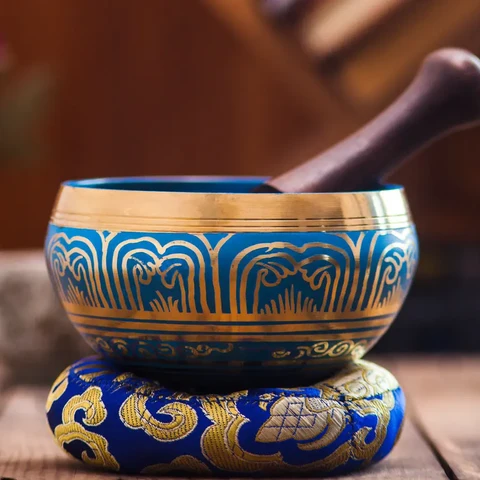
Meditation is often associated with silence, stillness, and mindful breathing, but sound can play an equally meaningful role in creating a focused environment. The right instrument can help establish a calming atmosphere, mark the beginning or end of a session, and encourage practitioners to become more attentive to the present moment. For many practitioners, singing bowl meditation has become a valued part of their mindfulness routine because the gentle resonance of a well-crafted bowl can complement moments of reflection and relaxation.
However, the quality of that experience depends greatly on how the instrument is made. Traditional craftsmanship brings together material knowledge, skilled techniques, cultural heritage, and careful attention to sound, making it an important consideration when choosing meditation instruments.
The Connection Between Craftsmanship and Sound
A meditation instrument is more than an attractive object placed in a wellness space. Its construction can influence its tone, resonance, sustain, and overall playing experience. With handcrafted singing bowls, artisans work carefully with the shape, thickness, weight, and finishing of the metal. These details can contribute to the unique acoustic character of each piece. Machine-made products can offer uniformity, but handmade instruments often carry subtle variations that give them individual personalities. Experienced artisans understand how small changes in the form of a bowl can affect the way it responds when struck or played around its rim. This knowledge is generally developed through years of practice rather than simply following a fixed manufacturing formula.
Preserving Knowledge Through Handmade Instruments
Traditional craftsmanship also protects knowledge that has been passed between generations. Himalayan sound instruments have long been associated with spiritual, cultural, and contemplative practices. The methods used to shape and finish them represent more than manufacturing techniques; they reflect the experience and cultural identity of artisan communities. When traditional methods continue to be practised, artisans retain an opportunity to develop their skills while keeping heritage alive. Every carefully shaped bowl therefore represents a connection between contemporary wellness practices and longstanding artistic traditions.
Why Material Selection Matters
The materials used in sound instruments can significantly influence their durability and acoustic qualities. Traditional singing bowls are commonly made from metal alloys, with artisans paying attention to the composition and preparation of the material during production. Quality materials can help an instrument maintain its structural integrity over time. They can also contribute to a clear tone and reliable resonance when the bowl is played correctly.
For buyers, this makes material transparency an important factor when comparing handmade and mass-produced alternatives. It is also useful to consider how the materials are sourced and handled. Responsible production should look beyond the final appearance of an instrument and consider environmental practices, waste reduction, and ethical sourcing. Choosing products made with greater attention to these factors can support a more responsible approach to mindful living.
What Buyers Should Look For
Selecting a traditional sound instrument requires more than focusing on appearance or price. Buyers should consider several practical factors before making a decision. First, examine the craftsmanship. Look for a well-formed structure, carefully finished surface, and evidence of attentive workmanship. The instrument should feel sturdy and balanced rather than excessively lightweight or poorly finished. Next, consider its sound. If possible, listen to the instrument before purchasing it. Pay attention to the clarity of the initial tone, the length of the resonance, and how comfortably it responds when played. Different bowls may produce different tonal experiences, so personal preference matters.
The Value of Wholesale Craftsmanship
Retailers and wellness businesses often need products that combine authentic craftsmanship with dependable supply. This is where wholesale sound bowls can provide a practical sourcing opportunity when purchased from an experienced manufacturer or supplier. Wholesale buying should not mean compromising on authenticity. Businesses can look for suppliers that maintain traditional production methods while having the capacity to fulfil larger orders. Quality control, consistent communication, secure packaging, and dependable fulfillment are particularly important when sound instruments are being shipped internationally.
Supporting Artisans Through Conscious Purchasing
The decision to purchase a handcrafted meditation instrument can have implications beyond the buyer. When authentic handmade products are sourced responsibly, purchasing can contribute to continued demand for artisan skills and traditional production.
Fair working opportunities, skill development, and sustainable practices can help artisan communities maintain their livelihoods while continuing their creative traditions. This approach makes craftsmanship part of a broader social and environmental value system. Consumers can contribute by asking questions about where products are made, who makes them, what materials are used, and how the supplier approaches sustainability. Such considerations help distinguish genuine craftsmanship from products that simply use traditional-inspired designs for commercial appeal.
Bringing Tradition Into Modern Meditation Spaces
Modern meditation practices continue to evolve, but the appeal of traditional sound instruments remains strong. Their tactile nature, distinctive tones, and cultural associations can bring a sense of authenticity to contemporary wellness environments. For individuals, a handcrafted bowl can become a simple yet meaningful companion during daily mindfulness sessions.
For instructors and wellness professionals, sound instruments can add another dimension to classes and guided practices. Retailers, meanwhile, can introduce customers to products that combine cultural heritage with practical wellness applications. The growing availability of nepali handicrafts online has also made it easier for international buyers to explore traditional products without travelling to Nepal. However, online accessibility makes careful sourcing even more important. Buyers should investigate the maker, production approach, product descriptions, and quality standards before placing an order.
Conclusion
Choosing a meditation sound instrument is ultimately about more than selecting an object with an appealing appearance or pleasant tone. Traditional craftsmanship brings together material expertise, artisan skill, cultural heritage, and careful attention to detail, creating instruments that can offer character and lasting value. When buyers choose thoughtfully made products, they also help sustain the skills and communities responsible for keeping these traditions alive.
This philosophy closely connects with the work of Best Himalaya, a Nepal-based manufacturer and exporter that brings traditional Himalayan craftsmanship into contemporary global markets. Their range includes singing bowls and other handmade cultural products, while their approach combines artisan knowledge with modern production, quality, and sustainability practices. Their focus on responsible sourcing and supporting local craftsmanship reflects how traditional artistry can remain relevant in today’s marketplace.