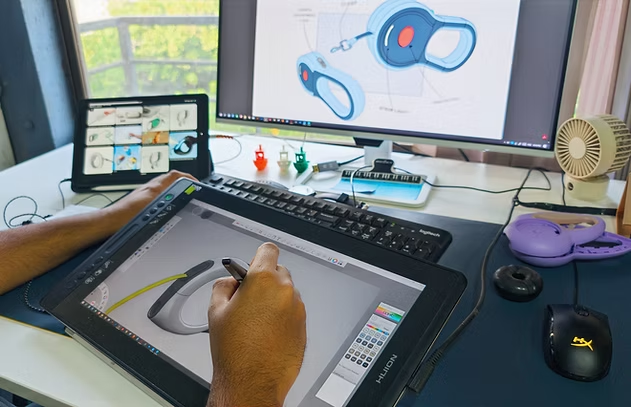
Beautiful home accessories gain lasting value when they fit naturally into everyday life. A well-designed lamp, organiser, table accessory, seating element, or decorative object needs to look appealing while also being comfortable, useful, durable, and easy to live with. This is where a home decor product design studio can bring creative thinking and practical development together. The right design considers the space and the people using the product. Thoughtful development can turn decorative concepts into objects that add personality and purpose to interiors.
The Role of Design in Functional Home Decor
Home decor product design begins by understanding an object’s purpose. A decorative product should complement its surroundings while solving an everyday need or improving an experience. Designers consider the user, environment, dimensions, interaction, materials, and visual language before shaping the concept.
This balance prevents aesthetics from becoming separate from usability. A product may have an attractive silhouette, yet poor proportions, uncomfortable handling, weak materials, or difficult manufacturing can reduce its practical value. Strong design connects appearance and function from the beginning, creating decor that feels considered rather than merely ornamental.
Building a Strong Concept From User Needs
Every successful decor product starts with a clear understanding of what it should achieve. Designers can explore the context of use, identify user expectations, study competing products, and define the features that genuinely matter. This foundation gives creative ideas a clear direction and helps avoid unnecessary details.
Concept development can move through sketches, form exploration, material possibilities, and 3D representations. Comparing alternatives helps refine promising ideas before committing resources.
- Intended purpose and user expectations
- Product proportions and ergonomic requirements
- Visual identity and interior compatibility
- Material and finish possibilities
- Manufacturing feasibility and cost considerations
These considerations turn an initial thought into a focused direction.
Creating Decorative Products Through Balanced Development
A well-developed home decor product should feel visually coherent while performing its intended role without unnecessary complexity. It should also communicate quality through details that support repeated use and easy interaction. Good design makes these qualities feel effortless during everyday use. A home decor product design studio can help achieve this balance by combining creative direction with practical product development considerations.
Industrial design methods help translate an early concept into a physical product by connecting form, usability, materials, engineering, and manufacturing requirements. Development can include CAD modelling, visualisation, ergonomic consideration, material selection, and design for manufacturing. Prototypes reveal issues that digital models may miss, allowing teams to refine proportions, interaction, assembly, and appearance before production.
-
Form and Visual Character
The form establishes the first impression of a decor product and contributes to the atmosphere it creates. Designers can explore proportions, curves, edges, visual balance, and distinctive details to develop an identity that feels intentional. The goal is a form that communicates purpose and fits naturally within its setting.
-
Ergonomics and Everyday Interaction
A decorative object becomes more valuable when people can use it comfortably and intuitively. Handles, controls, seating surfaces, openings, storage elements, and touchpoints need suitable dimensions and positioning. Considering human interaction during development helps ensure that the product remains convenient rather than sacrificing usability for appearance.
-
Materials and Surface Finishes
Materials influence more than durability. Wood, metal, plastic, fabric, glass, and other options can change weight, texture, visual character, maintenance needs, and manufacturing possibilities. Colour, material, and finish decisions should support the aesthetic and practical demands of the product.
-
CAD and Product Visualisation
Three-dimensional CAD modelling gives designers a detailed representation of form, dimensions, components, and relationships between parts. Visualisation can help communicate the concept clearly while allowing design teams to review proportions and details before creating physical prototypes. This makes iteration more focused and supports smoother development.
-
Prototyping Before Production
A physical prototype helps evaluate scale, handling, usability, interaction, and visual impact. Iterative prototyping can expose practical concerns early, allowing designers to adjust the product before production tooling or larger manufacturing commitments begin.
Manufacturing Considerations Strengthen Home Decor Design
An appealing concept must also be realistic to manufacture. Design for manufacturing encourages teams to consider part construction, material behaviour, assembly methods, tolerances, and production processes while the product is still being developed. Addressing these factors early can reduce avoidable changes later and support a smoother transition from design to production.
Manufacturing decisions also influence perceived quality. Consistent finishes, clean joins, suitable materials, and reliable assembly contribute to a polished result. Production support and vendor coordination connect the approved design with practical manufacturing requirements.
Practical Elements That Improve Product Usability
A successful decor product often depends on small details that users may not consciously notice. Thoughtful development considers the complete experience, from first interaction to regular use and maintenance. Each element should contribute to a product that feels natural, dependable, and visually consistent.
- Comfortable dimensions and proportions
- Logical placement of functional elements
- Durable and suitable material choices
- Simple and reliable assembly
- Consistent colour, material, and finish selection
Together, these elements make decorative products useful parts of everyday environments.
Moving From Concept to Production-Ready Home Decor
Once the core design is refined, the focus shifts toward preparing it for real-world production. Detailed part development, engineering inputs, CAD refinement, prototyping, manufacturing feasibility, and production-ready files help establish a clear path from concept to physical product.
This stage is also valuable for identifying opportunities to simplify construction, improve reliability, or refine the user experience. A coordinated development process keeps creative intent connected with technical requirements, helping the final product retain its original character while becoming suitable for consistent manufacturing.
Conclusion
Home decor product design succeeds when visual appeal and everyday function are treated as connected priorities. From user research and concept development to CAD modelling, material selection, prototyping, engineering, and production support, each stage contributes to a more thoughtful product.
For businesses seeking an experienced partner, Studio701 combines industrial design and engineering capabilities to develop practical, refined, and manufacturable products. Its integrated approach can support clients from early concepts through production-ready solutions, while reverse engineering design services can also contribute where existing product structures need to be understood, refined, or developed further with confidence.