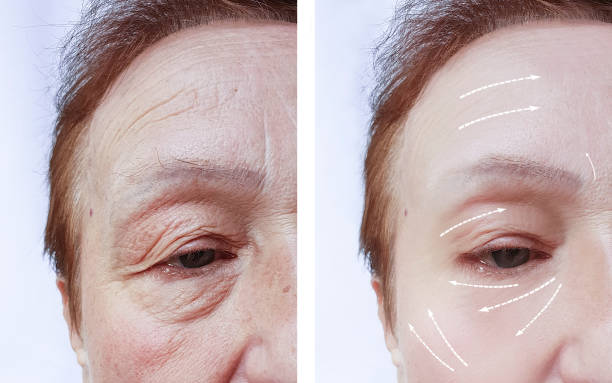
As we age, our skin undergoes a variety of changes. One of the most noticeable signs of aging is the appearance of wrinkles and fine lines. These can appear due to a combination of factors such as reduced collagen production, prolonged sun exposure, lifestyle choices, and the natural aging process. For many people, wrinkles can affect their self-confidence, leading them to seek out effective solutions for smoother, younger-looking skin.
Fortunately, advancements in dermatology and skincare have led to a wide range of anti-wrinkle treatments. From in-office procedures to online treatments, individuals now have numerous options to tackle the visible effects of aging. In this article, we will delve into the anti-wrinkle facial treatments that dermatologists recommend, highlighting both professional treatments and at-home skincare regimens.
Understanding the Causes of Wrinkles
Before we explore the recommended treatments, it’s essential to understand what causes wrinkles and how they develop over time. Wrinkles form primarily due to a breakdown in the skin’s structural support system, which includes collagen and elastin fibers. These fibers provide the skin with firmness and elasticity. As we age, our body produces less collagen, causing the skin to lose its strength and ability to bounce back.
Some of the main causes of wrinkles include:
- Aging: As a natural part of the aging process, skin gradually loses moisture and elasticity. Fine lines and wrinkles start to appear around areas that move frequently, such as the forehead, eyes, and mouth.
- Sun exposure: Ultraviolet (UV) rays from the sun can damage the skin by breaking down collagen and elastin fibers, accelerating the formation of wrinkles and fine lines.
- Smoking: Smoking reduces blood flow to the skin, leading to a decrease in oxygen and nutrients. This damages the skin’s structure and promotes premature aging.
- Genetics: Your genetic makeup plays a significant role in how quickly your skin ages and when you may start noticing wrinkles.
- Facial expressions: Repetitive facial expressions such as squinting, frowning, or smiling can lead to the formation of fine lines around the eyes and mouth over time.
Now that we understand the causes of wrinkles, let’s look at the best anti-wrinkle facial treatments recommended by dermatologists.
Professional Anti-Wrinkle Facial Treatments
- Botox Injections
Botox is perhaps the most well-known and widely used treatment for reducing wrinkles and fine lines. Botox works by temporarily paralyzing the muscles that cause wrinkles, preventing them from contracting and creating visible lines. It is most commonly used to treat dynamic wrinkles, which are wrinkles that appear when we make facial expressions, such as frown lines, crow’s feet, and forehead lines.
Botox is a quick, minimally invasive procedure that can be performed in a dermatologist’s office. The treatment usually takes around 10 to 15 minutes, and results are visible within a few days. The effects of Botox typically last between 3 to 6 months, after which repeat treatments are necessary to maintain the results.
For individuals seeking a non-surgical solution to wrinkles, Botox is a safe and effective treatment recommended by dermatologists. It is important to consult with a qualified healthcare professional to ensure that Botox is the right treatment for your skin type and concerns.
- Dermal Fillers
Dermal fillers, such as hyaluronic acid-based products (e.g., Juvederm or Restylane), are another popular treatment for wrinkles. Unlike Botox, which targets muscle activity, dermal fillers add volume to areas of the face that have lost fullness due to aging. By replenishing lost volume, dermal fillers can smooth out static wrinkles (wrinkles that are visible even when the face is at rest) and restore a youthful appearance.
Dermal fillers are most commonly used to treat deep wrinkles around the nasolabial folds (smile lines), cheeks, and under the eyes. These fillers are injected into the skin using a fine needle, and the results are immediately noticeable. Depending on the type of filler used, results can last anywhere from 6 months to 2 years.
Dermal fillers can be used in combination with Botox for a comprehensive approach to anti-aging, as they target different causes of wrinkles. This combination treatment is often referred to as a “liquid facelift,” and it can provide natural, rejuvenated results.
- Laser Skin Resurfacing
Laser skin resurfacing is an advanced treatment that uses targeted light energy to stimulate collagen production and improve the overall texture of the skin. This procedure can be used to treat both fine lines and deeper wrinkles, as well as sun damage and age spots.
There are two primary types of laser treatments used for skin resurfacing:
- Ablative lasers: These lasers remove the outer layers of damaged skin, promoting the growth of new, smoother skin. Ablative lasers, such as CO2 lasers, are often used for more severe wrinkles.
- Non-ablative lasers: These lasers work by heating the deeper layers of the skin without damaging the surface. Non-ablative lasers, such as Fraxel, stimulate collagen production and are ideal for milder wrinkles and skin tightening.
Laser skin resurfacing typically requires some downtime, as the skin may be red and swollen for a few days after the treatment. However, the results are long-lasting, and patients often experience a smoother, firmer complexion.
- Chemical Peels
Chemical peels involve applying a chemical solution to the skin to exfoliate the outer layers. This process removes dead skin cells, allowing healthier skin to emerge underneath. Chemical peels can help reduce fine lines, wrinkles, and age spots, while also improving overall skin texture and tone.
There are different types of chemical peels, including:
- Superficial peels: These are the mildest type and are typically used for treating fine lines and minor sun damage. They work by removing the outermost layer of skin.
- Medium peels: These are stronger peels that penetrate deeper into the skin and can treat more significant wrinkles and pigmentation issues.
- Deep peels: These are the strongest chemical peels, used for more advanced skin concerns, including deep wrinkles and severe sun damage.
Chemical peels are a great option for individuals who want to improve the overall appearance of their skin, though multiple treatments may be required to achieve the desired results.
- Microneedling
Microneedling, also known as collagen induction therapy, is a treatment that uses tiny needles to create controlled micro-injuries in the skin. These tiny punctures stimulate the skin’s natural healing process and promote collagen production. Microneedling is effective for treating fine lines, wrinkles, and skin texture issues.
The procedure is minimally invasive, and patients may experience some redness and mild swelling after the treatment. Results usually appear after a few weeks, as the skin begins to regenerate and produce more collagen.
Microneedling can be combined with serums or platelet-rich plasma (PRP) to enhance its effects. PRP therapy involves applying the patient’s own blood plasma to the skin, which contains growth factors that further promote collagen production.
At-Home Anti-Wrinkle Treatments
While professional treatments are highly effective, there are also several at-home solutions available for individuals seeking to address wrinkles in a more convenient and cost-effective way.
- Topical Retinoids
Retinoids, such as retinol and tretinoin, are powerful ingredients known for their anti-aging properties. They promote skin cell turnover, which helps to reduce the appearance of fine lines and wrinkles over time. Retinoids also stimulate collagen production and can improve skin texture.
For those interested in anti-wrinkle treatment online, many dermatologists recommend starting with a lower concentration of retinol and gradually increasing the strength to avoid irritation. Consistent use of retinoids can result in smoother, younger-looking skin.
- Peptides and Antioxidants
Peptides and antioxidants are key ingredients found in many anti-aging skincare products. Peptides help stimulate collagen production, while antioxidants protect the skin from damage caused by free radicals, which contribute to aging. Vitamin C, E, and other antioxidants can help brighten the skin, improve elasticity, and reduce the appearance of wrinkles.
- Personalized Skincare Treatments Online
For those who prefer a more customized approach to skincare, personalized skincare treatments in the UK and other regions are becoming increasingly popular. Many online skincare services now offer personalized consultations, where individuals can input details about their skin type, concerns, and goals. Based on this information, the service can recommend a tailored skincare regimen that targets wrinkles and promotes youthful skin.
These personalized treatments may include specific combinations of anti-wrinkle serums, moisturizers, and exfoliants, all designed to suit the individual’s skin needs. The advantage of these online consultations is that they allow for a targeted approach to anti-aging, addressing each person’s unique concerns.
Conclusion
As the demand for anti-wrinkle facial treatments continues to grow, individuals have more options than ever to rejuvenate their skin and combat the signs of aging. Whether through professional treatments like Botox, dermal fillers, or laser skin resurfacing, or at-home skincare regimens involving retinoids, peptides, and antioxidants, there is no shortage of effective solutions available.
With the rise of anti-wrinkle treatment online, individuals can now access expert recommendations and personalized skincare treatments at the touch of a button, providing a convenient and accessible way to maintain youthful, radiant skin. By consulting with dermatologists and utilizing the right combination of treatments, both professional and at-home, anyone can address their wrinkle concerns and enjoy smoother, more youthful-looking skin for years to come.
