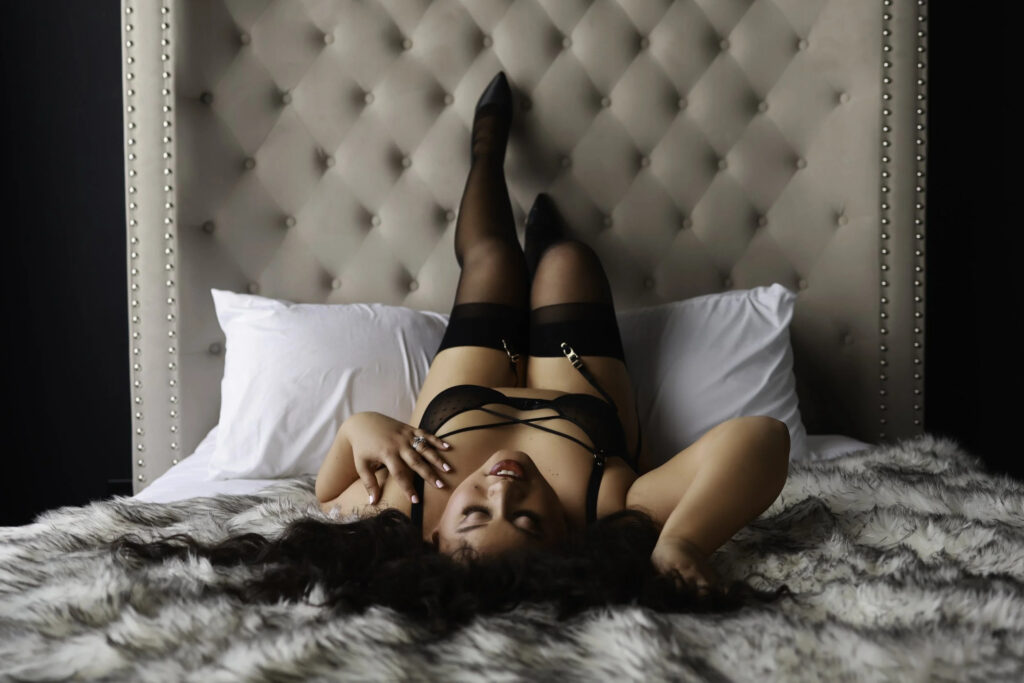
The search for the best boudoir photographers often begins with excitement and quickly turns into uncertainty. Online portfolios are filled with polished images—soft lighting, confident poses, flawless retouching. Yet behind those images lies a process that can feel vulnerable, especially for clients who have never experienced professional boudoir photography before.
From years of working within portrait and intimate photography environments, one truth consistently emerges: the difference between a good photographer and an exceptional one has very little to do with expensive cameras. It has everything to do with communication, emotional intelligence, lighting mastery, and ethical professionalism.
Boudoir is not just about aesthetics. It is about trust.
The Emotional Landscape of Boudoir Sessions
Many clients arrive feeling exposed before the session even begins. They may worry about body image, posing ability, or simply how they will appear in front of the lens. The most respected professionals understand that technical skill alone is insufficient.
Experienced boudoir artists invest time before the shoot:
- Pre-session consultations
- Wardrobe guidance
- Clear expectation setting
- Honest discussions about comfort levels
Without this preparation, sessions can feel rushed or awkward. The best outcomes occur when clients feel safe, informed, and heard.
In professional boudoir photography, psychological safety is as critical as lighting ratios.
Technical Mastery Beyond the Portfolio
The polished images on a website often conceal the complexity behind them. Lighting for intimate portraits requires subtle control. Too much shadow can distort; too much brightness can flatten form.
Skilled photographers typically rely on:
- Soft directional light to sculpt shape
- Controlled highlights to accentuate texture
- Strategic posing to elongate lines
- Natural transitions between movement and stillness
Inexperienced photographers often over-pose or rely heavily on retouching to “fix” issues after the fact. Seasoned professionals shape the image during capture, reducing reliance on extreme editing.
Retouching, when done responsibly, enhances without altering identity. Excessive digital manipulation undermines authenticity.
Consent, Boundaries, and Professional Conduct
Among the best boudoir photographers, clear boundaries are non-negotiable. Written contracts outline image usage rights, privacy policies, and model releases. Clients should always understand how their photographs may—or may not—be shared.
Common professional standards include:
- Explicit permission for portfolio use
- Secure image storage practices
- Private viewing galleries
- Respectful studio environments
One red flag within the industry is pressure to share images publicly as part of discounted packages. Ethical professionals prioritize client autonomy over marketing convenience.
Studio Environment and Client Experience
The physical environment influences confidence. Clean, well-lit spaces with private changing areas communicate professionalism. Small details—robes, mirrors, temperature control—matter more than elaborate sets.
In real-world practice, sessions flow more naturally when photographers guide clients with simple, encouraging direction rather than complex technical language. Phrases like “shift your shoulder slightly” or “breathe slowly” are far more effective than rigid pose instructions.
The best boudoir photographers maintain a calm presence. Energy in the room directly affects expression on camera.
Common Client Misconceptions
Through years of observing sessions, several misunderstandings frequently arise:
1. “I Need to Lose Weight First”
Professional posing and lighting are designed to flatter diverse body types. Waiting for a “perfect” moment often delays meaningful experiences.
2. “I’m Not Photogenic”
Confidence is usually the missing ingredient—not physical traits. Skilled direction transforms posture and expression.
3. “More Lingerie Equals Better Photos”
In reality, simplicity often creates stronger imagery. A single well-fitted piece paired with natural movement can be more compelling than elaborate styling.
4. “Editing Will Fix Everything”
Heavy retouching can produce unnatural results. The goal is refinement, not transformation.
Evaluating Portfolios with a Critical Eye
When searching for the best boudoir photographers, clients should look beyond aesthetic appeal. Consider:
- Consistency across different body types
- Variety in poses and expressions
- Natural skin tones
- Subtle, not excessive, retouching
A strong portfolio demonstrates adaptability. If every model appears nearly identical in pose and styling, the photographer may lack creative range.
Professional boudoir photography should celebrate individuality, not replicate templates.
The Business Side: Pricing Transparency
Boudoir sessions often involve layered pricing structures—session fees, print packages, album upgrades, digital file costs. Reputable photographers explain pricing upfront, without hidden add-ons.
Clients should feel comfortable asking:
- What is included in the base session?
- How many edited images are delivered?
- Are digital files included?
- What is the turnaround time?
Transparency builds trust. Vague pricing often leads to dissatisfaction later.
The Role of Communication After the Shoot
The client experience does not end when the camera stops. Image selection appointments, album design consultations, and final delivery require thoughtful communication.
Timely responses, clear editing timelines, and secure delivery platforms reflect professionalism. Delays without explanation erode confidence.
In the strongest practices, photographers maintain ongoing dialogue, ensuring clients feel supported throughout the process.
Limitations and Realistic Expectations
Even the most experienced professional cannot manufacture genuine confidence. Boudoir photography captures emotion; it does not create it entirely.
Lighting can enhance features, posing can refine posture, and styling can elevate mood—but authenticity must come from within. Clients who approach sessions with openness typically experience more satisfying results.
It is also important to acknowledge that style preference varies. What one person considers tasteful, another may find too bold. Alignment between client vision and photographer style is essential.
Safety and Inclusivity Considerations
Modern boudoir work increasingly emphasizes inclusivity—across body types, ages, identities, and relationship statuses. True professionals create welcoming spaces free from judgment.
Clear policies regarding privacy, gender inclusivity, and respectful language demonstrate maturity within a studio’s culture.
Clients should never feel pressured to conform to a particular aesthetic or expression.
Conclusion
Choosing among the best boudoir photographers requires more than scanning social media highlights. Technical competence, ethical boundaries, emotional intelligence, and transparent business practices define true professionalism.
Professional boudoir photography, when approached responsibly, becomes an empowering experience rather than a superficial photoshoot. It is a collaboration built on trust, communication, and mutual respect.
The strongest photographers understand that their role extends beyond capturing images. They create environments where vulnerability is honored, individuality is respected, and authenticity is preserved.
In an industry shaped by both artistry and sensitivity, excellence is measured not just by the final photograph—but by how the client felt throughout the journey.
FAQs
1. How do I know if a boudoir photographer is truly professional?
Look for consistent portfolio quality, transparent pricing, clear contracts, and strong client reviews that mention comfort and communication—not just beautiful images.
2. Is professional boudoir photography only for certain body types?
No. Experienced photographers are trained to work with diverse body shapes, ages, and comfort levels using lighting and posing techniques that flatter naturally.
3. Will my images be shared publicly?
Reputable photographers require explicit written consent before sharing any images. Clients should always clarify privacy policies in advance.
4. How much retouching is typically done?
Professional editing usually includes color correction, minor skin refinement, and subtle adjustments. Excessive body reshaping is generally avoided in ethical practice.
5. What should I bring to a boudoir session?
Well-fitted lingerie or outfits you feel confident in, simple accessories, and any personal items that reflect your personality. Comfort and preparation matter more than quantity.
