Your feet carry you through approximately 110,000 miles in your lifetime. That’s enough distance to circle the Earth four times. When foot pain strikes, every step becomes a challenge. Custom orthotics in North York clinics offer solutions that go beyond temporary relief, addressing the root cause of your discomfort through precision-engineered foot support.
What Makes Custom Orthotics Different
Custom orthotics are medical devices designed specifically for your feet. Unlike store-bought insoles, these precision tools correct biomechanical imbalances unique to your body.
Think of your feet as the foundation of a building. A weak foundation causes cracks in the walls and ceilings above. Similarly, problems in your feet create a domino effect throughout your body. Your ankles compensate first. Then your knees adjust. Your hips shift. Your lower back strains. Eventually, even your neck feels the impact.
Custom foot orthotics restore proper alignment from the ground up. They’re crafted using 3D scanning technology that captures every curve, arch, and pressure point of your feet. This detailed mapping ensures your orthotics provide support exactly where you need it.
The process takes precision. A certified specialist analyzes how you walk, stand, and move. They examine your posture and identify any abnormal foot mechanics. This comprehensive assessment reveals issues you might not even know exist.
Common Foot Problems That Respond to Orthotic Treatment
Plantar fasciitis tops the list of conditions orthotics address effectively. This painful inflammation affects the tissue running along your foot’s bottom. Every morning step feels like walking on broken glass. Custom orthotics provide targeted arch support that reduces tension on the inflamed tissue.
Bunions develop when your big toe joint shifts out of alignment. The resulting bump grows increasingly painful over time. Orthotics slow this progression by redistributing pressure away from the affected joint. They restore natural foot mechanics, preventing further deterioration.
Flat feet eliminate your natural arch, forcing your entire foot to bear weight unevenly. This creates excessive strain on joints and ligaments. High arches cause the opposite problem—too much pressure concentrates on your heel and ball of foot. Both conditions benefit from custom support that balances weight distribution.
Heel spurs, Achilles tendinitis, and shin splints all stem from biomechanical problems orthotics correct. Athletes particularly benefit from this targeted intervention. Runners put tremendous stress on their joints with every stride. Proper foot alignment reduces impact forces, decreasing injury risk while improving performance.
Understanding the Custom Fitting Process
Creating effective orthotics in North York starts with a thorough biomechanical examination. Your specialist evaluates your lower extremities, checking for alignment issues, muscle imbalances, and joint restrictions.
Gait analysis follows. You walk across specialized equipment that measures pressure distribution and movement patterns. This dynamic assessment reveals how your feet function during actual movement, not just when standing still.
The measurement phase uses advanced 3D scanning technology. Some clinics employ foam box casting, where you step into a special foam that creates a detailed mold. Others use computerized imaging systems that capture your foot’s exact contours digitally.
Your lifestyle matters in the design phase. A marathon runner needs different support than someone who stands at a cashier all day. Your specialist considers your activity level, body mass, typical footwear, and specific pain points. They select materials based on these factors—softer compounds for sensitive feet, firmer materials for athletic performance.
Manufacturing takes one to two weeks at certified laboratories. Skilled technicians craft your orthotics following precise specifications. The result is a device that fits your feet as uniquely as your fingerprint.
Real Benefits You Can Expect
Pain relief often happens within the first few weeks. Your body needs time to adapt to proper alignment. Initially, you might experience mild discomfort as muscles and joints adjust to their correct positions. This passes as your biomechanics normalize.
The long-term advantages extend beyond comfort. Orthotics prevent conditions from worsening. They help you avoid surgical interventions down the road. Many people discover they can return to activities they’d abandoned due to pain.
Your overall posture improves. Better foot alignment creates positive changes throughout your skeletal system. Energy levels often increase because your body expends less effort compensating for poor mechanics.
Athletes notice enhanced performance. Proper foot support allows more efficient movement patterns. Your muscles work as intended rather than struggling to stabilize unstable foundations.
Orthotics Versus Store-Bought Insoles
Generic insoles add cushioning. Custom orthotics create correction. That difference matters if you want lasting results.
Store-bought options are one-size-fits-all. They can help mild, short-term discomfort. For chronic pain or biomechanical issues, they fall short. They can’t address your specific structure because they weren’t made for your feet. That’s why clinics offering Orthotics in North York focus on assessment first, not guesswork.
Custom devices solve multiple issues at once. They control pronation, support the arch, and redistribute pressure where you need it most. This layered approach delivers results generic products simply can’t.
Durability is another big gap. Well-made custom orthotics last for years with proper care. Generic insoles break down in months, leading to repeat purchases that cost more over time without fixing the root problem.
Who Benefits Most from Custom Foot Support
Anyone experiencing chronic foot, ankle, knee, hip, or lower back pain should consider custom orthotics. People who stand or walk extensively for work often develop problems that orthotics prevent or resolve.
Diabetic patients need proper foot care to avoid serious complications. Custom orthotics paired with appropriate footwear protect against ulcers and other issues that threaten diabetic foot health.
Pregnant women experience significant changes in weight distribution and ligament laxity. Custom support accommodates these changes, providing relief during and after pregnancy.
Seniors benefit from improved stability and balance. Age-related changes affect foot structure and function. Custom orthotics address these shifts, reducing fall risk while maintaining mobility.
Children with developmental foot issues achieve better outcomes when problems are addressed early. Custom support guides growing feet into proper alignment, preventing complications in adulthood.
Investment and Coverage
Custom orthotics typically cost between $500 and $600. This represents a substantial investment in your health. Most extended health plans provide partial or complete coverage when orthotics are medically necessary.
Coverage requirements vary by insurer. Many require prescriptions from specific healthcare providers—certified pedorthists, chiropodists, podiatrists, physiotherapists, or chiropractors. Check your plan’s stipulations before your assessment.
You’ll need documentation including your gait assessment, biomechanical examination results, and fabrication details. Your clinic provides these materials for submission.
Consider the long-term value. Custom orthotics prevent worsening conditions that might eventually require expensive treatments or surgery. They improve your quality of life daily. The investment pays dividends in comfort, mobility, and health preservation.
Making Custom Orthotics Work for You
Wear your orthotics consistently for best results. When you wear them, they correct your biomechanics. When you don’t, the problems persist. Consistent use allows your body to adapt and heal.
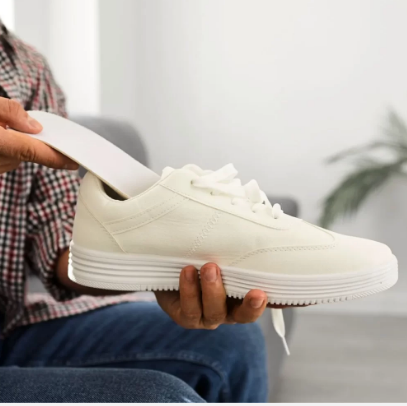
You can move your orthotics between different shoes. This flexibility means you maintain proper support throughout your day regardless of footwear.
Follow-up appointments ensure optimal function. Your specialist makes adjustments as needed, fine-tuning your orthotics for perfect comfort and correction.
Your feet change over time due to weight fluctuations, pregnancy, hormonal shifts, aging, and injuries. Regular checks verify your orthotics continue meeting your needs. Updates or replacements maintain effectiveness as your feet evolve.
Taking Your Next Steps Toward Pain-Free Movement
Foot pain doesn’t have to control your life. Custom orthotics in Toronto and surrounding areas provide professional solutions backed by advanced technology and expert care. HealthOne offers comprehensive assessments using 3D scanning and gait analysis technology, ensuring precision fitting that addresses your specific needs.
Your feet deserve professional attention. Don’t settle for temporary fixes when lasting solutions exist. Visit us to discover how custom orthotics can transform your daily comfort and long-term foot health.
Frequently Asked Questions
How long do custom orthotics last?
Quality custom orthotics typically last three to five years with proper care. Your usage patterns, body weight changes, and activity level affect longevity. Regular checks help determine when replacement becomes necessary.
Will orthotics make my feet weaker?
No. This common myth lacks scientific basis. Orthotics provide necessary support without weakening foot muscles. They work like prescription glasses correcting problems without causing dependency.
Can I wear orthotics in all my shoes?
You can transfer orthotics between shoes with similar structures. Athletic shoes, dress shoes, and casual footwear accommodate most custom devices. Very narrow dress shoes or sandals may require separate pairs designed specifically for those styles.
How soon will I feel pain relief?
Many people notice improvement within two to three weeks. Your body needs time to adjust to proper alignment. Initial mild discomfort during the adaptation period is normal and temporary.
Does cover custom orthotics?
Most extended health plans provide coverage when orthotics are medically necessary. Coverage percentages vary by insurer. Requirements typically include assessments by qualified healthcare professionals and proper documentation of medical necessity.
