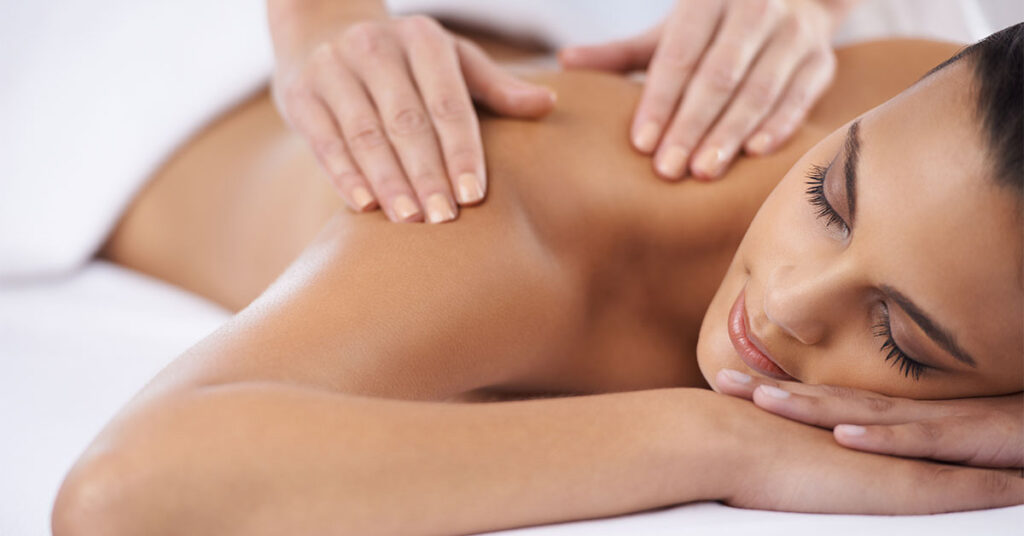
Anxiety and mood swings affect many individuals due to stress, work pressure, and lifestyle habits. Emotional instability can reduce productivity, disrupt sleep, and affect relationships. Many people seek the expertise of a Sports Massage Therapist to manage daily stress and emotional challenges. Massage therapy, while traditionally associated with physical relaxation, also demonstrates rapid effects on mood and anxiety. Scientific research suggests massage can quickly lower stress levels, improve neurotransmitter balance, and provide immediate mental clarity, making it a natural and effective method for emotional relief.
How Anxiety and Mood Swings Affect Daily Life
Anxiety and mood swings trigger both mental and physical responses. Common symptoms include irritability, restlessness, fatigue, and difficulty concentrating. Emotional instability often affects work performance, decision-making, and social interactions. Sleep disruptions may worsen irritability, while prolonged stress can contribute to muscle tension, headaches, and reduced immunity. Recognizing the impact of these fluctuations is essential, as untreated anxiety and emotional instability may escalate into long-term health challenges. Massage therapy offers a practical intervention to help restore balance and reduce the effects of emotional turbulence.
The Science Behind Massage and Emotional Relief
Massage activates the parasympathetic nervous system, which lowers cortisol levels, reducing stress. Simultaneously, it stimulates serotonin and dopamine production, improving mood and mental clarity. Physical relaxation achieved through massage supports psychological calmness, reducing racing thoughts and emotional tension. Techniques such as Swedish, deep tissue, and aromatherapy massage target muscle tightness and promote mental relaxation. Research demonstrates that consistent sessions reinforce emotional stability, providing both immediate and long-term benefits. By combining physiological relaxation with improved neurotransmitter activity, massage helps individuals regain control over emotional responses.
Types of Massage That Target Anxiety and Mood Swings
- Swedish Massage: Uses gentle, flowing strokes to relax muscles, reduce stress, and promote calmness.
- Deep Tissue Massage: Applies focused pressure to relieve stubborn knots, releasing tension tied to anxiety.
- Aromatherapy Massage: Combines essential oils with massage to enhance mood and induce relaxation.
- Reflexology: Targets specific points in hands and feet to influence emotional stability and mental balance.
Each massage type supports both physical and emotional relaxation, allowing the body and mind to release tension simultaneously, contributing to faster relief from anxiety and mood swings.
Key Benefits of Massage for Fast Relief
- Reduces cortisol levels, lowering stress and tension rapidly.
- Increases serotonin and dopamine production for mood elevation.
- Improves blood circulation, enhancing overall relaxation and energy flow.
- Releases muscular tension connected to emotional stress.
- Promotes restful sleep, indirectly reducing anxiety and irritability.
- Delivers immediate calm and emotional grounding, often noticeable in a single session.
- Supports mental clarity, focus, and emotional balance, complementing daily routines and wellness practices.
Frequency and Duration for Best Results
For effective emotional relief, 1–2 massage sessions per week are recommended, depending on stress levels. Session durations range from 30 to 90 minutes, allowing adequate relaxation and tension release. Consistency ensures cumulative benefits, supporting emotional balance over time. Combining massage with lifestyle habits such as physical activity, sufficient sleep, and balanced nutrition enhances results. Individuals may find that integrating regular sessions into their wellness routine leads to more sustainable mood regulation and improved response to stress, creating long-term emotional resilience.
Massage as Part of a Holistic Approach
Massage works best when combined with complementary practices like mindfulness, meditation, and regular exercise. Proper nutrition and adequate sleep further enhance emotional balance. While massage provides rapid relief, integrating these habits supports long-term mental and physical health. A holistic approach ensures that immediate reductions in anxiety and mood swings are maintained. Combining therapies promotes mental clarity, stabilizes mood, and improves energy levels, making it a sustainable solution for individuals seeking both quick relief and ongoing emotional stability.
Conclusion
Massage therapy offers a natural, fast-acting method to manage anxiety and mood swings. Working with a skilled Sports Massage Therapist ensures targeted relief and safety. Integrating massage into a holistic wellness routine delivers both immediate emotional comfort and long-term stability. Regular sessions, combined with mindful practices and healthy lifestyle choices, provide an effective approach to managing daily stress. Individuals can benefit from faster recovery from emotional tension, improved focus, and better overall well-being, positioning massage as a valuable tool for mental and emotional health.
FAQs
1. How quickly does massage reduce anxiety and mood swings?
Most individuals notice emotional relief after one session, as massage lowers cortisol and stimulates serotonin and dopamine production.
2. Which massage type is best for mood improvement?
Swedish and aromatherapy massages are ideal for reducing stress and uplifting mood, while deep tissue addresses physical tension contributing to anxiety.
3. How long should massage sessions last for emotional benefits?
Sessions typically range from 30 to 90 minutes. Longer sessions allow deeper relaxation and enhanced stress relief.
4. Can massage replace other anxiety treatments?
Massage complements practices like meditation, exercise, and therapy, but is most effective as part of a holistic approach rather than a stand-alone treatment.
5. How often should someone get massages for best results?
Regular weekly or bi-weekly sessions are recommended for sustained mood balance and ongoing stress reduction.
