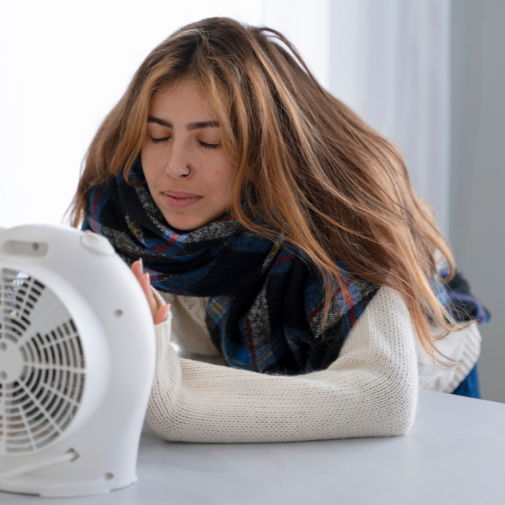
It is a cold morning, and your furnace fan is running, but your home still feels uncomfortable. You hear air moving through the vents, yet the rooms stay cold and uninviting. This problem shows up a lot during winter and often leaves homeowners confused and annoyed. When a heater fan is running but does not bring warmth, it is a sign that something is not working as it should.
This situation is more common than people think, and it does not always mean the whole system is broken. Many homeowners deal with a furnace not heating properly when temperatures drop, and the system works harder. Sometimes the issue builds up slowly, and other times it happens all at once. Air movement and system cleanliness can quietly affect how heat travels through your home.
In this blog, you will learn what it means when a furnace fan runs without heat and why this problem shows up in many homes. We will cover common reasons like thermostat settings, dirty air filters, and ignition issues in a clear, simple way. You will also read about easy checks to try before repairs and how airflow plays a role in comfort. By the end, you will know when to call a professional and how to avoid fan-on but no heat problems later.
Meaning Of A Furnace Fan Running Without Heat
When a furnace runs, the fan and heating parts have different jobs inside the system. The fan moves air through the ducts while another section creates heat. Because of this, a furnace fan running with no heat can happen even though air is coming out of the vents. Air movement alone does not always mean warm air is being made, especially during cold weather when systems work harder.
This often feels like the home is getting airflow but never warming up. Many homeowners describe it as the fan running, but the furnace is cold even though the unit sounds normal. Power may still reach the fan while heat production stops in the background. Airflow limits inside the system can also keep warmth from spreading through the house properly.
Common Causes Of No Heat With Furnace Fan On
When your furnace fan is on, but no heat comes through the vents, it usually means something inside the system is not working as expected. There are several common reasons this happens, and the sections below explain what causes this problem and why it matters.
1. Thermostat Settings Or Programming Issues
Thermostat settings are a common reason a furnace fan runs without heat, even when the system seems to be on. A thermostat not heating issue can happen if the mode is set wrong, the schedule is off, or the batteries are weak. Sometimes the fan is set to run all the time while the heat stays off. This kind of furnace thermostat problem is often easy to fix. Homeowners should check the mode, raise the temperature, replace batteries, and make sure the fan setting is not forcing air without heat.
2. Dirty Or Clogged Air Filter
A dirty furnace filter is often overlooked, but it can quickly stop heat from reaching your home. When the filter fills with dust and debris, airflow becomes restricted, and heat builds up inside the system. To protect itself, the furnace may shut off heating while the fan keeps running. This is why a clogged air filter furnace problem can feel confusing at first. Many homeowners forget to check the filter during colder months, even though it plays a big role in keeping air moving and heat flowing the right way.
3. Pilot Light Or Ignition Problems
Pilot light or ignition trouble can stop the heat even though the fan keeps running. Older furnaces use a small pilot flame, and if it goes out, the burners never turn on. This is why a furnace pilot light that won’t stay lit can lead to cold air. Newer systems use electronic igniters that can wear out or fail over time. Common signs include clicking sounds, no flame, or brief warm air that quickly turns cold. These furnace ignition problems usually point to the burner not lighting at all.
4. Overheating And Safety Shutoff
Overheating happens when air cannot move freely through the system, often due to blocked vents or poor airflow inside the unit. When this occurs, the furnace safety switch steps in and shuts off the heat to stop damage. Even after the heat stops, the fan keeps running to cool things down. This is why furnace overheating often feels like cold air blowing from the vents. The system is protecting itself by pushing out heat instead of making more, which leaves the house feeling chilly.
5. Gas Supply Or Valve Issues
Gas supply or valve issues can stop the heat even though the fan still runs. Homeowners may notice clicking sounds, no flame, or other gas appliances not working, which points to a furnace gas supply problem. Sometimes the furnace gas valve is stuck or does not open at all. If there is no warmth after several tries, or if you smell gas, it is time to stop using the system. Call a trained professional right away since gas problems are not safe to handle on your own.
Quick Checks Before Calling For Repairs
Before calling a professional, there are a few simple things you can check to see if your furnace can be fixed quickly. These furnace troubleshooting tips and furnace quick fixes often solve common problems where the fan runs, but no heat comes out. Keep reading to find out the quick checks you can do at home.
- Thermostat Settings: Make sure the thermostat is set to “HEAT” and the fan is on “AUTO.” Raise the temperature a few degrees above the current room level to trigger the heating cycle. Replace batteries if the unit is battery-powered.
- Air Filter Check: Inspect your main and secondary filters. A clogged or dirty furnace filter blocks airflow, causing the system to overheat and blow cold air. Replace it if it looks dark or dusty.
- Power and Breakers: Confirm the furnace switch near the unit is ON. Check the breaker panel for any tripped switches labeled “Furnace” or “HVAC” and reset if needed. Ensure the access panel is fully closed.
- Vents and Registers: Walk through your home and make sure nothing blocks the supply or return vents. Furniture, rugs, or curtains can restrict airflow and affect heating performance.
- Fuel and External Checks: If you have a gas furnace, verify the gas valve is open and that other gas appliances are working. Check outdoor intake and exhaust vents for snow, ice, or debris that may block airflow.
Airflow Issues That Affect Furnace Heat
Airflow problems are a common reason your furnace is not heating evenly. When air cannot move freely through the system, the heat stays trapped, and the fan works harder. Keep reading to learn about common poor furnace airflow issues and how they affect your comfort.
- Dirty Air Filters: Clogged filters block return air from reaching the furnace, which causes the system to overheat. The blower fan keeps running, but cannot push enough warm air through the vents. Replacing filters regularly helps maintain proper airflow and consistent heating.
- Blocked Vents: Furniture, rugs, or curtains covering supply or return vents stop warm air from circulating properly. This creates cold spots in your home and forces the furnace to work harder. Clearing vents allows heat to flow evenly and improves overall comfort.
- Clogged Blower Wheel: Dust and debris build up on the blower blades over time, reducing their ability to move air through the ducts. This makes the fan work harder while the heat output drops. Cleaning or inspecting the blower wheel can restore proper airflow.
- Leaky Ducts: Holes, gaps, or loose joints in ductwork allow warm air to escape before reaching your living areas. This reduces the overall efficiency of the system and can cause uneven heating. Sealing duct leaks keeps more heat where it belongs.
- Collapsed or Small Ducts: Flexible ducts can kink, collapse, or detach, while ducts that are too small restrict airflow. This slows heating and leaves distant rooms cold. Properly sized and unobstructed ducts help the furnace distribute heat evenly.
Signs You Need A Professional HVAC Technician
Sometimes, a simple reset or filter change is not enough. Certain warning signs mean it is time to call a professional. If you notice any of the issues below, contact a HVAC technician near me or schedule a furnace repair service immediately to avoid safety risks and further damage.
- Gas or CO Risks: A strong smell of gas or a triggered carbon monoxide alarm is an emergency. Do not try to fix it yourself, as it can be deadly. Evacuate the house and call a licensed technician immediately for safe handling.
- Strange Noises: Loud bangs, screeches, or constant clicking often point to ignition failures, motor issues, or blower problems. These noises mean the furnace is struggling to work properly. Only a professional can safely inspect and repair these mechanical parts.
- No Heat After Checks: If the fan is running but there is still no heat after checking filters, thermostat, and breakers, internal components may have failed. This could be the igniter, gas valve, or control board. A professional has the tools and knowledge to diagnose and fix the problem.
- Flame or Rust Issues: Yellow flames, flickering fire, rust on the furnace, or water leaks indicate combustion or venting problems. These issues can be dangerous to handle alone. A certified HVAC technician can inspect and repair these hazards safely.
- Performance Drops: Sudden spikes in energy bills or uneven heating across rooms suggest airflow, duct, or motor problems. The furnace may be overworking or losing efficiency. A professional will check airflow, filters, and system performance to restore comfort and save energy.
Tips For Preventing “Fan On But No Heat” Issues
Even simple habits can help your furnace run smoothly and avoid situations where the heater fan is running, but no heat is produced. By following easy routines, you can save money, extend the life of your system, and keep your home warm. Keep reading for some practical furnace maintenance tips that help prevent common problems and prevent furnace issues before they become serious.
- Regular Checkups: Schedule annual or biannual professional inspections to make sure all components are working properly. A technician can spot small issues before they turn into major breakdowns. This helps your furnace run safely and efficiently all winter.
- Change Air Filters: Replace your air filter every 1–3 months, depending on usage and pets. A clean filter improves airflow, reduces strain on the blower, and stops overheating that could shut off the heat. Regular filter changes also improve indoor air quality.
- Clear Vents: Make sure all supply and return vents are open and free from furniture, rugs, or curtains. Blocked vents can cause uneven heating, strain the system, and trigger safety shutoffs. Good airflow keeps your home comfortable.
- Monitor Thermostat: Keep your thermostat on AUTO and maintain a reasonable temperature setting. Avoid constant manual changes that can confuse the system or make it work harder. Simple thermostat habits help prevent unnecessary wear.
- Keep Area Clean: Dust around the furnace, remove debris near vents, and check the blower for buildup. A tidy system reduces mechanical stress, allows proper airflow, and keeps safety switches from triggering unnecessarily. Simple cleanliness prevents future problems.
Conclusion
Many homeowners experience the frustration of a furnace not heating even though the fan is running, but most causes are common and often easy to fix. You have learned how thermostat settings or programming issues can prevent your furnace from starting a heat cycle, how a dirty or clogged air filter can block airflow and trigger safety shutdowns, and how pilot light or ignition problems affect whether heat reaches your home. We also covered overheating and safety shutoff, gas supply or valve issues, and the importance of quick checks before calling for repairs. Understanding airflow issues and recognizing signs that you need a professional HVAC technician can prevent damage. Regular maintenance and keeping vents and filters clean help maintain comfort and reliability.
We at Custom Filters Direct understand how important clean air filters are for keeping your furnace running smoothly and your home comfortable. We are here to help you find the right filters for your system and answer any questions about maintenance or replacements. With our experience and knowledge, we make it simple to keep your furnace in top condition. You can reach us anytime at [email protected] or call 877-958-5612. We are happy to guide you toward better airflow, improved heating performance, and healthier indoor air for your home.
Frequently Asked Questions (FAQs)
Q1. How Often Should I Replace My Furnace Air Filter?
A. You should usually replace your furnace air filter every one to three months, but this can change depending on your home and lifestyle. Homes with pets, allergies, or lots of people may need new filters more often. During heavy heating or cooling times, filters can get dirty faster. A good way to check is to look at the filter or hold it up to the light. If it looks dark or blocks light, it is time for a new one. Clean filters help your furnace work better and keep the air fresh.
Q2. Why Does My Furnace Make Strange Noises Even If The Fan Works?
A. Your furnace can make strange noises even when the fan still works because some parts may be under stress or starting to wear out. Whistling often comes from air struggling to pass through a dirty filter or blocked vents. Squealing or grinding can point to motor parts that need attention. Banging sounds may happen when the system starts or when metal ducts move with temperature changes. If the noise is loud or keeps happening, it is a good idea to turn the system off and have it checked before a small issue turns into damage.
Q3. Can Blocked Vents Cause A Furnace To Run Without Heat?
A. Yes, blocked vents can cause a furnace to run without heat even though the fan is still on. When air cannot move freely, the system may shut off the heat to protect itself while the fan keeps running. This can happen when vents are covered by furniture, dirt, or snow outside the home. Over time, this can also lead to poor comfort and extra strain on the system. You should check that all vents are open and clear, and look at the air filter since a dirty filter can cause the same problem.
Q4. Does The Age Of My Furnace Affect Its Heating Performance?
A. Yes, the age of your furnace can affect how well it heats your home. As a system gets older, its parts slowly wear down, and it may not warm rooms as evenly as before. Older units often run longer to reach the set temperature and may struggle during colder days. You might also notice higher energy bills or more dust in the air. While regular care can help for a while, there comes a point when repairs no longer make sense and replacement becomes the better long-term choice.
Q5. How Do Humidity Levels Impact My Furnace Efficiency?
A. Humidity plays a big role in how hard your furnace works to keep your home comfortable. When indoor air is very dry, the heat does not stay around for long so you may feel colder even when the thermostat is set high. Air that is too damp can also slow airflow and place extra strain on the system. Keeping indoor humidity at a balanced level helps the heat feel more steady and allows the furnace to cycle less often. This can improve comfort, lower energy use, and reduce wear on furnace parts.
Q6. Can Pets Or Dust Buildup Cause My Furnace To Overheat?
A. Yes, pets and dust buildup can cause a furnace to overheat. Pet hair and dust get pulled into the system and can block airflow over time. When air cannot move freely, heat stays trapped inside, and the furnace may shut off to protect itself while the fan keeps running. You may notice short heating cycles or a warm, dusty smell. Checking and changing the air filter more often helps a lot in homes with pets. Keeping vents clear and cleaning around the furnace also helps prevent heat from building up.
Q7. Can A Faulty Blower Motor Cause The Furnace To Run Without Heating?
A. Yes, a faulty blower motor can cause the furnace to run without heat. When the motor is weak, it may not move enough air to carry heat through the system. This can make the furnace shut off the heat for safety while the fan keeps blowing cool air. You might notice weak airflow, odd noises, or a warm electrical smell. A dirty air filter can make this problem worse by forcing the motor to work harder. If the issue continues, it is best to have a professional take a look.
