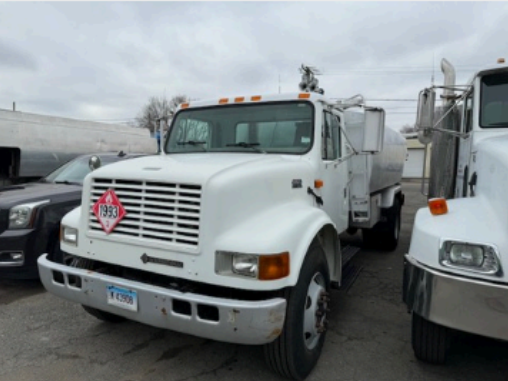
Bristol winters are serious. Temperatures regularly drop below 23°F, and a cold snap can drain your oil tank faster than you expect. If you rely on heating oil delivery in Bristol CT, understanding how the system works pricing, tank levels, delivery options, and what happens when things go wrong can save you money and real stress this season.
Most homeowners only think about oil when the heat stops working. By then, your options narrow fast and your costs go up.
This guide gives you everything you need to stay ahead of the problem.
Why Bristol Homes Depend So Heavily on Heating Oil
Bristol is one of the highest heating oil consuming towns in the entire country. Out of 29,620 towns across America, Bristol ranks 13th for residential heating oil consumption. Out of 269 towns in Connecticut alone, Bristol ranks 4th.
That is not a coincidence. Bristol sits in Hartford County, 20 miles southwest of Hartford, and its winters are genuinely cold. Last heating season, the average outdoor temperature in Bristol was 29°F nearly 5 degrees colder than the season before. That single-degree shift has a direct impact on how fast your tank empties.
Right now, 9,051 Bristol households heat their homes with oil. That is 37% of all homes in the city. With that much demand concentrated in one area, delivery fill up fast when temperatures drop hard.
How Much Heating Oil Does a Bristol Home Actually Use?
Your daily oil consumption depends almost entirely on how cold it gets outside. On a mild 50°F day, your furnace burns roughly 2 gallons. Drop that to 15°F, and you are burning 7 to 8 gallons in a single day.
Bristol’s winters regularly push into the low 20s. At that temperature range, a typical home burns around 5 gallons per day. A standard 275-gallon tank, at that rate, lasts about 52 days less than two months.
Five factors drive your specific usage number. Your heating system’s age and efficiency matter most. An older furnace burns significantly more oil than a modern high-efficiency unit. Home size, insulation quality, how warm you keep the thermostat, and how many people live in the house all add up. Homes with more residents use more hot water, and hot water heaters running on oil add another 0.5 to 1 gallon of consumption per day on top of your space heating.
Knowing your consumption pattern helps you order smarter and avoid the worst outcome running out mid-winter.
What Actually Happens When Your Tank Runs Dry
This is the part most homeowners learn the hard way.
When your furnace runs out of oil, it shuts off automatically. The safety system cuts the burner before damage occurs. So no, you will not destroy your furnace by running it empty. But the problems that follow are still costly and inconvenient.
Sediment collects at the bottom of every oil tank over time. When the tank runs very low, that sediment gets pulled into the fuel line. It clogs filters and strains burner components. After refilling, a technician usually needs to bleed the air out of the fuel line before the system restarts. This is extra labor, extra cost, and extra time without heat.
In Bristol’s cold winters, the risk goes further. A home without heat for even a few hours when temperatures are below freezing puts your pipes at risk. Frozen pipes expand, crack, and burst. Water damage from a burst pipe costs far more than any oil delivery ever would.
The rule every local supplier and heating professional agrees on: order when your tank reaches 25% full. Do not wait for the gauge to hit empty.
Automatic Delivery vs. Will-Call: Which One Works for You?
When it comes to heating oil in Bristol CT, you have two primary delivery choices. Understanding the difference helps you pick the one that matches your situation.
Automatic delivery means your supplier tracks your usage using weather data and past consumption history. They schedule a delivery before your tank runs low without you needing to do anything. It removes the risk of forgetting. It removes the stress of monitoring. But it comes at a cost. Automatic delivery customers typically pay 40 to 50 cents more per gallon than will-call customers. Over a full season using 880 gallons, that is roughly $350 to $440 in extra spending for the same oil.
Will-call, or COD delivery, puts you in charge. You check your tank gauge regularly, place an order when you approach a quarter tank, and pay on delivery. The per-gallon price is lower. But the responsibility is yours. If you travel frequently, get busy, or simply forget, will-call carries real risk especially during a Bristol cold snap when delivery windows tighten.
There is no universal right answer. Match your choice to your lifestyle and how closely you can monitor your tank.
How to Read Your Oil Tank Gauge
Your oil tank gauge is usually a small glass tube or float indicator on top of the tank, often located in the basement. Read it the same way you read a car’s fuel gauge. When it reads ¼ or below, call for a delivery immediately.
Do not trust the gauge alone during extreme cold. Usage spikes sharply when temperatures fall. A tank that looked fine on Monday can hit critical levels by Thursday if a storm rolls in.
What to Confirm Before Choosing a Heating Oil Supplier in Bristol CT
Every dealer operating in Connecticut must be registered with the Department of Consumer Protection. Before you place an order or sign anything, verify the dealer’s license at ct.gov/dcp/verify. This protects you from unregistered operators and gives you legal recourse if something goes wrong.
Beyond licensing, look for daily-updated transparent pricing with no hidden delivery fees. Same-day or next-day availability matters not just convenience, but security when temperatures drop fast. A 100-gallon minimum order is standard practice across Bristol-area suppliers. Budget plans that spread payment across the year help you avoid one large bill in the middle of January when cash is already stretched.
Stay Warm Before the Rush Hits
Bristol winters do not give much warning. Prices rise when demand peaks, delivery windows shrink during storms, and a tank running low at the wrong moment becomes an emergency fast. The homeowners who pay the least and stress the least are the ones who plan ahead not the ones who react.
For reliable heating oil delivery in Bristol CT with transparent daily pricing and same-day options when available, Tudor Energy LLC serves Bristol and nearby towns including Avon, Farmington, and Canton. No contracts, no hidden fees, and online ordering available around the clock.
FAQs
How often do Bristol CT homeowners need a heating oil delivery?
A standard 275-gallon tank lasts about 52 days during an average Bristol winter. Most homes need two to three deliveries per heating season.
What is the minimum order for heating oil delivery in Bristol CT?
Most suppliers in Bristol require a 100-gallon minimum per delivery.
Is automatic delivery more expensive than will-call in CT?
Yes. Automatic delivery typically costs 40 to 50 cents more per gallon. Over a full season, that adds up to $350 to $440 extra for the average home.
What should I do if my furnace stops working after running out of oil?
Refill your tank, then press the reset button on your furnace. If it does not restart, call a technician to bleed the fuel line. Do not keep pressing reset repeatedly.
How do I verify a heating oil dealer is licensed in Connecticut?
Visit ct.gov/dcp/verify or call 860-713-6160 to confirm registration with the Connecticut Department of Consumer Protection.
