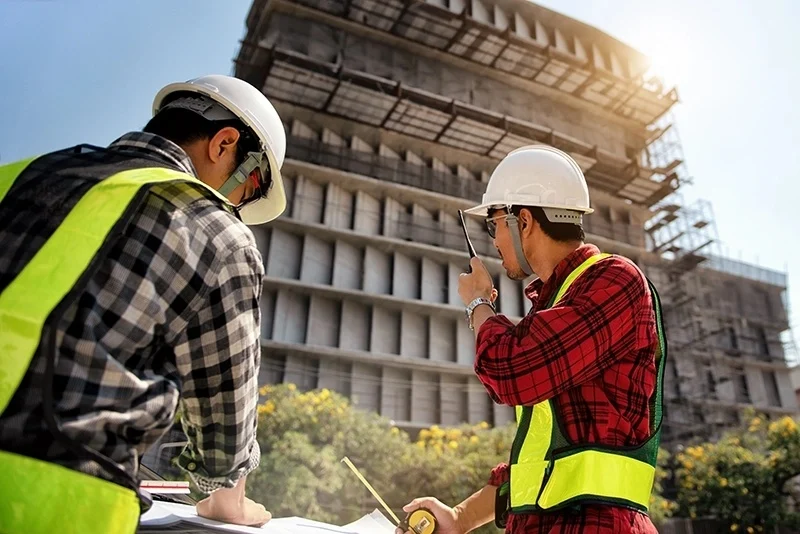
A building inspection ensures that a property is safe, structurally sound, and compliant with all regulations. ICC Certified Building Inspector evaluates each component of a property to identify potential hazards, defects, or maintenance issues. These inspections help buyers, sellers, and property owners make informed decisions, prevent costly repairs, and maintain long-term durability. Understanding the building assessment process provides confidence in property transactions and ensures investments are protected. Professional inspections are a crucial step in safeguarding both property and occupants.
The Role of a Building Inspector
A building inspector is a trained professional who evaluates residential, commercial, or industrial properties. Their primary goal is to identify structural defects, safety hazards, and code violations. Inspectors follow standardized guidelines and local building codes, ensuring the property meets required benchmarks. Their expertise helps prevent future problems, guides repair priorities, and ensures compliance with legal standards. Property owners rely on inspectors to provide detailed reports, making maintenance and renovations more predictable. A certified inspection improves confidence in property transactions and reduces financial risks.
Key Areas Evaluated During a Building Inspection
Building inspections cover multiple components to assess safety and quality. Structural integrity, including foundation, walls, and roof, is examined first. Electrical systems and wiring are evaluated for safety and compliance. Plumbing systems are checked for leaks, water pressure, and drainage. HVAC systems, including heating, ventilation, and air conditioning, are tested for efficiency. Inspectors also examine insulation, ventilation, doors, windows, interior finishes, and exterior features such as drainage and landscaping. Each area is crucial to understanding the building’s overall condition and identifying potential risks that could affect occupants or property value.
Assessment of Structural Integrity
Structural integrity is the most critical aspect of building quality. Inspectors examine foundations for cracks, uneven settling, or moisture intrusion. Walls and ceilings are assessed for signs of stress, including bulges or fissures. Roof structures are checked for sagging, leaks, or damaged materials. Any structural weakness can compromise safety, leading to potential hazards or costly repairs. Inspectors also evaluate framing, beams, and load-bearing walls to confirm stability. Identifying structural issues early helps property owners address problems promptly, ensuring longevity, safety, and long-term durability of the building.
Evaluation of Electrical Systems
Electrical systems are vital for safety and functionality. Inspectors review wiring, outlets, switches, and panels for proper installation and compliance with local codes. Proper grounding and circuit protection are checked to reduce fire risks. Inspectors identify signs of wear, corrosion, or outdated systems that could lead to hazards. Testing ensures all components are functional and safe for daily use. Faulty electrical systems can cause fires or operational failures. A detailed assessment ensures the property meets safety standards and avoids future costs associated with electrical failures or renovations.
Inspection of Plumbing Systems
Plumbing inspections assess water supply, drainage, and leak prevention. Inspectors check pipes, fixtures, water heaters, and sewer connections for leaks or corrosion. Water pressure and drainage efficiency are tested to confirm optimal performance. Poor plumbing can result in water damage, mold growth, and structural deterioration. Early detection prevents major repairs and enhances property longevity. Inspectors also look for outdated materials or improper installations. Comprehensive plumbing assessments ensure the building provides safe water usage, prevents damage, and maintains hygiene standards, protecting both occupants and structural integrity.
HVAC System Analysis
Heating, ventilation, and air conditioning systems are crucial for indoor comfort and air quality. Inspectors evaluate furnaces, air conditioners, ductwork, and ventilation systems for proper function. Filters, airflow, and thermostat operation are tested to ensure efficiency. Malfunctioning HVAC systems increase energy costs and can compromise indoor air quality. Inspectors identify worn components, leaks, or system inefficiencies. Proper maintenance recommendations are provided to extend system’s lifespan and improve performance. A functional HVAC system contributes to a healthier living environment and ensures energy-efficient operation, reducing long-term operating expenses.
Exterior and Interior Condition Review
Inspectors examine both the interior and exterior for visible and hidden issues. Exterior checks include siding, roofing, paint, gutters, and drainage systems. Proper drainage prevents water accumulation that could damage foundations. Interior inspections focus on walls, ceilings, floors, and finishes. Signs of moisture damage, mold, cracks, or poor workmanship are noted. These evaluations help identify maintenance priorities and potential structural concerns. Assessing both interior and exterior elements ensures the property’s overall quality, highlights areas requiring attention, and helps property owners maintain the building’s aesthetic and functional value.
Use of Modern Tools and Technology
Modern building inspections use advanced tools for precise evaluations. Thermal imaging cameras detect heat loss or moisture intrusion invisible to the naked eye. Moisture meters identify hidden dampness in walls or floors. Drones provide safe access to roofs and hard-to-reach areas, improving inspection efficiency. These technologies reduce human error and increase accuracy in detecting structural, electrical, or plumbing issues. Using modern tools enhances reporting quality, allowing inspectors to provide visual evidence of problems. Technology also improves safety for inspectors, ensuring a comprehensive, reliable assessment of building condition.
Compliance with Building Codes and Standards
Compliance with local building codes ensures safety, durability, and environmental responsibility. Inspectors compare building features against current standards, identifying outdated or non-compliant elements. Any violations are documented in the inspection report, guiding necessary repairs or upgrades. Meeting code requirements reduces liability risks and ensures legal safety for occupants. Property owners gain peace of mind knowing the building adheres to regulations. Compliance also supports property resale, as buyers prioritize code-compliant structures. Inspectors ensure the property meets industry standards, contributing to long-term reliability and reducing potential hazards.
Reporting and Recommendations
Inspection reports summarize all findings with detailed descriptions, photographs, and recommendations. Urgent concerns are highlighted for immediate attention. Reports guide repairs, maintenance, or upgrades, helping property owners prioritize actions. Clear documentation supports buyers and sellers in making informed decisions and negotiating property transactions. Reports also serve as a reference for future inspections, tracking maintenance over time. Professional reports improve transparency, reduce risk, and maintain property value. They provide actionable insights that ensure safety, efficiency, and long-term durability of the building.
Why Building Quality Assessment Matters
Regular building assessments protect investments, ensure safety, and extend property lifespan. Inspections identify hidden issues before they escalate into costly problems. They provide peace of mind to buyers and sellers, supporting informed decision-making. Proactive maintenance guided by inspection findings improves structural integrity, efficiency, and occupant comfort. Understanding building quality helps owners plan renovations, budget for repairs, and maintain compliance with regulations. Consistent inspections preserve property value and prevent unexpected hazards, making them an essential part of responsible property ownership and management.
Conclusion
A building inspector evaluates structural integrity, systems, and compliance standards to ensure safety, reliability, and functionality. Their work empowers property owners and buyers to make informed decisions, maintain quality, and protect investments. Through systematic inspections, modern tools, and detailed reporting, inspectors provide actionable insights that safeguard buildings and occupants. Understanding this assessment process is critical for maintaining safe, durable, and efficient properties while maximizing long-term value and ensuring peace of mind for all stakeholders.
FAQs
What areas does a building inspector check first?
Inspectors begin with structural elements like foundations, walls, and roofs to identify critical stability issues.
Are electrical and plumbing systems part of the inspection?
Yes, both systems are evaluated for safety, functionality, and code compliance.
How often should a building be inspected?
Professional inspections are recommended every 2–5 years, or before buying, selling, or renovating.
Do inspectors use advanced technology?
Yes, thermal cameras, moisture meters, and drones help detect hidden issues efficiently.
Can inspections affect property value?
Yes, detailed reports provide buyers and sellers with actionable insights, ensuring informed decisions and protecting investments.
