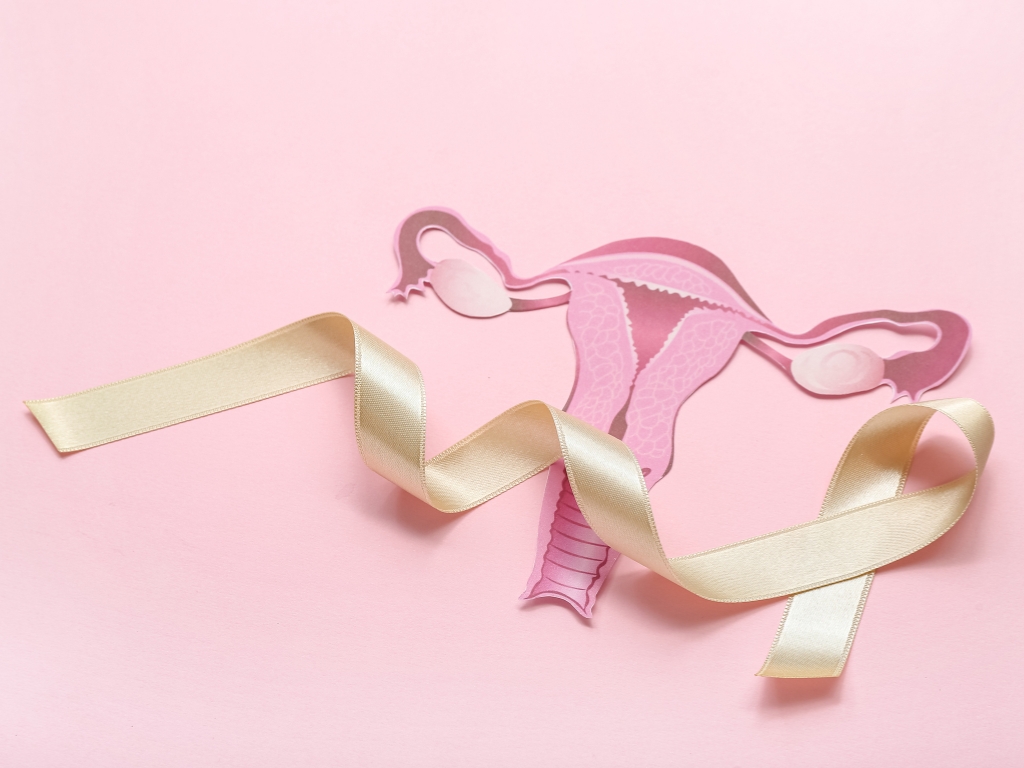
Understanding Uterine Fibroids
Uterine fibroids are noncancerous growths that develop within the muscular wall of the uterus. Also known as leiomyomas, these growths vary in size, number, and location. Some women may have a single small fibroid and experience no symptoms, while others may develop multiple large fibroids that significantly affect daily life. Fibroids are most common during the reproductive years and are influenced by hormonal factors, particularly estrogen and progesterone.
Although fibroids are benign, they can cause a range of uncomfortable symptoms. These may include heavy or prolonged menstrual bleeding, pelvic pain, pressure in the lower abdomen, frequent urination, constipation, and even fertility challenges in some cases. The severity of symptoms often depends on the size and position of the fibroids.
Traditional Treatment Options for Fibroids
For many years, treatment for fibroids often involved medication or surgery. Medications may help control symptoms temporarily but do not eliminate fibroids. In more severe cases, surgical procedures such as myomectomy (removal of fibroids) or hysterectomy (removal of the uterus) have been recommended.
While surgery can be effective, it also comes with potential risks, longer recovery times, and possible complications. Hysterectomy, in particular, permanently ends a woman’s ability to have children. As a result, many women seek alternatives that are less invasive and preserve the uterus. This is where non-surgical uterine artery embolization treatment has emerged as a highly effective option.
What Is Non-Surgical Uterine Artery Embolization Treatment?
Non-surgical uterine artery embolization treatment is a minimally invasive procedure designed to shrink fibroids by cutting off their blood supply. Fibroids rely heavily on blood flow from the uterine arteries to grow and survive. By blocking these blood vessels, the procedure causes fibroids to gradually shrink and symptoms to improve.
Unlike traditional surgery, this approach does not require large incisions or removal of the uterus. Instead, it is performed by an interventional radiologist using advanced imaging guidance. A small catheter is inserted through a tiny incision, usually in the groin or wrist, and guided into the uterine arteries. Tiny particles are then injected to block the blood flow to the fibroids.
Over time, the fibroids shrink due to lack of oxygen and nutrients, leading to significant symptom relief.
How the Procedure Works Step by Step
The process of non-surgical uterine artery embolization treatment begins with careful evaluation. Imaging studies such as ultrasound or MRI are used to determine the size, number, and location of fibroids. This helps ensure that the patient is a good candidate for the procedure.
On the day of treatment, the patient receives local anesthesia and mild sedation. A small incision is made to insert a catheter into a blood vessel. Using real-time X-ray imaging, the physician guides the catheter to the uterine arteries that supply blood to the fibroids.
Once in position, tiny embolic particles are released into the arteries. These particles block the blood flow specifically to the fibroids while preserving circulation to the surrounding healthy uterine tissue. The procedure usually takes about one to two hours.
After the treatment is completed, the catheter is removed, and a small bandage is applied. Most patients stay in the hospital for a short observation period and can return home the same day or the next day.
Benefits of a Minimally Invasive Approach
One of the main advantages of non-surgical uterine artery embolization treatment is that it avoids major surgery. There are no large incisions, and the uterus is preserved. This makes it an appealing option for women who wish to avoid hysterectomy or who are not ideal candidates for surgery due to other health conditions.
Recovery time is significantly shorter compared to traditional surgical procedures. Many women resume normal activities within one to two weeks. In contrast, surgical recovery can take several weeks or even months.
Additionally, the risk of complications is generally lower. Because the procedure is image-guided and minimally invasive, there is less blood loss and reduced risk of infection compared to open surgery.
Symptom Relief and Long-Term Results
Clinical studies and patient experiences have shown that non-surgical uterine artery embolization treatment provides substantial relief from fibroid-related symptoms. Heavy menstrual bleeding often decreases significantly within the first few cycles following the procedure. Pelvic pain and pressure also improve as the fibroids shrink.
Most women notice a reduction in fibroid size over several months. In many cases, fibroids shrink by 40 to 60 percent within six months. As they shrink, symptoms such as frequent urination or abdominal bloating also diminish.
Long-term outcomes are promising. A large percentage of women report sustained symptom improvement years after the procedure. While fibroids can potentially recur, the overall need for additional treatment is relatively low.
Preserving the Uterus and Fertility Considerations
For women who wish to maintain their uterus, non-surgical uterine artery embolization treatment offers a valuable alternative. Unlike hysterectomy, the uterus remains intact. This can be important for emotional, cultural, or personal reasons.
Fertility after the procedure is an area that should be discussed with a specialist. Some women have successfully conceived after embolization, but individual factors such as age, fibroid location, and overall reproductive health play a role. A detailed consultation with a healthcare provider helps determine whether this treatment aligns with a patient’s future pregnancy goals.
Who Is a Good Candidate?
Not every woman with fibroids is automatically a candidate for embolization. Ideal candidates are typically those who experience moderate to severe symptoms that interfere with daily life. Women who want to avoid surgery or who are at higher risk for surgical complications may also benefit.
However, certain conditions such as active pelvic infection, suspected uterine cancer, or severe contrast allergies may require alternative treatments. A thorough medical evaluation ensures safety and effectiveness.
Potential Side Effects and Recovery
After non-surgical uterine artery embolization treatment, some women experience mild to moderate discomfort known as post-embolization syndrome. Symptoms may include cramping, low-grade fever, nausea, and fatigue. These effects are usually temporary and managed with medications.
Most patients can return to light activities within a few days. Full recovery generally occurs within one to two weeks. Follow-up imaging is often scheduled to monitor fibroid shrinkage and confirm successful treatment.
Serious complications are rare but can include infection or unintended damage to nearby tissues. Choosing an experienced interventional radiologist significantly reduces these risks.
Comparing Embolization to Surgery
When comparing non-surgical uterine artery embolization treatment to surgical options, several differences stand out. Surgery physically removes fibroids or the uterus itself, while embolization shrinks fibroids by stopping their blood supply.
Embolization typically involves less pain, a shorter hospital stay, and faster recovery. It also avoids general anesthesia in many cases. However, surgery may be recommended for extremely large fibroids or when cancer is suspected.
Each patient’s situation is unique. A personalized consultation helps determine which approach offers the best balance of effectiveness and safety.
The Growing Popularity of Non-Surgical Solutions
As awareness increases, more women are exploring minimally invasive options for fibroid treatment. Non-surgical uterine artery embolization treatment has gained recognition for its effectiveness, safety profile, and uterus-preserving benefits.
Advancements in imaging technology and embolic materials have further improved outcomes. Today, many healthcare providers consider embolization a first-line treatment for symptomatic fibroids in appropriate candidates.
Women are increasingly empowered to ask questions, seek second opinions, and explore alternatives to traditional surgery. Access to information and specialized care plays a crucial role in making informed decisions.
Conclusion
Uterine fibroids can significantly impact a woman’s physical comfort, emotional well-being, and overall quality of life. While surgery has long been a standard solution, minimally invasive options are transforming the treatment landscape.
Non-surgical uterine artery embolization treatment offers an effective, uterus-preserving alternative for many women suffering from fibroid symptoms. By blocking the blood supply to fibroids, this procedure shrinks them naturally over time and relieves heavy bleeding, pelvic pain, and pressure.
With shorter recovery times, fewer complications, and long-lasting results, embolization continues to provide hope for women seeking relief without major surgery. Consulting with a qualified specialist can help determine whether this innovative approach is the right choice for managing uterine fibroids and restoring comfort and confidence.
