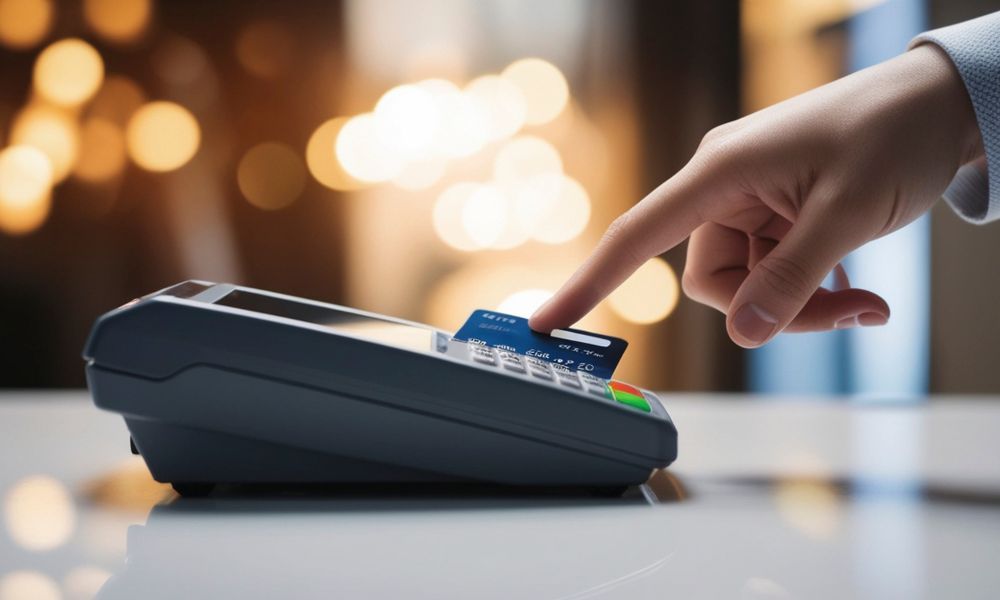
In the fast-paced world of restaurants, staying ahead of the competition requires adapting to new technology. As customers demand faster, more efficient services, restaurants need to have the tools that can keep up with their needs. One such tool is the PAX E700 POS Terminal. This advanced point-of-sale (POS) system is designed to make payments smoother, improve operational efficiency, and ultimately help restaurants offer better customer experiences.
POS terminals have evolved significantly over the years. From basic cash registers to sophisticated, Android-based systems, today’s terminals are more than just tools for processing payments. They play a vital role in streamlining many aspects of restaurant management, from order taking to inventory tracking and customer feedback. The PAX E700 is one such terminal that brings multiple benefits to restaurants, making it an ideal choice for many businesses in the food service industry.
Faster and More Secure Payment Processing
In any restaurant, the payment process can make or break the overall experience for a customer. The PAX E700 POS Terminal makes this process both quicker and safer.
The PAX E700 accepts a wide range of payment methods, including credit and debit cards, mobile wallets like Apple Pay, and QR code-based payments. By accepting multiple forms of payment, restaurants ensure that every customer can use their preferred method, enhancing satisfaction and speeding up the checkout process. When a restaurant operates at full capacity, reducing the time spent on payments can help improve customer flow and allow for more tables to be served in a shorter period.
Security is another crucial factor when it comes to payments. With built-in encryption and tokenization, the PAX E700 ensures that all cardholder information is protected, reducing the risk of fraud and data breaches. This kind of security is essential for restaurants that want to avoid costly security breaches while maintaining customer trust.
The terminal also supports contactless payments, which became more popular during the pandemic. This feature allows customers to simply tap their cards or smartphones to make payments, reducing physical contact and improving the overall speed of the transaction.
Streamlined Operations with Easy Integration
Efficiency is key in any restaurant environment. The PAX E700’s ability to integrate with existing restaurant POS software systems makes it a game changer. This seamless integration helps to streamline daily operations by automating various tasks such as order taking, payment processing, and inventory tracking.
For example, when an order is placed through the POS system, it can be immediately sent to the kitchen, ensuring that food is prepared without delays. Similarly, payment information is processed in real time, allowing servers to quickly close tabs, reducing the amount of time spent per customer and boosting overall table turnover.
In addition to improving efficiency in service, the PAX E700 also helps with inventory management. With integrated software, restaurants can track their stock levels and automatically adjust quantities as items are sold. This system ensures that inventory is managed accurately, reducing waste and ensuring that popular items are always available for customers.
Flexibility for Different Restaurant Setups
Restaurants come in all shapes and sizes, and each business has different needs. The PAX E700 POS terminal is designed to accommodate a variety of restaurant setups, offering both countertop and mobile functionality.
For quick-service restaurants, the PAX E700 can be used at a counter for fast, efficient transactions. For table-service restaurants, it can also be used as a mobile POS device, enabling servers to take orders and process payments directly at the table. This flexibility helps improve customer service by allowing for more personalized interactions and reducing wait times.
For businesses that operate in multiple locations, the PAX E700 can be connected to a centralized POS system. This enables restaurant owners to manage all their locations from a single dashboard, ensuring that sales, menu items, and inventory are synchronized across the business. This is especially useful for franchises or businesses looking to expand.
Analytics and Reporting to Drive Business Growth
One of the most valuable features of the PAX E700 is its ability to provide detailed analytics and reporting. In today’s data-driven world, understanding your restaurant’s performance is crucial for making informed business decisions.
With the PAX E700, restaurant managers can access real-time reports on daily sales, popular menu items, and even employee performance. This information helps owners and managers identify trends and make adjustments as needed. For example, if a certain dish is selling more than expected, the kitchen can prepare accordingly, or additional staff can be scheduled during peak hours to accommodate the increased demand.
Beyond daily sales, the terminal can also track customer payment preferences. This can help identify trends in payment methods, allowing restaurants to adjust payment options or marketing strategies. Understanding these insights can ultimately lead to better decision-making and improved profitability.
Cost Efficiency and Savings
While implementing a new POS system like the PAX E700 comes with an initial investment, the long-term savings it brings can quickly make up for the cost. With its ability to automate processes like inventory management, order taking, and payment reconciliation, the PAX E700 reduces the time spent on manual tasks, allowing restaurant staff to focus on delivering excellent service.
Additionally, the PAX E700 helps reduce the cost of payment processing. By supporting a wide range of payment options, including contactless and EMV transactions, the terminal can help businesses qualify for lower processing fees, especially when compared to traditional credit card machines. Over time, these savings can add up, making the terminal a cost-effective choice for many restaurants.
Scalability for Future Growth
As restaurants grow and expand, their needs evolve. The PAX E700 is built to scale with your business, offering a solution that can adapt as your restaurant grows. Whether you’re adding new locations, expanding your menu, or offering delivery services, the PAX E700 can keep up with your changing needs.
The terminal is future-proof as it runs on the Android operating system, which means it can receive software updates and support new features over time. Restaurants don’t have to worry about outdated technology limiting their ability to grow or take advantage of new innovations.
Improving Customer Experience
At the end of the day, every restaurant’s goal is to provide an outstanding experience for its guests. The PAX E700 contributes to this by offering fast, secure, and convenient payment processing. By reducing the time spent on transactions, customers can enjoy a smoother dining experience, which in turn can lead to higher customer satisfaction and repeat visits.
Furthermore, the ability to accept mobile wallets and contactless payments meets the needs of tech-savvy customers who prefer to pay with their smartphones or smartwatches. This level of convenience not only improves the customer experience but also helps businesses stay competitive in a rapidly changing market.
Conclusion
The PAX E700 POS terminal is an excellent solution for restaurants looking to improve their payment processing, streamline operations, and enhance customer service. With its fast payment capabilities, seamless integration with restaurant POS systems, and ability to provide valuable analytics, the PAX E700 offers a wide range of benefits that can help restaurants thrive.
Whether you’re a small café or a large restaurant chain, the PAX E700 is a smart investment that can drive efficiency, increase profitability, and improve the overall dining experience for your customers. By implementing this cutting-edge technology, restaurants can ensure they stay ahead of the curve in an increasingly competitive industry.
