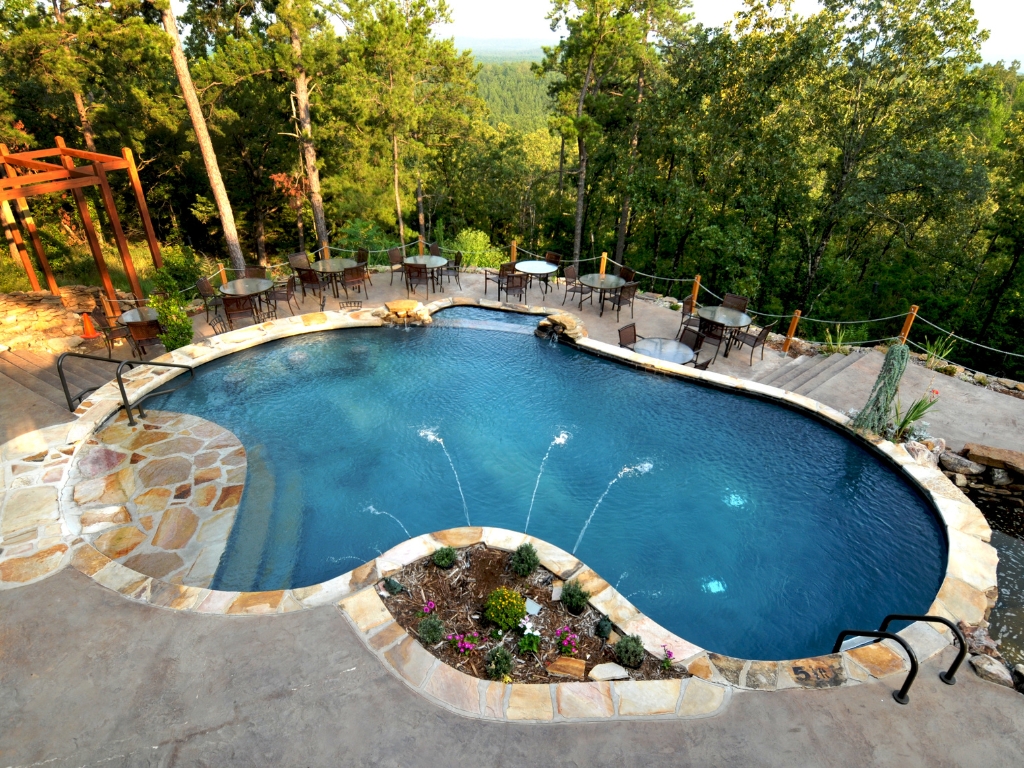
Having a swimming pool in your backyard is a wonderful way to relax, enjoy family time, and stay active. But a pool is only fun when the water is clean and clear. Cloudy or green water not only looks unpleasant but can also be unsafe for swimming. Many pool owners struggle to keep their water sparkling all year, especially during hot months or after heavy use. The good news is that with simple and regular care, you can maintain crystal clear water without stress. Testing the water, balancing chemicals, cleaning the pool, and using the right equipment are all key steps to keep your pool in perfect condition. Whether you have a newly installed pool or one that has been in your backyard for years, following proper pool care routines makes a big difference. This guide will show easy, practical ways to keep your pool water crystal clear year-round.
1. Test Your Pool Water Regularly
The first step to clear pool water is knowing its condition. Testing your pool water helps you understand the levels of chemicals and pH balance. These tests show if your pool has the right chlorine level, alkalinity, and pH.
- pH Level: This measures how acidic or basic your water is. The ideal pH range for pool water is 7.2 to 7.6. If the water is too acidic, it can irritate your eyes and skin. If it’s too basic, it can make your water cloudy.
- Chlorine: Chlorine kills bacteria and algae in the water. The ideal chlorine level is 1 to 3 parts per million (ppm).
- Alkalinity: Total alkalinity helps keep your pH stable. It should be between 80 and 120 ppm.
- Calcium Hardness: Proper calcium levels prevent scaling and corrosion. Aim for 200–400 ppm.
Testing can be done with a pool test kit or test strips. Check your water at least twice a week, and adjust the chemicals as needed. Regular testing is a key part of any effective Pool Maintenance routine.
2. Maintain Proper Chlorine Levels
Chlorine is the most important chemical for a clean pool. It kills germs, bacteria, and algae that can make your water unsafe and cloudy.
- Use chlorine tablets or granules to maintain a steady level.
- For saltwater pools, the chlorine generator will handle it, but you still need to check levels.
- Shock your pool with extra chlorine every 1–2 weeks, especially after heavy use or rain. Pool shock quickly kills algae and bacteria that regular chlorine may miss.
Maintaining chlorine properly is key to crystal clear water. Low chlorine is the most common reason pool water becomes green or cloudy.
3. Keep Your pH Balanced
Even if your chlorine level is perfect, an unbalanced pH can make your pool water appear cloudy or cause irritation.
- If the pH is too high, add muriatic acid or sodium bisulfate to lower it.
- If the pH is too low, add sodium carbonate (soda ash) to raise it.
Balanced pH helps chlorine work better, prevents corrosion of your pool equipment, and protects your skin and eyes while swimming.
4. Clean Your Pool Regularly
Physical cleaning is just as important as chemicals. Dirt, leaves, and debris can quickly cloud your pool water.
- Skim the surface daily to remove leaves and insects.
- Brush pool walls and floor weekly to remove algae and dirt.
- Vacuum your pool at least once a week to clean dirt that sinks to the bottom.
Regular cleaning prevents algae growth and reduces the need for harsh chemicals. This is an essential part of effective Pool Maintenance.
5. Use a Good Filtration System
Your pool filter is like the heart of your pool maintenance. It removes dirt, oils, and other impurities from the water.
- Run your pool pump daily for at least 8–12 hours, depending on the pool size.
- Clean or backwash your filter regularly according to the manufacturer’s instructions.
- Replace filter cartridges or sand as needed to maintain efficiency.
A well-maintained filter ensures water stays clear and reduces the workload on your chemicals.
6. Prevent and Remove Algae
Algae can make pool water green, cloudy, and unsafe. Prevention is easier than removal.
- Maintain proper chlorine and pH levels.
- Brush pool walls and corners regularly.
- Use algaecide weekly, especially during hot months.
If algae appear, shock your pool immediately and use an algaecide. Vacuum the pool to remove dead algae after treatment.
7. Keep Your Pool Covered
Covering your pool when it’s not in use protects it from leaves, dirt, and debris.
- A pool cover can reduce evaporation, prevent algae growth, and keep your water cleaner longer.
- Automatic covers are convenient and easy to use.
- Winter covers are important if you live in colder climates to prevent debris from accumulating.
A cover is a simple step that saves time, water, and chemicals.
8. Monitor Water Circulation
Water circulation is crucial for even distribution of chemicals and preventing stagnant areas.
- Make sure your pool pump is working properly.
- Check that all pool jets are pointed in the right direction for optimal water flow.
- Consider using a pool water circulation booster if some areas remain still.
Good circulation ensures chlorine reaches every corner and prevents algae or bacteria from taking hold.
9. Clean Pool Equipment Regularly
Pool ladders, skimmers, and pumps can collect dirt and bacteria. Keeping your equipment clean helps maintain water quality.
- Empty skimmer baskets weekly.
- Rinse off ladders, diving boards, and slides regularly.
- Check pumps and filters for blockages or damage.
Neglecting equipment can lead to cloudy water and expensive repairs later.
10. Manage Water Chemistry After Rain or Heavy Use
Rain, storms, or heavy pool parties can disrupt water balance.
- Test and adjust chlorine and pH after a big rain or if many people have used the pool.
- Shocking the pool after heavy use is often necessary to kill germs and bacteria.
Quick action prevents problems from getting worse and keeps your water safe.
11. Consider Professional Help
Sometimes, maintaining crystal clear water requires the expertise of professionals. A Swimming Pool Installation expert or pool service company can help you:
- Inspect your pool equipment for hidden problems
- Balance water chemistry efficiently
- Offer upgrades for better filtration, circulation, or overall design
Even if your pool is already installed, periodic help from professionals ensures your pool stays in top condition all year.
12. Additional Tips for Crystal Clear Water
Here are some extra tips to keep your pool sparkling:
- Shower before swimming: This reduces oils and dirt entering the water.
- Avoid overusing chemicals: Too much chlorine or other chemicals can cause cloudiness.
- Clean waterline tiles: Oils and dirt accumulate on the waterline; wipe them weekly.
- Maintain proper water level: Low water can damage pumps, while high water reduces filtration efficiency.
Small, consistent actions make a big difference in maintaining crystal clear water.
Conclusion
Keeping your pool water crystal clear all year requires a combination of testing, cleaning, chemical balance, and proper equipment care. By testing water regularly, maintaining chlorine and pH levels, cleaning the pool, preventing algae, and ensuring good circulation, you can enjoy a safe and beautiful swimming pool every day.
Even simple steps like covering your pool, cleaning the equipment, and showering before swimming help reduce contamination. And when in doubt, professional services such as Swimming Pool Installation or expert Pool Maintenance can make the job easier and more efficient.
With these practices, your pool will not only look amazing but also provide a safe and enjoyable space for family and friends. By staying consistent and attentive, crystal clear water is possible year-round!
