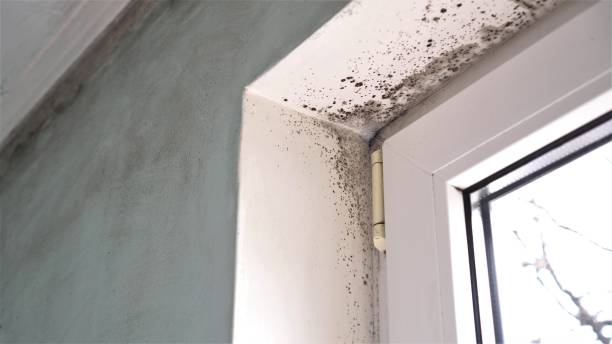
Mold growth in the home is not only unsightly but also poses significant health risks to the inhabitants. It can trigger allergies, asthma, and other respiratory issues, particularly in individuals who are sensitive or vulnerable. Mold thrives in damp, humid environments, making basements, bathrooms, kitchens, and areas affected by water leaks prime targets for its growth. However, with proactive measures, it is possible to prevent mold from taking root in your home.
In this article, we will share expert tips on how to stop mold growth at home. We will also discuss the importance of prompt mold damage remediation services and emergency restoration services in case mold has already become a problem in your home.
Understanding Mold and Its Risks
Mold is a type of fungus that grows in the form of multicellular filaments known as hyphae. When mold spores land on damp surfaces, they begin to grow and spread, producing visible patches on walls, ceilings, or other surfaces. In addition to its unpleasant appearance, mold can lead to various health problems, including respiratory issues, skin irritation, and headaches. Some molds produce mycotoxins, which can be toxic and pose a more serious risk to your health.
Mold growth is most commonly associated with excessive moisture. Leaks in plumbing, roofs, or walls, as well as high humidity levels, are the primary factors contributing to mold development. The good news is that mold can be prevented with a few simple steps that reduce moisture levels in your home.
Tips for Preventing Mold Growth
1. Control Humidity Levels
One of the most effective ways to prevent mold growth is to control the humidity levels in your home. Mold thrives in environments with humidity levels above 60%. Therefore, it’s essential to keep your home’s humidity levels below this threshold. You can use a hygrometer to measure the humidity levels in your home.
To keep humidity under control:
- Use a dehumidifier in areas prone to moisture, such as the basement, bathroom, and kitchen.
- Ensure good airflow by opening windows or using exhaust fans, especially in areas like the bathroom and kitchen.
- Ventilate attics and crawl spaces to prevent moisture accumulation.
2. Fix Water Leaks Promptly
Water leaks are one of the primary causes of mold growth. Whether it’s a leaky roof, plumbing issues, or condensation from windows, water entering your home creates the perfect environment for mold to grow. Inspect your home regularly for any signs of leaks, including water stains on ceilings or walls.
- Repair leaks immediately and thoroughly. Even small leaks can lead to large mold problems if left unchecked.
- If a major leak occurs, act quickly. The longer you wait to address it, the higher the chances of mold taking root.
- Consider using water-resistant materials in areas where leaks are common, such as in bathrooms and kitchens.
3. Ensure Proper Ventilation
Proper ventilation is key to preventing excess moisture from building up in your home. Without adequate airflow, moisture can get trapped inside, especially in high-humidity areas such as bathrooms, laundry rooms, and basements. This trapped moisture provides an ideal environment for mold growth.
- Install exhaust fans in bathrooms and kitchens to remove moisture from the air.
- Ensure that your attic has sufficient ventilation to allow moisture to escape.
- Open windows when possible to improve airflow and reduce humidity.
4. Use Mold-Resistant Products
When renovating or building a home, consider using mold-resistant materials. These products are designed to prevent mold from growing and can be especially useful in areas like bathrooms, kitchens, and basements where moisture is common.
- Mold-resistant drywall, paint, and insulation are available and can help reduce the likelihood of mold formation.
- Consider installing a vapor barrier in basements and crawl spaces to prevent moisture from seeping through floors and walls.
5. Clean and Maintain Gutters
Clogged gutters can cause water to overflow, leading to water damage around your home’s foundation. Over time, this can create the perfect conditions for mold to thrive. Regularly cleaning your gutters ensures that rainwater is directed away from your home’s foundation, reducing the risk of water damage and mold growth.
- Clean gutters at least twice a year, or more frequently if you live in an area with many trees.
- Ensure that downspouts direct water at least 3-4 feet away from your home’s foundation.
6. Install Vapor Barriers in Crawl Spaces
Crawl spaces can be a breeding ground for mold due to the presence of moisture from the ground beneath. Installing a vapor barrier in crawl spaces helps to prevent moisture from rising into the air and causing mold problems.
- Use thick plastic sheeting to cover the ground in your crawl space, which will prevent moisture from seeping up.
- If your crawl space is prone to flooding, consider installing a sump pump to remove excess water.
7. Use Mold-Resistant Insulation
When insulating your home, consider using mold-resistant insulation, especially in areas prone to dampness such as basements and crawl spaces. Mold-resistant insulation helps to prevent mold growth by repelling moisture.
- Spray foam insulation and rigid foam board insulation are great options for mold prevention, as they are resistant to moisture.
8. Clean Up Any Mold Quickly
If you do find mold in your home, it’s important to clean it up promptly. Small mold infestations can be tackled using simple cleaning solutions, but larger issues may require professional help.
- For small mold patches, clean with a mixture of water and dish soap or a bleach solution (one part bleach to ten parts water).
- Scrub mold off hard surfaces such as walls, floors, and countertops.
- Dispose of any porous materials (like carpet or ceiling tiles) that have been affected by mold, as mold can often penetrate these materials and be difficult to fully remove.
9. Monitor Your Home After a Water Event
After experiencing flooding, a leaky roof, or a burst pipe, it is essential to monitor your home for signs of mold growth. Water damage that’s not addressed promptly can lead to serious mold problems.
- Dry out affected areas within 24-48 hours to prevent mold growth.
- Use fans, dehumidifiers, and open windows to dry out wet areas as quickly as possible.
- Check for signs of mold growth after a few days, especially in hidden areas like behind walls or under carpets.
Professional Mold Damage Remediation Services
Even with the best preventive measures, mold can still develop, especially if water damage occurs. If you discover a mold problem in your home, it is important to call professionals who can provide mold damage remediation services. These experts have the knowledge, tools, and experience to remove mold safely and effectively, ensuring that your home is restored to a healthy environment.
- Mold removal specialists can identify hidden mold, assess the extent of the damage, and remove mold from areas that are difficult to access.
- They use specialized equipment such as air scrubbers and HEPA vacuums to remove spores and prevent them from spreading to other areas of the home.
- Professional remediation services also include the use of mold-resistant treatments to prevent future growth.
Emergency Restoration Services
In some cases, mold growth can be a result of an emergency situation, such as flooding or a major water leak. In these situations, emergency restoration services can help mitigate the damage and restore your home to its original condition.
- Emergency restoration services respond quickly to water damage, which is crucial for preventing mold growth.
- They use advanced drying equipment, moisture meters, and dehumidifiers to remove excess moisture from the air and surfaces, ensuring that mold does not have a chance to develop.
- These services often include repairing water damage, cleaning affected areas, and restoring your home to a safe and dry condition.
Conclusion
Stopping mold growth at home requires proactive measures to control moisture, fix leaks promptly, and ensure proper ventilation. Regular maintenance, such as cleaning gutters, using mold-resistant materials, and monitoring humidity levels, can help keep mold at bay. However, if you find yourself dealing with a mold infestation, it is essential to seek professional mold damage remediation services and emergency restoration services to protect your home and your health.
By following these expert tips and staying vigilant about moisture control, you can significantly reduce the risk of mold growth in your home.
