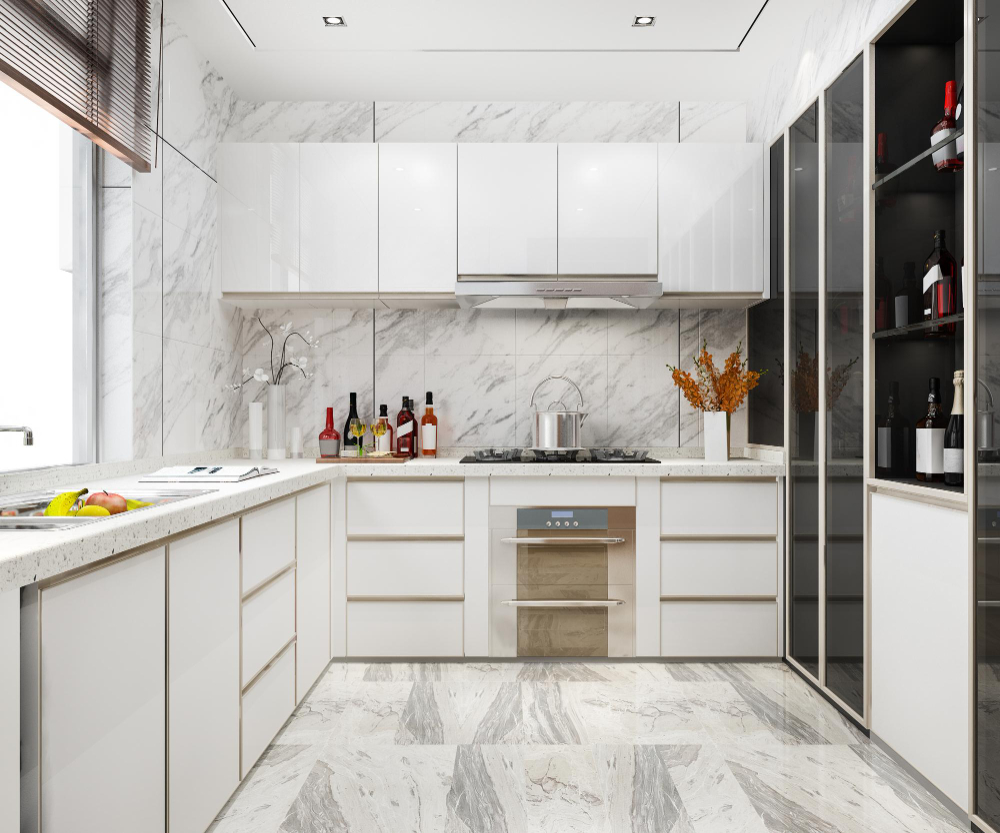
Designing a kitchen often starts with cabinetry and appliances, but experienced professionals know that surfaces do most of the heavy lifting. Floors and walls endure heat, moisture, spills, and constant foot traffic. Over time, many renovation issues trace back to poor surface choices rather than layout mistakes. This is why kitchen tiles remain one of the most important—and frequently misunderstood—elements in residential design.
For homeowners and contractors alike, the challenge isn’t a lack of options. It’s knowing which materials perform well in real kitchens, not just showrooms.
Why Tile Selection Causes So Many Problems
In practice, tile issues rarely appear immediately. Cracking grout, slippery floors, or staining often emerge months after installation. From years of on-site experience, the most common cause is selecting tiles based on appearance alone.
A polished tile might look stunning under showroom lighting, yet become hazardous when exposed to water or cooking oils. Similarly, decorative wall tiles are sometimes installed on floors, where they simply aren’t designed to cope with weight or impact. Professionals working with kitchen tiles regularly see these avoidable mistakes.
Understanding how tiles behave in real conditions is essential.
Material Matters More Than Style
Ceramic Tiles
Ceramic remains a popular choice due to affordability and variety. It performs well on walls and light-use floors, but it can chip under heavy impact. In family kitchens or high-traffic homes, this limitation should be considered carefully.
Porcelain Tiles
Porcelain is denser, less porous, and significantly more durable. In practical terms, it handles moisture, heat, and wear better than standard ceramic. Many professionals recommend porcelain kitchen tiles for floors, especially in busy households.
Natural Stone
Stone tiles bring character and depth, but they also require maintenance. Without proper sealing, stone can stain or absorb moisture. From experience, stone works best for homeowners who understand upkeep and accept natural variation.
Glass and Feature Tiles
Often used for splashbacks, glass tiles resist stains and are easy to clean. However, they show fingerprints and grease more easily, making cleaning frequency an important consideration.
Real-World Performance: What Experience Teaches
In working kitchens, durability matters more than design trends. Grout quality, tile thickness, and installation technique all affect long-term performance. Poorly prepared subfloors cause cracking regardless of tile quality. Inconsistent adhesive coverage leads to hollow spots that eventually fail.
Professionals who install kitchen tiles daily know that the best tile can still fail if the foundation is rushed.
Climate and Regional Considerations
Local conditions influence tile performance more than many realize. In regions with high humidity or fluctuating temperatures, expansion and contraction become real concerns. This is particularly relevant when specifying kitchen tiles Ireland homeowners rely on for long-term durability.
In Ireland’s climate, moisture resistance and slip ratings deserve extra attention. Tiles that perform well in dry environments may behave differently in damp conditions. Experienced installers often recommend porcelain with a suitable anti-slip rating for Irish kitchens, especially in open-plan layouts that connect directly to outdoor spaces.
Layout, Size, and Practical Design Choices
Tile size affects both appearance and maintenance. Large-format tiles reduce grout lines, which many homeowners prefer for easier cleaning. However, they require flatter subfloors and precise installation.
Smaller tiles offer better slip resistance and flexibility around awkward layouts, but increase grout maintenance. Professionals often balance aesthetics with cleaning realities when advising on kitchen tiles.
Tile orientation also matters. Poor alignment draws attention to imperfections, while thoughtful layouts can visually expand smaller kitchens.
Common Mistakes Seen in Real Kitchens
From years of practical observation, certain mistakes appear repeatedly:
- Choosing glossy tiles for floors without considering slip risk
- Ignoring tile ratings and suitability
- Underestimating grout colour impact
- Skipping proper sealing for stone tiles
- Rushing installation timelines
These errors usually stem from focusing on short-term appearance rather than long-term use.
Maintenance: What Homeowners Often Overlook
Even the most durable kitchen tiles require proper care. Harsh chemical cleaners can degrade grout and dull finishes over time. Simple habits—wiping spills promptly, using pH-neutral cleaners, and resealing when needed—extend tile life significantly.
In kitchens across Ireland, professionals often see tiles blamed for problems caused by incorrect cleaning products rather than material failure. Understanding these limitations helps set realistic expectations.
Balancing Budget and Longevity
Budget constraints are real, but cheap tiles often lead to higher long-term costs. Replacing cracked or stained tiles is far more expensive than investing in suitable materials upfront.
Experienced designers encourage clients to allocate more budget to high-wear areas while saving on decorative elements. This approach delivers better value without sacrificing design.
Trust, Transparency, and Responsible Advice
No tile is perfect for every situation. Some materials trade durability for aesthetics. Others prioritise performance but limit design flexibility. Being honest about these trade-offs builds trust and leads to better decisions.
Professionals working with kitchen tiles Ireland projects consistently stress that informed choices matter more than trends. Understanding limitations prevents disappointment and ensures kitchens age gracefully.
Conclusion: Tiles as a Long-Term Decision
Kitchen tiles are not just a design feature—they are a functional surface that supports daily life. When selected with real-world use in mind, they enhance safety, durability, and comfort for years.
Experience shows that successful kitchens result from thoughtful material selection, skilled installation, and realistic expectations. Whether renovating or building new, taking time to understand how kitchen tiles perform in real conditions leads to better outcomes and fewer regrets.
Frequently Asked Questions (FAQs)
1. What tiles work best for kitchen floors?
Porcelain tiles are widely preferred due to durability, moisture resistance, and strength.
2. Are glossy tiles safe for kitchens?
Glossy tiles can be slippery when wet and are better suited for walls than floors.
3. Do kitchen tiles require sealing?
Natural stone tiles require sealing; ceramic and porcelain generally do not.
4. Are kitchen tiles Ireland homes use different from other regions?
Yes, moisture resistance and slip ratings are especially important due to climate conditions.
5. How long should quality kitchen tiles last?
With proper installation and maintenance, quality tiles can last decades.
