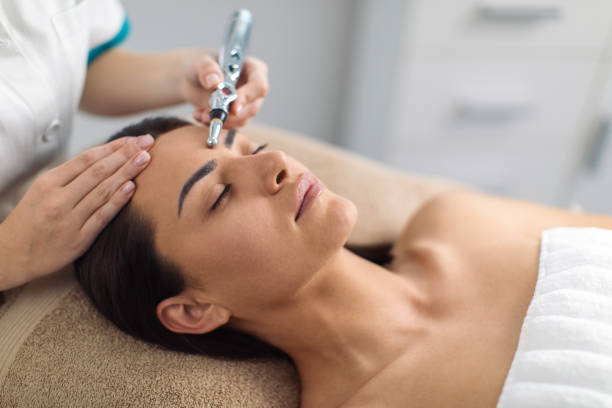
Dark spots, also known as hyperpigmentation, are a common skin concern that can affect people of all ages. These spots often appear as uneven patches on the face, hands, or other exposed areas of the body, making skin tone look inconsistent and dull. While dark spots are usually harmless, they can impact confidence and self-esteem. Fortunately, advances in dermatology and cosmetic procedures have made it possible to effectively reduce or even eliminate these blemishes, helping individuals achieve clear, bright skin.
One of the most popular and effective solutions is laser therapy. Laser treatments target the melanin in the skin, breaking up excess pigmentation and promoting skin rejuvenation. Before opting for this procedure, it’s essential to understand how it works, what to expect, and factors influencing results and costs.
What Causes Dark Spots?
Understanding the underlying causes of dark spots can help you choose the most effective treatment. Common causes include:
- Sun Exposure: Ultraviolet (UV) rays trigger melanin production, leading to sunspots or age spots.
- Hormonal Changes: Pregnancy, birth control, and hormonal fluctuations can cause melasma.
- Skin Injuries: Acne scars, cuts, or burns may leave post-inflammatory hyperpigmentation.
- Aging: Natural aging can lead to uneven pigmentation over time.
- Medications: Certain medications can increase sensitivity to sunlight and cause spots.
Knowing the root cause helps dermatologists select the best treatment plan, including whether laser therapy is appropriate.
How Laser Treatments Work
Laser technology uses concentrated light energy to target pigment in the skin. The light breaks up melanin, which is then naturally eliminated by the body. Different types of lasers are used based on the severity and depth of pigmentation, including:
- Q-Switched Lasers: Ideal for treating sunspots, freckles, and other superficial pigmentation.
- Fractional Lasers: Penetrate deeper layers of the skin to stimulate collagen production and improve overall skin texture.
- Intense Pulsed Light (IPL): Uses broad-spectrum light to target multiple pigments, improving both spots and skin tone.
Laser treatments are precise, allowing dermatologists to target dark spots without affecting surrounding skin. This makes them effective and minimally invasive compared to surgical procedures.
Benefits of Laser Treatments for Dark Spots
Laser therapy offers numerous benefits beyond simply reducing pigmentation:
- Effective Results: Most patients notice significant improvement after just a few sessions.
- Non-Invasive: No cutting or stitching is required, minimizing recovery time.
- Long-Lasting Effects: Proper aftercare and sun protection can extend results for years.
- Skin Rejuvenation: Many lasers stimulate collagen, improving texture, firmness, and overall appearance.
- Customizable: Treatments can be tailored based on skin type, spot severity, and patient goals.
These advantages make laser treatments a preferred choice for those seeking a safe and reliable method to address dark spots.
Preparing for Your Treatment
Proper preparation ensures the best results and reduces the risk of complications. Here are essential steps before undergoing laser treatment:
- Consult a Dermatologist: A professional evaluation ensures the correct type of laser and treatment plan.
- Avoid Sun Exposure: Sunburned or tanned skin can increase the risk of side effects.
- Discontinue Certain Medications: Some medications or skincare products may make skin more sensitive to laser energy.
- Follow Pre-Treatment Instructions: Your dermatologist may recommend specific creams or routines to prepare your skin.
Being well-prepared helps maximize effectiveness and ensures a smooth treatment process.
What to Expect During the Procedure
Laser treatments for dark spots are usually performed in-office and are relatively quick:
- Duration: Sessions typically last 20–45 minutes, depending on the area treated.
- Sensation: Patients may feel mild discomfort, similar to a snapping rubber band against the skin. Numbing creams can minimize discomfort.
- Immediate Aftercare: Skin may appear red or slightly swollen, resembling a mild sunburn. This usually subsides within a few days.
- Multiple Sessions: Depending on the severity of pigmentation, 2–6 sessions may be recommended for optimal results.
Following your dermatologist’s instructions during this period is crucial for recovery and achieving the best outcomes.
Recovery and Aftercare
Proper aftercare is vital to protect treated skin and maintain results:
- Sun Protection: Use broad-spectrum sunscreen to prevent new pigmentation from forming.
- Gentle Skincare: Avoid harsh exfoliants, chemical peels, or abrasive treatments until skin fully heals.
- Moisturize and Hydrate: Keeping skin hydrated aids in healing and enhances overall appearance.
- Follow-Up Visits: Regular check-ins with your dermatologist ensure that treatment is progressing as planned.
Patients who follow these guidelines often enjoy faster recovery and longer-lasting results.
Risks and Considerations
While laser treatments are generally safe, it’s important to understand potential risks:
- Temporary Redness and Swelling: Common and usually resolves within days.
- Hyperpigmentation or Hypopigmentation: Rarely, skin may become darker or lighter in treated areas.
- Scarring or Infection: Minimal risk when performed by a qualified professional.
- Sensitivity to Sunlight: Newly treated skin is more susceptible to UV damage.
Choosing a reputable clinic and following all pre- and post-treatment instructions can minimize these risks.
Cost of Laser Treatments
The cost of laser treatments varies depending on several factors:
- Type of Laser Used: Advanced lasers may be more expensive than basic options.
- Treatment Area: Larger areas require more time and resources.
- Number of Sessions: More sessions increase total cost.
- Clinic Location and Reputation: Clinics in metropolitan areas or those with highly experienced dermatologists may charge more.
On average, a single session can range from $200 to $1,500. Multiple sessions are often required for optimal results. Investing in a professional provider is crucial, as cutting corners can lead to poor outcomes or complications.
Alternative and Complementary Treatments
While laser treatments are highly effective, combining them with other strategies can enhance results:
- Topical Treatments: Products containing hydroquinone, vitamin C, or retinoids help lighten pigmentation.
- Chemical Peels: These exfoliate the skin and can complement laser therapy.
- Microneedling: Improves overall skin texture and may reduce the appearance of dark spots.
For mild pigmentation, pigmentation treatment for dark spots using topical solutions or non-invasive procedures may be sufficient, while laser therapy is typically recommended for stubborn spots or deeper pigmentation.
Choosing the Right Clinic
Selecting a qualified dermatologist or clinic is critical for safe and effective treatment. Consider the following:
- Experience: Look for providers with specialized training in laser treatments.
- Reviews and Testimonials: Previous patient experiences can provide insight into results and service quality.
- Consultation: A thorough consultation ensures a personalized treatment plan.
- Technology: Ensure the clinic uses modern, FDA-approved laser equipment.
Taking the time to choose a reputable clinic increases the likelihood of achieving desired results while minimizing risks.
Long-Term Results and Maintenance
Laser treatments can provide long-lasting results, but maintenance is essential:
- Regular Sun Protection: Prevents new dark spots from forming.
- Skincare Routine: Gentle cleansing, moisturizing, and the use of targeted creams help maintain results.
- Periodic Touch-Ups: Some patients benefit from follow-up sessions to sustain clear, bright skin.
By combining laser treatments with consistent at-home care, you can enjoy healthier, more radiant skin over time.
Conclusion
Dark spots can be frustrating, but modern dermatology offers effective solutions to restore clear, even-toned skin. Laser treatments for dark spots provide targeted, reliable, and minimally invasive options for reducing pigmentation and promoting skin rejuvenation. Understanding the procedure, preparing properly, and following aftercare instructions are key to achieving optimal results.
Whether combined with other skincare treatments or used as a standalone solution, laser therapy offers a safe and effective way to address stubborn pigmentation. Consulting a qualified dermatologist, discussing your goals, and understanding costs will help you make an informed decision and achieve the clear, bright skin you desire.
