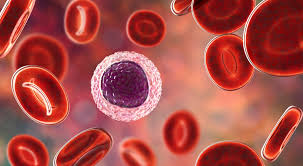
Blood cancer affects the blood, bone marrow, or lymphatic system and requires timely medical care. Advances in diagnosis and therapy have improved survival rates and long-term outcomes for many patients. However, completing hospital-based care does not mean recovery ends. The post-treatment period focuses on healing, monitoring, and gradually returning to daily life.
After finishing blood cancer treatment, patients enter a recovery phase that involves physical restoration, regular follow-up care, and emotional adjustment. This stage requires attention to medical guidance and awareness of changes in the body. Understanding what to expect helps individuals and families move forward with clarity and confidence.
Physical Recovery After Treatment
The body needs time to regain strength after therapy. Treatments such as chemotherapy, radiation therapy, targeted therapy, or bone marrow transplant can affect energy levels and immunity. Fatigue remains one of the most common concerns and may continue for several weeks or months.
Immunity may also stay low for some time. Doctors often advise maintaining hygiene, eating balanced meals, and avoiding unnecessary exposure to infections during early recovery. Hair regrowth, appetite changes, or mild joint discomfort may occur. These effects usually improve gradually. Patients should inform their healthcare team about persistent or worsening symptoms to ensure appropriate evaluation.
The Role of Follow-Up Monitoring
Follow-up care plays a central role in life after blood cancer treatment Doctors create personalised schedules based on the type of cancer and the therapy received. Regular monitoring helps assess remission status and detect any concerns early. During follow-up visits, doctors may recommend:
- Physical examination to assess general health and recovery
- Blood tests to monitor blood cell counts and organ function
- Imaging tests when clinically indicated
- Bone marrow assessment in selected cases
Attending scheduled appointments remains important even if no symptoms appear. Consistent monitoring provides reassurance and allows timely intervention if needed.
Recognising Late and Long-Term Effects
Some effects of therapy may take months or years to appear. These are known as late effects. Awareness of these possibilities supports early detection and appropriate management.
Doctors may monitor for:
- Heart-related concerns depend on prior therapy
- Hormonal or thyroid changes
- Bone density reduction
- Fertility-related considerations
Regular medical review helps identify these issues early. Patients should report new or persistent symptoms such as ongoing fatigue or unusual bleeding. Open discussion with the healthcare team supports safe and informed care.
Emotional Recovery and Mental Health
Completing therapy often brings relief, yet many patients continue to experience emotional uncertainty. The shift from frequent hospital visits to periodic reviews may feel unsettling. Concerns about recurrence or long-term health are common and understandable.
Counselling services and support groups can help patients process their experiences. Speaking openly with family members and healthcare professionals allows concerns to be addressed in a supportive setting. Emotional health influences physical recovery, and seeking help when needed reflects strength rather than weakness.
Returning to Daily Activities
Resuming work, studies, or household responsibilities requires patience. Some individuals feel ready within a few months, while others need additional time. Doctors may provide advice on safe activity levels based on recovery progress and blood counts.
Gradual return to routine activities prevents exhaustion. Employers and educational institutions may offer flexibility during this transition. Clear communication about energy levels and medical appointments supports smoother adjustment. Children and adolescents recovering from blood cancer may require additional academic support. Teachers and caregivers should remain aware of any precautions related to immunity or fatigue.
Healthy Living After Treatment
Adopting healthy habits strengthens long-term recovery and overall well-being. Lifestyle adjustments support organ health and help reduce the risk of additional medical concerns.
Patients are generally advised to:
- Follow a balanced diet rich in fruits, vegetables, and whole grains
- Engage in moderate physical activity as tolerated
- Avoid tobacco use
- Limit alcohol intake
- Review vaccination plans with their doctor
These measures support recovery while respecting individual health conditions. Patients should consult their healthcare team before taking supplements or over-the-counter products to ensure safety.
When to Seek Medical Advice
Although recovery often progresses steadily, certain symptoms require prompt medical attention. Early consultation allows doctors to determine whether concerns relate to recovery or require further evaluation. Patients should contact their healthcare provider if they experience:
- Persistent fever
- Frequent infections
- Unusual bruising or bleeding
- Unexplained weight changes
- Ongoing weakness
Keeping a written record of symptoms and questions can help during medical appointments. Clear communication ensures that concerns receive appropriate attention.
Conclusion
Life after blood cancer therapy involves continued healing and careful observation. Recovery differs for each individual, and regular follow-up appointments remain essential to monitor health. Awareness of potential late effects, attention to emotional well-being, and healthy lifestyle choices contribute to long-term stability. By remaining engaged with their healthcare team and responding promptly to changes, patients can move forward with reassurance while maintaining thoughtful, informed care for their health.
