Introduction
Water damage is one of the most common and costly problems faced by homeowners and businesses. It can occur suddenly due to natural disasters, plumbing failures, or unnoticed leaks, and if not handled quickly, it can lead to structural damage, mold growth, and expensive repairs. Many people underestimate how fast water can spread through walls, flooring, and furniture, making immediate action essential.
Understanding the main causes of water damage and learning the proper steps for recovery can significantly reduce long-term damage. Professional water damage restoration services often play a crucial role in preventing further deterioration and restoring affected properties to their original condition. This article explores the primary causes of water damage and explains the most effective ways to restore and protect your property.
Understanding Water Damage in Homes and Buildings
Water damage occurs when unwanted water infiltrates a structure and begins to destroy materials such as wood, drywall, insulation, and flooring. Even a small leak can gradually weaken structural elements and create the perfect environment for mold growth.
When water enters a building, it spreads quickly through porous materials. Carpets absorb moisture, drywall becomes soft, and wooden structures may begin to swell or warp. Without timely water damage restoration, the damage can escalate rapidly, making repairs more complicated and expensive.
The severity of water damage usually depends on three factors: the source of water, the duration of exposure, and the materials affected. Clean water from a broken pipe may cause less harm than contaminated water from sewage backups or floodwaters. Regardless of the source, quick action is essential to minimize destruction.
Burst or Leaking Pipes
One of the most frequent causes of water damage in residential and commercial buildings is burst or leaking pipes. Pipes may break due to freezing temperatures, corrosion, excessive water pressure, or general wear and tear over time.
When a pipe bursts, water can flood an area within minutes. Basements, kitchens, and bathrooms are particularly vulnerable because they contain extensive plumbing systems. Even slow leaks hidden behind walls or under floors can cause serious damage over time.
In such situations, immediate water damage restoration is essential. Professionals typically start by shutting off the water supply, identifying the damaged pipe, and extracting any standing water. Advanced drying equipment is then used to remove hidden moisture from walls and floors to prevent mold growth.
Roof Leaks and Poor Roof Maintenance
A damaged or poorly maintained roof is another common source of water intrusion. Roof leaks often occur due to cracked shingles, damaged flashing, clogged gutters, or aging roofing materials. During heavy rain or storms, water can seep through these weak points and enter the attic or upper walls.
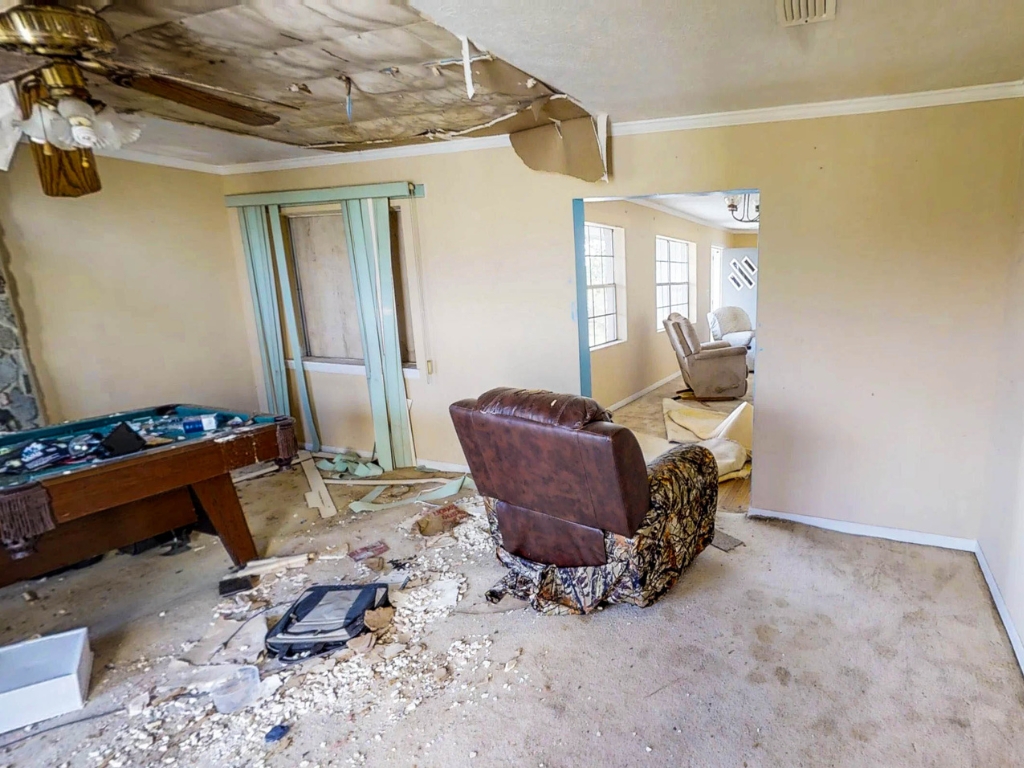
Once water penetrates the roof structure, it can spread to ceilings, insulation, and interior walls. Over time, this can cause discoloration, structural weakening, and even ceiling collapse.
Regular roof inspections and maintenance can help prevent such issues. If a leak occurs, quick water damage restoration is necessary to dry affected materials and repair structural components before the damage worsens.
Natural Flooding and Severe Weather
Natural disasters such as heavy rainfall, hurricanes, and flash floods are major contributors to water damage around the world. Floodwater can enter homes through doors, windows, foundation cracks, and drainage systems.
Floodwater often carries contaminants such as dirt, chemicals, and bacteria, making it more dangerous than clean water leaks. When floodwater remains inside a building for extended periods, it can damage flooring, drywall, furniture, and electrical systems.
In these cases, professional water damage restoration is crucial for safe recovery. Specialists remove contaminated water, sanitize the area, and thoroughly dry the building to prevent mold and health hazards.
Faulty Household Appliances
Modern homes rely on several water-using appliances, including washing machines, dishwashers, refrigerators, and water heaters. When these appliances malfunction, they can leak significant amounts of water onto floors and surrounding areas.
For example, a damaged washing machine hose can release hundreds of gallons of water in a short time. Similarly, a leaking water heater may slowly damage floors and walls if the problem goes unnoticed.
Routine maintenance and regular inspections can help prevent appliance-related leaks. However, if water damage occurs, professional water damage restoration services can help remove moisture and restore damaged materials quickly and efficiently.
Clogged Drains and Sewer Backups
Blocked drains and sewer backups can cause water to flow back into sinks, toilets, or floor drains. This type of water damage is particularly hazardous because sewage water contains harmful bacteria and contaminants.
Common causes of clogged drainage systems include grease buildup, tree root intrusion, and flushing inappropriate materials down toilets. When the sewer system becomes overloaded, wastewater may back up into the building.
In such situations, specialized water damage restoration procedures are required. Professionals use protective equipment, remove contaminated water, disinfect the area, and ensure proper sanitation before restoring the space.
Poor Drainage Around the Foundation
Improper drainage around a building’s foundation can allow water to accumulate near the structure. Over time, this water may seep through foundation cracks and enter basements or crawl spaces.
Heavy rainfall combined with poor grading or blocked gutters can increase the risk of foundation leaks. Water infiltration at the foundation level can weaken structural stability and cause long-term damage.
Addressing drainage problems and sealing foundation cracks are essential steps in preventing future issues. If water intrusion has already occurred, water damage restoration experts use moisture detection tools and industrial drying equipment to remove hidden moisture and stabilize the structure.
The Importance of Immediate Water Damage Response
Time plays a critical role in minimizing water damage. The longer water remains in contact with building materials, the more severe the damage becomes. Within just a few hours, moisture can spread to surrounding areas and begin affecting structural integrity.
Within 24 to 48 hours, mold growth can begin, creating additional health risks for occupants. Mold spores thrive in damp environments and can spread rapidly if not controlled.
This is why prompt water damage restoration is essential. Professional teams respond quickly, assess the damage, and implement a structured restoration process to prevent further deterioration.
Key Steps in the Water Damage Restoration Process
Effective water damage restoration typically follows a systematic approach to ensure complete recovery of the affected property.
The first step is inspection and assessment. Restoration specialists evaluate the extent of water intrusion and identify the source of the problem. This helps determine the appropriate restoration strategy.
The second step involves water extraction. Powerful pumps and vacuums are used to remove standing water from floors, carpets, and other surfaces.
The next phase focuses on drying and dehumidification. Industrial air movers and dehumidifiers remove moisture trapped in walls, flooring, and structural materials.
After drying, cleaning and sanitization are performed to eliminate bacteria, odors, and contaminants. This step is especially important when dealing with floodwater or sewage backups.
The final stage of water damage restoration includes repairs and reconstruction. Damaged materials such as drywall, flooring, and insulation may be replaced to restore the building to its original condition.
Preventive Measures to Reduce Water Damage Risks
While not all water damage can be prevented, many risks can be reduced through regular maintenance and proactive measures.
Routine plumbing inspections can identify small leaks before they turn into major problems. Maintaining gutters and downspouts helps ensure proper drainage away from the building.
Homeowners should also monitor appliances, replace worn hoses, and install water leak detection devices where possible. These small steps can significantly reduce the likelihood of severe water damage.
However, if an unexpected incident occurs, professional water damage restoration services remain the most reliable way to handle the situation quickly and safely.
Conclusion
Water damage can occur for many reasons, including burst pipes, roof leaks, appliance failures, flooding, and drainage problems. Regardless of the cause, the effects can be severe if the issue is not addressed promptly.
Understanding the common causes of water damage allows property owners to take preventive measures and respond quickly when problems arise. Early detection, proper maintenance, and immediate action are key to minimizing structural damage and financial loss.
When water damage does occur, professional water damage restoration plays a vital role in restoring safety and stability to the affected property. Through specialized equipment, expert techniques, and thorough drying processes, restoration professionals can return buildings to a safe and livable condition while preventing future complications.
