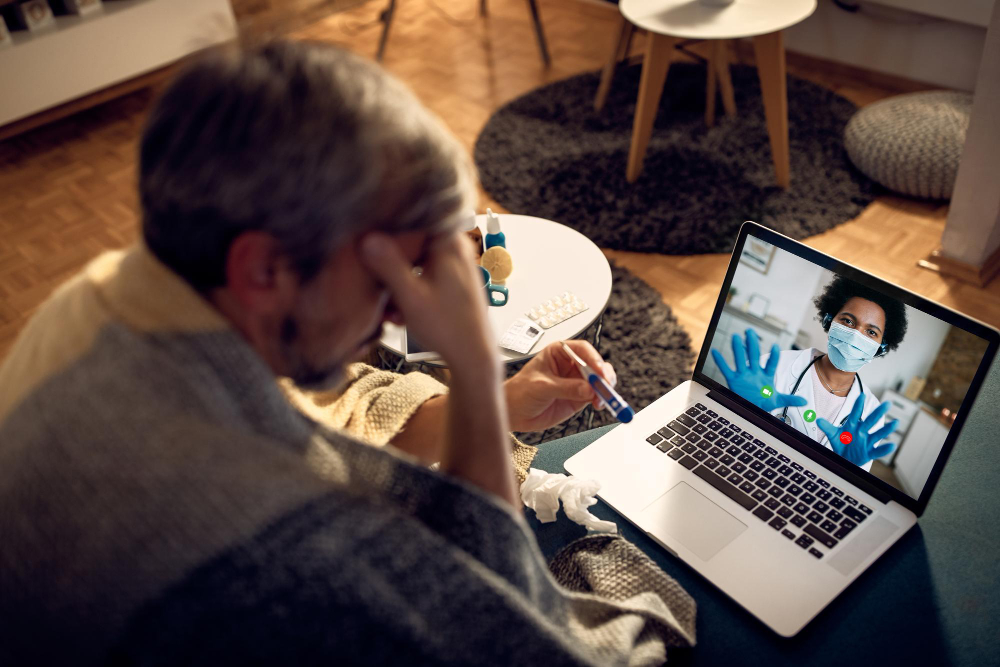
For many residents across the province, especially outside major urban centers, accessing timely specialist care has long required significant travel. Manitoba telehealth has emerged as a practical response to this challenge, connecting patients with healthcare professionals through secure virtual platforms. In a geographically large province like Manitoba, where communities can be separated by hundreds of kilometers, remote healthcare services are not simply a convenience—they are often a necessity.
From years of observing healthcare delivery in both hospital and community settings, one pattern is clear: distance should not dictate the quality of medical care. Virtual systems, when implemented responsibly, reduce barriers while maintaining professional standards.
Why Remote Healthcare Matters in Manitoba
Manitoba’s population distribution creates unique pressures. Specialized services are heavily concentrated in Winnipeg, while many rural and northern communities have limited on-site specialty care. Historically, patients traveled long distances for follow-up appointments that sometimes lasted less than 30 minutes.
Remote consultation programs were designed to reduce that burden. Instead of spending a full day traveling for a brief assessment, patients can attend appointments from a local health center or, in some cases, from their homes.
This shift has produced measurable improvements:
- Fewer missed appointments
- Lower travel-related stress
- Reduced time off work or school
- Increased continuity of care
For individuals managing chronic illnesses, these improvements are not minor. They directly affect treatment adherence and long-term outcomes.
How Telehealth Appointments Typically Work
Virtual healthcare appointments are conducted through secure video conferencing systems integrated into the provincial healthcare framework. In many rural clinics, dedicated rooms are equipped with cameras, monitors, and medical devices that allow providers to observe patients clearly.
Depending on the situation, a nurse or healthcare aide may be present during the session to:
- Measure vital signs
- Assist with basic physical assessments
- Facilitate communication if needed
The structure of the appointment remains similar to in-person visits. The provider reviews medical history, discusses symptoms, evaluates progress, and outlines next steps. Documentation standards remain unchanged.
The primary difference is location—not clinical responsibility.
Clinical Areas That Benefit Most
While remote healthcare cannot replace every in-person service, certain specialties adapt particularly well.
Chronic Disease Management
Patients with diabetes, heart disease, or respiratory conditions often require routine monitoring. Virtual follow-ups allow specialists to review lab results, adjust medications, and address concerns efficiently.
Mental Health Services
Access to psychiatric and psychological care has expanded significantly through virtual platforms. Patients in smaller communities can speak with specialists without lengthy travel or stigma concerns.
Post-Surgical Follow-Ups
For stable patients, wound checks and recovery assessments can often be conducted remotely, reducing unnecessary return trips.
In each of these areas, patient satisfaction tends to increase when travel barriers decrease.
Limitations That Must Be Acknowledged
Responsible discussion requires transparency. Telehealth has limitations.
Certain conditions demand hands-on evaluation. Acute abdominal pain, neurological emergencies, or injuries requiring imaging cannot be adequately assessed through video alone. In such cases, in-person evaluation remains essential.
Technology can also present challenges. Internet connectivity in remote regions may be inconsistent. Elderly patients sometimes need assistance navigating digital platforms.
Virtual healthcare works best when used appropriately. It complements traditional services rather than replacing them.
Maintaining Professional Standards in Virtual Care
One concern occasionally raised is whether virtual appointments compromise care quality. In practice, quality depends on preparation and structure.
Experienced providers approach remote consultations with the same diligence as in-person visits. This includes:
- Reviewing patient records beforehand
- Confirming medication lists
- Ensuring privacy and secure connections
- Documenting findings thoroughly
Confidentiality obligations remain strict. Healthcare providers must follow privacy legislation and use encrypted systems to protect patient information.
Clinical integrity does not diminish simply because the appointment occurs on a screen.
Practical Advice for Patients
Patients can take simple steps to ensure productive appointments:
- Prepare a list of symptoms and questions in advance.
- Have current medications available during the session.
- Test audio and video systems beforehand.
- Choose a quiet, private space to maintain confidentiality.
Treating a virtual consultation with the same seriousness as an in-person visit enhances communication and outcomes.
Collaboration Between Local and Urban Providers
One of the most effective aspects of Manitoba telehealth is collaboration. Primary care providers refer patients to specialists. Specialists conduct consultations remotely. Local healthcare staff assist when physical measurements are required.
This coordinated approach strengthens continuity of care. It also supports knowledge-sharing between urban specialists and rural practitioners.
In some cases, remote consultations prevent unnecessary hospital transfers by enabling specialists to guide local treatment decisions.
Ethical Considerations and Transparency
Healthcare providers must carefully determine whether a patient’s condition is suitable for remote assessment. Ethical practice involves acknowledging when virtual care is insufficient.
Patients should also be informed about how their information is stored and who has access to it. Transparency builds trust, particularly when technology mediates healthcare delivery.
No responsible provider presents virtual care as a cure-all. Instead, it is presented as one tool within a broader healthcare framework.
The Future of Telehealth in Manitoba
As broadband access improves and technology advances, remote healthcare services are likely to expand further. However, experienced professionals consistently emphasize balance.
The future lies in integration—combining in-person care with digital accessibility. When used appropriately, virtual systems enhance efficiency without compromising safety.
Healthcare remains fundamentally human. Technology can facilitate connection, but it cannot replace professional judgment or compassionate communication.
A Measured Perspective on Remote Healthcare
Manitoba telehealth has significantly improved access for rural and northern residents. It reduces travel burdens, increases appointment adherence, and strengthens continuity for many chronic conditions.
At the same time, it has boundaries. Certain evaluations require physical examination. Technical limitations persist in some regions. Responsible healthcare involves recognizing both strengths and constraints.
When implemented thoughtfully and supported by strong privacy safeguards, remote healthcare services represent a meaningful advancement in equitable access. They expand options for patients while preserving the professional standards that underpin safe medical practice.
Frequently Asked Questions (FAQs)
1. Who is eligible for telehealth services in Manitoba?
Patients referred by healthcare providers can access remote consultations, particularly for specialist follow-ups and certain mental health services.
2. Are telehealth appointments confidential?
Yes. Healthcare providers must use secure, encrypted systems and comply with provincial privacy regulations.
3. Can all medical issues be handled virtually?
No. Some conditions require physical examination, imaging, or urgent in-person care.
4. Do I need special equipment at home?
For home-based appointments, a stable internet connection and a device with a camera and microphone are typically required.
