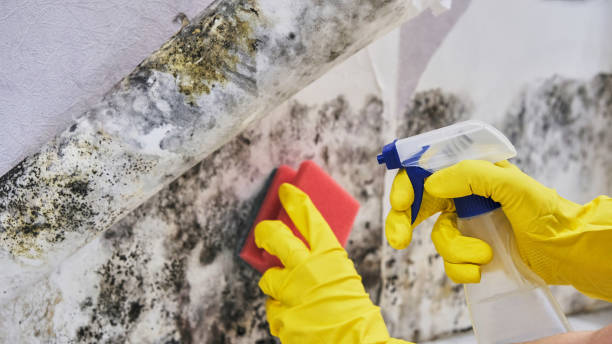
Mold is a common yet serious issue in homes and buildings. It thrives in damp, humid environments and can compromise both structural integrity and the health of occupants. From musty odors to visible black or green patches, mold can indicate moisture problems that need immediate attention. Taking proactive measures to prevent mold growth is essential to maintaining a safe, clean, and healthy living environment.
This guide explores effective strategies to reduce mold risks, the importance of professional intervention, and how mold damage remediation services can support a safe and mold-free home.
Understanding Mold and Its Risks
Mold is a type of fungus that reproduces through microscopic spores. These spores are airborne and can spread throughout your home, especially in areas with poor ventilation or persistent moisture. While mold is naturally present in the environment, excessive indoor growth can create serious health hazards.
Health Risks of Mold Exposure
Exposure to mold can affect people in various ways, depending on the type of mold and the duration of exposure. Common health effects include:
- Respiratory issues such as coughing, wheezing, and shortness of breath
- Allergic reactions including sneezing, runny nose, and itchy eyes
- Skin irritation or rashes
- Aggravation of asthma and other pre-existing respiratory conditions
- Fatigue, headaches, and dizziness in cases of prolonged exposure
Children, elderly individuals, and those with compromised immune systems are particularly vulnerable. Preventing mold growth is not just about preserving property—it’s about safeguarding health.
Common Causes of Mold in Homes
Mold requires moisture, organic material, and warmth to grow. Common sources of indoor moisture that can lead to mold include:
- Leaks in Plumbing or Roofing: Broken pipes or roof damage can introduce water into walls and ceilings.
- Condensation: Poorly ventilated kitchens, bathrooms, and laundry areas often experience condensation, creating damp surfaces.
- Flooding or Water Intrusion: Natural disasters, heavy rainfall, or basement flooding can saturate building materials.
- Humidity: High indoor humidity levels, often above 50%, provide ideal conditions for mold.
- Poor Ventilation: Stagnant air in enclosed spaces prevents moisture from evaporating, fostering mold growth.
By identifying potential moisture sources, homeowners can implement targeted strategies to prevent mold.
Effective Mold Prevention Strategies
Preventing mold growth requires consistent effort and attention to moisture control. Here are practical steps to reduce mold risk:
1. Control Indoor Humidity
Maintaining low indoor humidity is crucial:
- Use dehumidifiers in basements and damp areas
- Ensure proper ventilation in bathrooms, kitchens, and laundry rooms
- Maintain air conditioning systems and clean filters regularly
- Monitor humidity levels using hygrometers
Keeping humidity below 50% discourages mold spores from thriving.
2. Repair Leaks Promptly
Any water intrusion should be addressed immediately:
- Fix leaking pipes, faucets, or appliances
- Repair roof leaks or damaged window seals
- Ensure gutters and downspouts are functioning properly
Prompt repair prevents water from seeping into walls, floors, and ceilings where mold can grow.
3. Improve Ventilation
Good air circulation reduces moisture accumulation:
- Install exhaust fans in bathrooms and kitchens
- Open windows when weather permits
- Use attic and crawl space vents to promote airflow
Proper ventilation helps keep indoor surfaces dry and less hospitable to mold.
4. Dry Wet Areas Quickly
Mold can start growing within 24 to 48 hours in damp conditions:
- Wipe up spills and standing water immediately
- Dry carpets, rugs, and furniture after flooding or leaks
- Use fans or industrial drying equipment for larger wet areas
Quick action limits mold colonization and reduces potential damage.
5. Use Mold-Resistant Materials
During renovations or construction:
- Choose mold-resistant drywall, paints, and insulation
- Avoid carpeting in high-moisture areas like basements and bathrooms
- Install moisture barriers in crawl spaces and foundations
These materials provide added protection against mold growth over time.
6. Keep Gutters and Drainage Systems Clean
Water pooling near foundations can lead to dampness and mold:
- Regularly clean gutters and downspouts
- Ensure proper drainage away from the building
- Install splash blocks or drainage pipes to divert rainwater
Proper drainage prevents water intrusion and long-term moisture problems.
7. Monitor and Maintain HVAC Systems
HVAC systems can contribute to mold if not maintained:
- Regularly clean and inspect air ducts, coils, and vents
- Replace filters as recommended
- Ensure condensate pans are draining properly
Clean and functioning HVAC systems reduce airborne spores and improve overall air quality.
8. Regular Home Inspections
Routine inspections help identify problem areas before mold becomes established:
- Check basements, crawl spaces, and attics for signs of dampness
- Inspect areas around sinks, toilets, and showers
- Look for water stains, discoloration, or musty odors
Early detection allows homeowners to implement preventive measures promptly.
When to Call Mold Damage Remediation Services
While preventive measures are essential, some mold issues require professional intervention. Mold damage remediation services provide expertise, equipment, and techniques that are not typically available to homeowners.
Professional services are recommended when:
- Mold covers a large area or is growing behind walls or ceilings
- Mold has developed due to contaminated water, such as sewage backups
- Occupants experience persistent health issues related to mold exposure
- DIY cleaning is ineffective or the mold keeps returning
Experts assess the extent of damage, safely remove contaminated materials, treat affected areas, and provide guidance to prevent future outbreaks.
The Mold Remediation Process
Professional mold remediation typically follows a structured approach:
Step 1: Inspection and Assessment
Technicians evaluate the property to identify mold type, affected areas, and moisture sources. Tools like moisture meters and thermal imaging help detect hidden mold.
Step 2: Containment
Affected areas are sealed off to prevent mold spores from spreading to clean spaces. Air filtration devices may be used to capture airborne spores.
Step 3: Mold Removal
- Contaminated materials like drywall, insulation, or carpets may be removed
- Surfaces are cleaned and disinfected using specialized solutions
- HVAC systems may be treated to prevent spore circulation
Step 4: Drying and Moisture Control
Industrial dehumidifiers and fans remove remaining moisture, ensuring surfaces are dry and mold-free.
Step 5: Restoration and Prevention
Damaged areas are repaired or replaced. Professionals may recommend additional preventive measures such as improved ventilation, dehumidifiers, or moisture barriers.
Long-Term Strategies for a Mold-Free Home
Sustaining a mold-free environment requires consistent effort:
- Regular Cleaning: Keep surfaces dry and clean to limit mold growth.
- Monitor Humidity: Use hygrometers to track indoor humidity levels and maintain them below 50%.
- Maintain Plumbing and Roofs: Address leaks and damage immediately.
- Ensure Proper Ventilation: Keep airflow consistent throughout the home.
- Use Mold-Resistant Products: Reinforce your home with moisture-resistant materials during renovations.
By combining these strategies with professional guidance, homeowners can significantly reduce mold risks.
Conclusion
Mold is more than a cosmetic issue—it poses serious health risks and can compromise the structural integrity of your home. By implementing proactive preventing mold growth strategies, maintaining proper ventilation, controlling moisture, and regularly inspecting your property, you can minimize the likelihood of infestations.
For larger or persistent mold issues, engaging mold damage remediation services ensures safe and thorough removal, protecting both your property and your family’s health. Combining preventive measures with professional support provides a comprehensive approach to creating a healthier, safer living environment.
Investing in mold prevention and professional remediation is not just about maintaining your home—it’s about ensuring a safe, comfortable, and healthy space for you and your loved ones for years to come.
