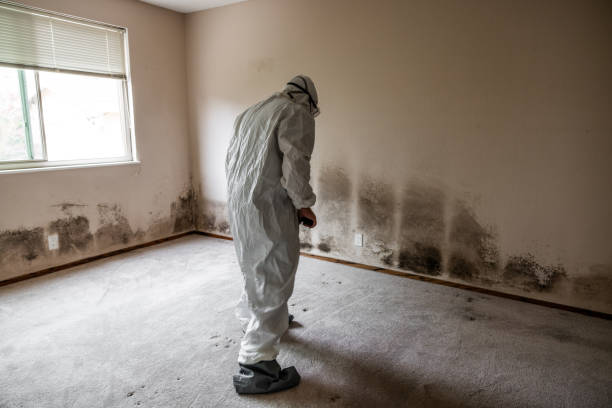
Mold growth in homes and commercial properties is a serious concern that goes beyond unsightly stains on walls or ceilings. While surface mold might appear minor, hidden colonies can cause extensive damage, compromise indoor air quality, and pose significant health risks. Understanding the difference between surface mold removal and professional mold remediation cleanup services is essential for homeowners, property managers, and business owners seeking to protect both their property and health.
The Risks of Mold Exposure
Mold thrives in damp, humid environments and can quickly spread if left unchecked. While small patches of mold on surfaces may seem harmless, prolonged exposure can lead to health problems. Common issues associated with mold exposure include:
- Respiratory problems such as coughing, wheezing, and shortness of breath
- Allergic reactions, including sneezing, itchy eyes, and skin rashes
- Aggravation of asthma or other chronic respiratory conditions
- Fatigue and headaches in sensitive individuals
Mold can also damage building materials. It feeds on organic matter, causing wood, drywall, and insulation to deteriorate over time. In commercial properties, unchecked mold can compromise structural integrity and even lead to costly renovations.
Surface Mold Removal: What It Is
Surface mold removal is the process of cleaning visible mold growth from non-porous surfaces like tiles, glass, or painted walls. This approach often involves the use of cleaning agents, scrubbing, and sometimes mild disinfectants. While surface cleaning can remove visible mold, it does not address hidden colonies or mold embedded in porous materials such as wood, drywall, or carpets.
Key characteristics of surface mold removal include:
- Limited Scope: Only visible mold on the surface is removed
- DIY Friendly: Homeowners can attempt removal with cleaning solutions and protective gear
- Temporary Results: Hidden mold can continue to grow and reappear, especially if moisture persists
Surface cleaning may be suitable for small, contained areas, but it is not effective for extensive infestations or situations where mold has penetrated porous materials.
Mold Remediation Services: A Comprehensive Solution
Professional mold remediation services provide a thorough, long-term solution for mold infestations. These services go beyond surface cleaning by addressing both visible and hidden mold, preventing future growth, and safeguarding indoor air quality.
Certified mold remediation specialists follow a structured process that typically includes:
- Assessment and Inspection: Using moisture meters, thermal imaging, and visual inspections, professionals identify both surface and hidden mold.
- Containment: Affected areas are isolated to prevent cross-contamination during cleanup.
- Removal of Contaminated Materials: Porous materials like drywall, insulation, and carpeting that are heavily infested are safely removed.
- Cleaning and Disinfection: Non-porous surfaces are cleaned with industrial-grade cleaning agents, and antimicrobial treatments are applied.
- Drying and Dehumidification: Industrial dehumidifiers and air movers ensure that moisture levels are reduced, preventing regrowth.
- Restoration: Repaired or replaced materials restore the property to its pre-mold condition.
Mold remediation services ensure that mold is fully removed, underlying moisture issues are addressed, and the property is safe for occupancy.
Differences Between Surface Removal and Professional Remediation
The key differences between surface mold removal and professional mold remediation services are significant:
| Aspect | Surface Mold Removal | Mold Remediation Services |
| Scope | Only visible mold | Visible and hidden mold |
| Effectiveness | Temporary | Long-term solution |
| Materials Addressed | Non-porous surfaces | Non-porous and porous materials |
| Health Protection | Limited | Comprehensive, reduces mold exposure risks |
| Moisture Control | Often ignored | Includes drying and dehumidification |
| Professional Expertise | Minimal | Certified specialists using advanced tools |
Choosing the right approach depends on the extent of mold growth and the risk it poses. While surface cleaning may suffice for small, isolated patches, professional remediation is the only reliable solution for widespread or hidden infestations.
Identifying When Professional Remediation Is Needed
Not all mold issues require professional services, but certain signs indicate that remediation is necessary:
- Mold covers a large area (typically more than 10 square feet)
- Mold has penetrated walls, ceilings, or flooring
- Persistent musty odors or dampness remain after cleaning
- Occupants experience health symptoms related to mold exposure
- Mold returns after repeated surface cleaning attempts
In these cases, hiring certified mold remediation professionals is the safest and most effective course of action.
Health and Safety Considerations
Mold exposure can have serious health consequences, particularly for children, elderly individuals, and those with weakened immune systems. In addition to respiratory issues, prolonged exposure may lead to chronic fatigue, sinus infections, and other complications.
Professional remediation services prioritize safety by:
- Using personal protective equipment (PPE) for technicians
- Containing affected areas to prevent cross-contamination
- Employing HEPA filtration to remove airborne mold spores
- Disposing of contaminated materials safely
These precautions minimize health risks and ensure that both workers and occupants are protected during the cleanup process.
Cost Considerations: Short-Term vs Long-Term
Surface mold removal is often less expensive upfront, as it involves simple cleaning techniques and minimal equipment. However, it is frequently a temporary solution. Hidden mold or ongoing moisture issues can lead to recurring infestations, increased health risks, and more costly repairs in the future.
Mold remediation services, while more expensive initially, provide a comprehensive solution that addresses the root causes of mold growth. By eliminating both visible and hidden mold, and by managing moisture, these services prevent future infestations and reduce long-term costs associated with property damage and health concerns.
Preventing Mold Growth After Remediation
After mold has been professionally removed, it is essential to address the conditions that allowed it to thrive. Key preventive measures include:
- Moisture Control: Repair leaks, improve ventilation, and use dehumidifiers in damp areas.
- Regular Inspections: Monitor basements, attics, and crawl spaces for signs of moisture or mold.
- Proper Cleaning Practices: Use mold-resistant cleaning agents and maintain clean, dry surfaces.
- Education: Occupants should understand the signs of mold growth and act quickly to address any water intrusion.
By addressing moisture and environmental factors, property owners can significantly reduce the likelihood of future mold infestations.
DIY Limitations and Risks
While DIY surface mold removal can seem appealing, it comes with limitations and risks:
- Hidden mold may be missed, allowing it to grow and spread
- Improper handling can increase mold exposure, leading to health risks
- Inadequate cleaning can result in persistent odors and contamination
- Porous materials may be damaged further if not properly remediated
For extensive infestations or areas affected by moisture, professional mold remediation services are the safest and most effective option.
Choosing the Right Mold Remediation Service
When selecting a professional service, consider the following factors:
- Certifications: Look for technicians trained according to IICRC or other industry standards.
- Experience: Providers with extensive experience in residential and commercial properties handle complex situations effectively.
- Equipment: Advanced tools like moisture meters, HEPA air scrubbers, and dehumidifiers ensure thorough remediation.
- Comprehensive Services: The provider should handle assessment, containment, removal, cleaning, drying, and restoration.
A qualified provider ensures that mold is fully eliminated, indoor air quality is restored, and occupants are protected from health risks.
Conclusion
Mold growth is a hidden but serious problem that can affect both property and health. While surface mold removal may provide a temporary fix for small, visible patches, it does not address hidden mold or underlying moisture issues. Professional mold remediation services offer a comprehensive solution that eliminates mold, restores structural safety, and prevents future infestations.
Mold exposure can lead to respiratory issues, allergic reactions, and long-term health problems, making professional remediation not just a convenience, but a critical step in safeguarding your property and well-being. By understanding the differences between surface cleaning and full-scale remediation, property owners can make informed decisions, protect their investments, and ensure a safe, healthy environment.
Investing in professional mold remediation is not just about cleaning—it’s about restoring safety, protecting health, and preventing recurring problems that could cost far more in the long run.
