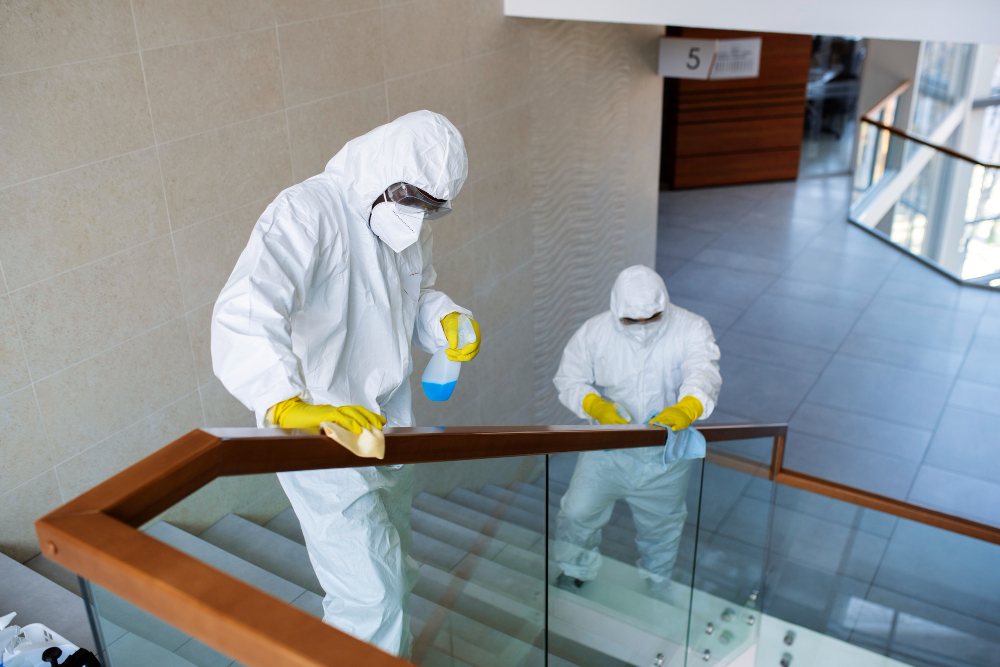
In the restoration industry, few problems are as underestimated—and as persistent—as indoor fungal contamination. It often starts subtly: a faint musty odor in the basement, a dark patch along a bathroom ceiling, or a tenant complaining about recurring allergy-like symptoms. By the time professionals are called, what appeared minor has often been spreading behind walls, under flooring, or within insulation for months.
Those who work in mould removal services quickly learn that surface cleaning is rarely the full story. Effective remediation requires investigation, containment, technical knowledge, and disciplined process control. Cutting corners doesn’t just leave stains behind—it leaves moisture sources unaddressed and spores free to resettle.
This article draws from hands-on field experience in residential and commercial environments, offering realistic insight into how remediation should be approached and what property owners need to understand before hiring a contractor.
Why Mould Problems Are Frequently Mismanaged
One of the most common industry challenges is misdiagnosis. Homeowners often attempt to wipe visible growth with bleach or household cleaners. While this may lighten the stain temporarily, it does little to address root causes. Porous materials like drywall, insulation, and wood framing can harbor growth beneath the surface.
In multi-unit buildings, the issue becomes more complex. Moisture can migrate between units. HVAC systems may distribute spores. Inadequate ventilation in bathrooms or kitchens can accelerate colonization.
Professionals in mould removal services know that moisture control is the central factor. Without correcting leaks, condensation, or humidity imbalance, remediation becomes cosmetic rather than corrective.
The Critical Role of Mold Removal Inspection
Before any material is removed, a thorough mold removal inspection is essential. Skipping this step often leads to incomplete remediation.
A proper assessment includes:
- Identifying the moisture source (plumbing leaks, roof intrusion, poor drainage, etc.)
- Measuring humidity levels
- Inspecting hidden cavities where growth is suspected
- Evaluating HVAC involvement
- Determining the extent of affected materials
In many cases, contamination is larger than initially visible. For example, a small patch under a sink may connect to saturated subflooring or wall cavities. Conversely, not every discoloration indicates active growth; some may be old staining without current moisture.
Accurate inspection protects both the property owner and the remediation team. It establishes scope, reduces liability, and prevents unnecessary demolition.
What Professional Remediation Actually Involves
Effective mould removal services follow structured protocols rather than improvisation. While the exact approach depends on severity, most professional projects involve several core steps.
1. Containment
Affected areas are isolated using plastic sheeting and negative air pressure systems. This prevents spores from spreading to unaffected spaces during removal.
In occupied properties, containment is particularly important. Improper isolation can worsen air quality throughout the structure.
2. Air Filtration
HEPA-filtered air scrubbers are deployed to capture airborne particles. This is not optional in moderate to heavy contamination scenarios.
Field experience shows that skipping air filtration often results in cross-contamination—especially in homes with open floor plans.
3. Removal of Affected Materials
Porous materials that cannot be effectively cleaned are removed and disposed of properly. This may include drywall, carpeting, insulation, or ceiling tiles.
Non-porous surfaces are cleaned using industry-approved antimicrobial solutions, not household disinfectants.
4. Drying and Moisture Control
Industrial-grade dehumidifiers and air movers are used to restore normal moisture levels. Without this step, regrowth is highly likely.
5. Verification
In some projects, post-remediation verification testing is conducted to confirm that conditions have returned to acceptable levels.
Each step serves a purpose. When one is omitted, long-term effectiveness is compromised.
Common Mistakes Property Owners Make
After years in the field, certain patterns repeat themselves.
Delaying professional evaluation. Small leaks behind appliances or within crawlspaces often go unnoticed until structural damage occurs.
Choosing the lowest bid without reviewing methodology. Remediation pricing varies for a reason. Contractors who do not include containment or air filtration are not offering equivalent service.
Ignoring the source of moisture. Removing contaminated material without repairing roof leaks or improving ventilation is ineffective.
Attempting large-scale DIY removal. While small, surface-level cleaning in well-ventilated areas may be manageable, extensive contamination requires protective equipment and containment systems.
Responsible professionals are transparent about scope and limitations. Not every situation requires full-scale remediation, but accurate assessment determines that threshold.
Health and Indoor Air Quality Considerations
Reactions to indoor mould vary. Some individuals experience respiratory irritation, headaches, or aggravated asthma. Others notice minimal immediate symptoms.
From a professional standpoint, remediation decisions are based on environmental conditions, not symptom severity alone. Visible growth, moisture intrusion, and elevated humidity justify corrective action even if occupants report no acute issues.
It is also important to clarify limitations. Remediation addresses environmental contamination; it is not a medical treatment. Those experiencing health concerns should consult qualified healthcare providers.
This balanced approach builds trust. Exaggerated claims about guaranteed health improvements undermine credibility.
Residential vs. Commercial Projects
The complexity of mould removal services increases significantly in commercial environments.
In office spaces, projects must often be phased to allow business continuity. In healthcare facilities or schools, air quality standards are more stringent, and documentation requirements are higher.
Commercial projects may involve:
- Coordination with facility managers
- Compliance with occupational safety regulations
- Detailed reporting and clearance documentation
- After-hours scheduling
Residential projects, while generally smaller in scale, can present emotional stress. Homeowners may worry about structural damage or family health. Clear communication and step-by-step explanation reduce anxiety and prevent misunderstandings.
Transparency and Documentation Matter
Professional remediation is not only about removing contamination—it is about demonstrating that proper procedures were followed.
Documentation typically includes:
- Moisture readings before and after drying
- Photographs of affected areas
- Scope-of-work reports
- Disposal records where applicable
This protects property owners in coverage claims and real estate transactions. In the absence of documentation, disputes are common.
Experienced providers understand that credibility is built through process discipline, not marketing claims.
When Is Remediation Truly Necessary?
Not every discoloration warrants demolition. Minor surface growth caused by temporary condensation may be resolved with cleaning and improved ventilation.
However, remediation becomes necessary when:
- Growth covers larger surface areas
- Materials are saturated
- There is persistent musty odor
- Structural components are involved
- Occupants report recurring issues in the same area
Professional judgment, supported by mold removal inspection findings, determines the appropriate course of action.
Over-treatment wastes resources. Under-treatment prolongs the problem.
An Honest Perspective on Long-Term Prevention
Remediation solves contamination; prevention addresses conditions that allow it to develop.
Effective prevention strategies include:
- Maintaining indoor humidity below recommended thresholds
- Ensuring proper bathroom and kitchen ventilation
- Promptly repairing plumbing leaks
- Monitoring basements and crawlspaces
- Improving drainage around foundations
Even the best mould removal services cannot compensate for chronic moisture problems left unresolved.
In long-term property management, prevention consistently proves more cost-effective than reactive repair.
Conclusion: Informed Decisions Lead to Better Outcomes
Indoor fungal contamination is rarely just a cosmetic issue. It reflects moisture imbalance, building vulnerabilities, or maintenance gaps. Addressing it properly requires technical knowledge, methodical procedures, and honest communication.
Professional mould removal services are most effective when preceded by accurate assessment, supported by containment and drying protocols, and followed by preventive action. Quick fixes may appear less disruptive in the short term, but they often create recurring expenses.
For property owners, the key is not urgency alone—it is informed action. Understanding what proper remediation entails allows for better contractor selection, realistic expectations, and sustainable results.
Frequently Asked Questions
1. How do I know if I need professional mould removal?
If contamination covers a significant area, involves porous materials, or keeps returning despite cleaning, professional assessment is recommended.
2. What happens during a mold removal inspection?
A trained technician evaluates moisture sources, inspects hidden areas, measures humidity, and determines the extent of affected materials.
3. Is it safe to stay in the property during remediation?
It depends on the size and location of the affected area. Proper containment reduces risk, but temporary relocation may be advised in larger projects.
4. How long does remediation usually take?
Small projects may take one to two days. Larger or structurally complex cases can take longer, depending on drying time and repairs needed.
5. Can mould return after removal?
Yes, if the underlying moisture source is not resolved. Effective drying and prevention measures are essential to reduce recurrence.
