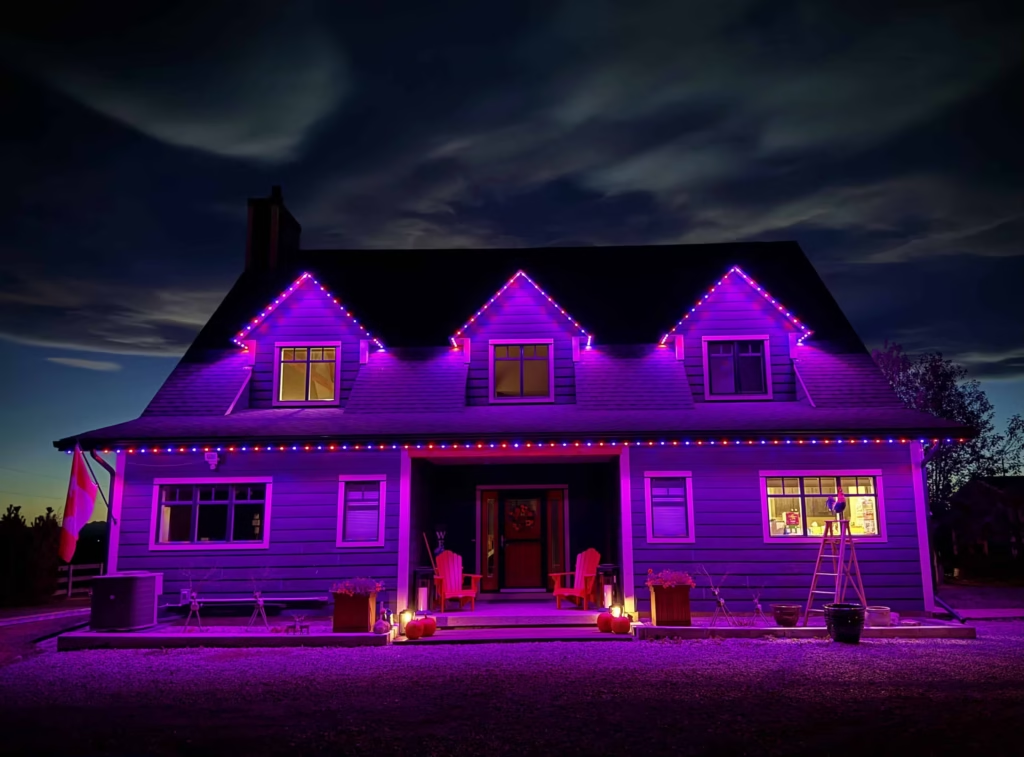
Outdoor lighting has traditionally been treated as an afterthought—something added during holidays or special occasions and removed just as quickly. Over time, this cycle creates recurring costs, inconsistent results, and, in many cases, safety concerns due to temporary wiring and rushed installations. In regions with harsh seasonal changes, like Calgary, these challenges become even more noticeable. This is where permanent LED smart lighting begins to shift the conversation from temporary décor to long-term functionality.
Professionals working in exterior lighting have observed a steady transition in homeowner priorities. Instead of focusing only on seasonal aesthetics, many are now looking for durable, year-round solutions that combine convenience, efficiency, and subtle architectural enhancement.
Understanding Permanent LED Smart Lighting Beyond the Basics
At its core, permanent LED smart lighting refers to fixed lighting systems installed along rooflines or architectural features, designed to remain in place throughout the year. Unlike temporary setups, these systems are integrated into the structure, often blending seamlessly with the home’s exterior.
From a technical standpoint, these systems rely on low-voltage LED modules controlled via smart applications. This allows users to adjust brightness, colors, and schedules without physically interacting with the hardware. However, what often gets overlooked is how much planning goes into making these systems effective rather than intrusive.
Experienced installers emphasize that placement, spacing, and angle of illumination play a critical role. Poorly installed lighting can create glare, uneven brightness, or even diminish the visual appeal of the home rather than enhance it.
Real-World Observations from Installations in Cold Climates
In colder climates, environmental stress becomes a defining factor in performance. Installers frequently encounter issues such as brittle wiring, moisture intrusion, and adhesive failures in systems that were not designed for extreme temperatures.
For example, one common observation is the failure of low-grade adhesive clips during winter. When temperatures drop significantly, materials contract, and weaker mounting systems can loosen or detach. Over time, this not only affects aesthetics but also introduces maintenance challenges.
Professionals working in Calgary have noted that weather-resistant housing and proper sealing are not optional features—they are essential. Systems that account for snow accumulation, ice formation, and UV exposure tend to maintain both performance and appearance over longer periods.
Practical Benefits That Go Beyond Holiday Use
While many homeowners initially consider these systems for festive lighting, their utility extends far beyond that purpose. A well-designed setup can support multiple everyday functions:
- Ambient exterior lighting for patios and outdoor spaces
- Security enhancement through scheduled illumination
- Architectural highlighting to emphasize design features
- Event-based customization for gatherings or celebrations
What stands out in long-term use is the ability to adapt lighting without reinstalling anything. Instead of climbing ladders or replacing fixtures, adjustments can be made through a mobile interface.
However, experienced users often recommend moderation. Overly bright or constantly changing lighting patterns can reduce the intended elegance and may even disturb neighbors in residential areas.
Common Mistakes Homeowners Tend to Make
Despite the advantages, there are recurring mistakes that professionals frequently encounter:
1. Prioritizing Cost Over Durability
Lower-cost systems may appear attractive initially but often lack weather resistance and reliable components. Over time, repair and replacement costs can exceed the original savings.
2. Ignoring Professional Design Input
Lighting is not just about installation—it involves design. Incorrect spacing or poor placement can lead to uneven illumination.
3. Overcomplicating Controls
While smart systems offer extensive customization, overly complex setups can become difficult to manage. Many homeowners end up using only a fraction of the available features.
4. Neglecting Maintenance Planning
Although these systems are marketed as low-maintenance, they are not maintenance-free. Dust accumulation, wiring checks, and occasional recalibration are part of long-term upkeep.
How to Approach Installation with a Long-Term Perspective
A thoughtful approach to installation can significantly improve both performance and longevity. Industry professionals typically recommend starting with a clear understanding of the home’s architectural lines.
Key considerations include:
- Material compatibility with the home’s exterior
- Access points for future servicing
- Proper sealing against moisture and debris
- Consistent spacing for balanced illumination
Another practical recommendation is to test lighting scenarios before finalizing installation. Temporary mock setups can help visualize how different colors and brightness levels interact with the home’s façade.
Limitations and Honest Considerations
While permanent LED smart lighting offers clear advantages, it is not without limitations. One of the most common concerns is the upfront investment. Compared to temporary lighting, the initial cost is higher due to materials, labor, and system integration.
There is also a learning curve associated with smart controls. Not all users are comfortable navigating apps or configuring schedules, especially in the beginning.
Additionally, aesthetic preferences can change over time. A lighting design that feels modern today may not align with future trends or personal tastes. This is why flexibility in customization is an important factor to consider during system selection.
Maintenance Realities Most People Don’t Talk About
Even high-quality systems require occasional attention. Dust, environmental residue, and seasonal debris can affect light output over time. In colder regions, snow buildup may temporarily block or diffuse light, altering its appearance.
Routine checks—particularly before winter and after heavy storms—can help identify minor issues before they escalate. Professionals often suggest scheduling an annual inspection to ensure wiring, connections, and control systems remain in optimal condition.
Choosing the Right System Without Overcomplicating It
Selecting the right setup doesn’t necessarily mean choosing the most advanced or feature-heavy option. In many cases, simpler systems with reliable performance deliver better long-term satisfaction.
Key factors to evaluate include:
- Build quality and weather resistance
- Ease of control and user interface
- Availability of support and servicing
- Compatibility with existing home systems
Homeowners who take a balanced approach—focusing on both functionality and design—tend to achieve more consistent results.
Why Homeowners Are Moving Toward Permanent LED Smart Lighting
The shift toward permanent LED smart lighting is not driven by trends alone. It reflects a broader change in how homeowners view exterior spaces. Lighting is no longer just decorative—it is part of the home’s overall design, usability, and safety strategy.
From a professional standpoint, the most successful installations are those that prioritize subtlety, durability, and adaptability rather than excessive brightness or constant visual effects.
Prairie Lighting and the Future of Exterior Illumination
As more homeowners explore long-term lighting solutions, companies like Prairie Lighting continue to refine installation practices and system designs based on real-world performance. The focus is gradually shifting from temporary visual impact to sustainable, well-integrated lighting that complements both the home and its environment
Frequently Asked Questions
1. Is permanent LED smart lighting suitable for all types of homes?
Most homes can support these systems, but installation methods may vary depending on roof design and exterior materials.
2. How long do these lighting systems typically last?
High-quality LED systems can last several years, though performance depends on environmental conditions and maintenance.
3. Can the lighting be customized for different occasions?
Yes, most systems allow users to adjust colors, brightness, and schedules through a mobile app.
4. Does installation require structural changes?
In most cases, no major structural modifications are needed, but proper mounting and wiring are essential.
5. Are these systems energy-efficient?
LED technology is generally energy-efficient compared to traditional lighting options.
