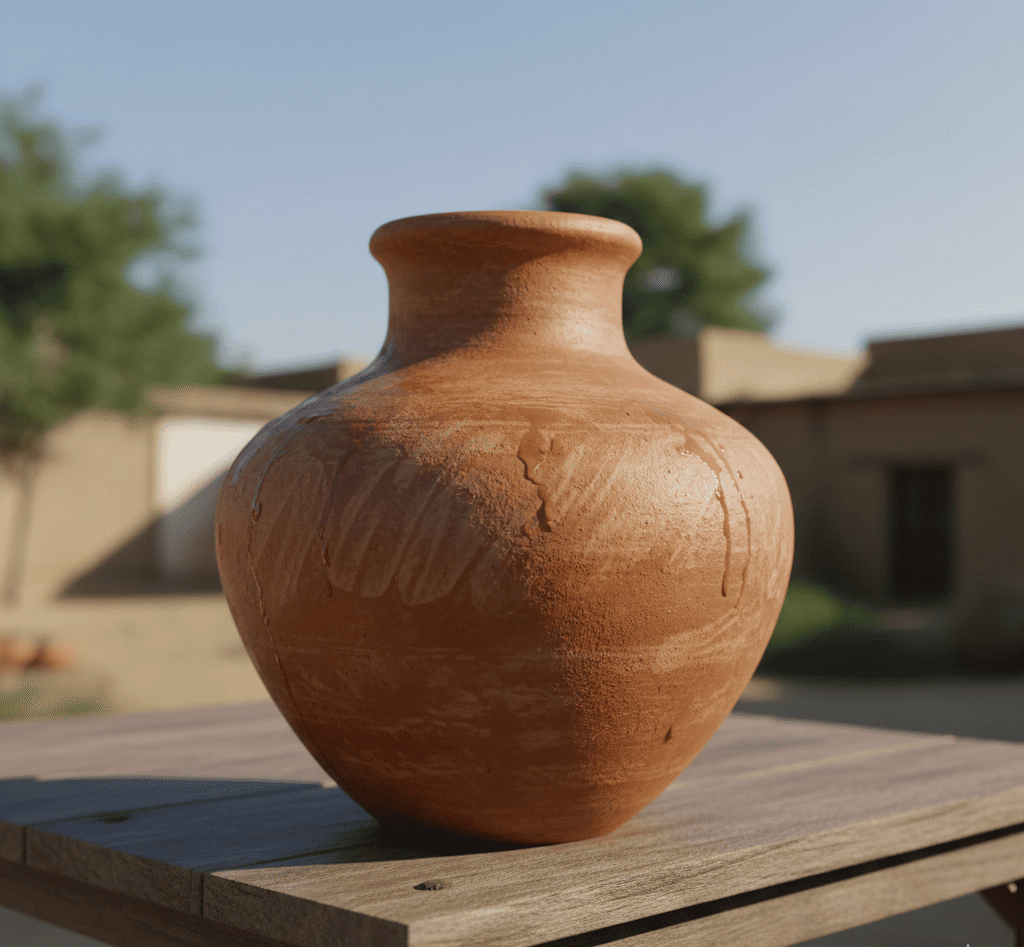
Discover the benefits of cooking with an earthen pot, including healthier meals, better flavor, and eco-friendly living. Learn tips, solutions to common problems, and where to buy quality clay cookware.
In recent years, people across the world have been rediscovering the benefits of traditional cooking methods. Among them, the earthen pot has gained massive popularity for its natural, healthy, and eco-friendly qualities. While modern cookware like non-stick pans and stainless steel pots dominate most kitchens, many households are returning to clay cookware because of its ability to enhance flavor and provide numerous health benefits.
However, many people still hesitate to use an earthen pot because they are unsure about how it works, how to maintain it, and whether it is worth the switch.
This comprehensive guide will explain everything you need to know about using an earthen pot, including the benefits, common customer pain points, and practical solutions. If you’re considering switching to clay cookware, this article will help you make an informed decision.
What Is an Earthen Pot?
An earthen pot is a cooking vessel made from natural clay that is shaped and fired in a kiln. It has been used for thousands of years in traditional kitchens across India, Africa, the Middle East, and many other parts of the world.
Clay cookware is completely natural and free from synthetic coatings or harmful chemicals. Because of its porous structure, an earthen pot allows heat and moisture to circulate slowly, making food more flavorful and nutritious.
Unlike modern cookware that often cooks food quickly at high temperatures, an earthen pot supports slow cooking, which helps preserve nutrients and improve taste.
Why People Are Returning to Earthen Pot Cooking
Many modern kitchen products promise convenience but come with hidden drawbacks such as chemical coatings, overheating, and poor heat distribution.
The earthen pot offers a healthier and more sustainable alternative. Here are some reasons why people are switching back to clay cookware.
1. Healthier Cooking
Clay cookware is completely natural and does not release harmful toxins when heated. Unlike non-stick cookware that may release chemicals at high temperatures, an earthen pot maintains food purity.
2. Better Taste
Food cooked in clay pots retains moisture and natural oils, making dishes richer and more aromatic. Traditional dishes like curries, stews, biryani, and lentils taste significantly better when prepared in an earthen pot.
3. Natural Alkalinity
Clay is alkaline in nature and helps neutralize acidity in food. This improves digestion and supports overall gut health.
4. Energy Efficient Cooking
Because earthen pots distribute heat evenly, they require less energy and lower cooking temperatures.
5. Environmentally Friendly
Unlike plastic or metal cookware, clay pots are biodegradable and have minimal environmental impact.
Common Customer Pain Points When Using an Earthen Pot
Although the earthen pot offers many advantages, some people hesitate to use it because of certain challenges. Understanding these concerns and their solutions can help you enjoy the full benefits of clay cookware.
Pain Point 1: Fear of Cracking or Breaking
One of the biggest concerns customers have is that an earthen pot might crack or break during cooking.
Why It Happens
Clay cookware can crack if exposed to sudden temperature changes or improper handling.
Solution
To prevent cracking:
- Always season the pot before first use.
- Start cooking on low heat.
- Avoid placing a cold pot directly on high flame.
- Do not pour cold water into a hot pot.
Proper care significantly increases the durability of your earthen pot.
Pain Point 2: Lack of Knowledge About Seasoning
Many first-time users are confused about how to season an earthen pot before cooking.
Why Seasoning Is Important
Seasoning strengthens the clay and seals tiny pores, making the pot more durable and suitable for cooking.
Simple Seasoning Process
- Soak the earthen pot in water for 6–12 hours.
- Let it dry naturally.
- Rub the inside with cooking oil.
- Heat the pot slowly with water or rice starch.
This process prepares the clay for regular cooking.
Pain Point 3: Slow Cooking Time
Some people feel that cooking in an earthen pot takes longer compared to modern cookware.
Why Cooking Is Slower
Clay retains heat and cooks food gradually. This slow cooking process actually improves flavor and nutrition.
Solution
Plan meals accordingly and start cooking slightly earlier. The reward is healthier, more flavorful food.
Many chefs consider clay pot cooking superior because it locks in natural juices.
Pain Point 4: Maintenance and Cleaning Concerns
Customers often worry about cleaning and maintaining clay cookware.
Solution
Cleaning an earthen pot is simple:
- Use warm water and a soft sponge.
- Avoid harsh detergents.
- Let the pot dry completely before storing.
Because clay is porous, using minimal soap preserves the pot’s natural cooking properties.
Pain Point 5: Compatibility With Modern Kitchens
Some people assume that earthen pots cannot be used on modern stoves.
Solution
Most clay cookware can be used on:
- Gas stoves
- Electric stoves
- Traditional wood fires
However, always start with low heat and gradually increase temperature.
This ensures safe and effective cooking.
Health Benefits of Cooking in an Earthen Pot
Cooking with an earthen pot offers several health benefits that modern cookware often lacks.
Nutrient Retention
Slow cooking preserves vitamins and minerals that may be destroyed by high heat.
Improved Digestion
The alkaline nature of clay balances acidity in food, which can help improve digestion.
Reduced Oil Usage
Clay pots retain moisture, meaning you can cook with less oil without sacrificing flavor.
No Toxic Chemicals
Unlike some non-stick coatings, clay pots do not release harmful substances.
Popular Dishes Cooked in Earthen Pots
The versatility of an earthen pot makes it suitable for many dishes, including:
- Traditional curries
- Rice dishes like biryani
- Soups and stews
- Lentils and dals
- Slow-cooked meats
- Vegetable dishes
Many traditional recipes were originally designed for clay cookware, which explains their rich flavor.
Earthen Pots and Sustainable Living
Sustainability has become an important priority for modern consumers. The earthen pot fits perfectly into eco-friendly lifestyles.
Natural Materials
Clay is sourced from the earth and requires minimal processing.
Biodegradable
Unlike metal or plastic cookware, clay eventually returns to the soil without harming the environment.
Supports Local Artisans
Many earthen pots are handcrafted by skilled artisans, helping preserve traditional craftsmanship and local economies.
Tips for First-Time Earthen Pot Users
If you are new to clay cookware, these tips will help you get started.
Start With Simple Recipes
Begin with soups, lentils, or rice dishes to understand how the pot cooks food.
Use Low to Medium Heat
High heat is not necessary for clay cooking.
Allow Gradual Temperature Changes
Avoid sudden heating or cooling to prevent cracks.
Store Properly
Make sure the pot is completely dry before storing it in your kitchen.
Why Quality Matters When Buying an Earthen Pot
Not all clay cookware is made the same. Poor-quality pots may contain impurities or weak clay that cracks easily.
When choosing an earthen pot, look for:
- Natural, chemical-free clay
- Handcrafted production methods
- Proper firing and finishing
- Trusted sellers or brands
Buying from a reliable source ensures durability and safe cooking.
The Growing Demand for Traditional Clay Cookware
The demand for earthen pots has grown significantly as people seek healthier and more sustainable cooking solutions.
Health-conscious consumers, home chefs, and eco-friendly households are embracing clay cookware as a way to reconnect with traditional cooking methods while improving their overall well-being.
Restaurants and professional chefs are also adopting clay pots to enhance the authenticity and taste of traditional recipes.
Conclusion
The earthen pot is more than just a traditional cooking vessel—it represents a healthier, more sustainable way of preparing food. From enhancing flavor and preserving nutrients to supporting eco-friendly living, clay cookware offers benefits that modern kitchen tools often cannot match.
While beginners may experience concerns about cracking, seasoning, or maintenance, these challenges are easy to overcome with proper knowledge and care. Once you start cooking in an earthen pot, you will likely notice the difference in taste, texture, and nutritional quality of your meals.
If you are looking for authentic, high-quality clay cookware, MudKart is a trusted platform dedicated to bringing traditional earthen products to modern homes. Their collection of handcrafted earthen pots is designed to combine traditional craftsmanship with modern usability, helping customers enjoy healthier and more flavorful cooking.
Call to Action
Ready to transform your cooking experience? Explore the premium range of handcrafted earthen cookware at https://mudkart.com/ and bring the natural goodness of clay cooking into your kitchen today.
