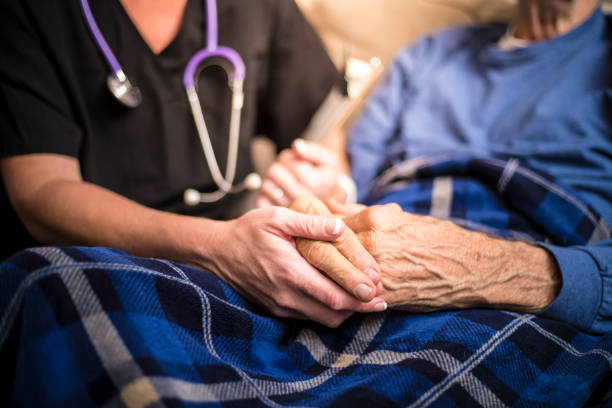
As we age, maintaining a high quality of life becomes a priority for both individuals and their families. Seniors, in particular, face a unique set of challenges that can affect their physical health, emotional well-being, and overall quality of life. With advancements in healthcare and an increased focus on elderly care, personalized care has emerged as a powerful tool to improve the lives of seniors.
Personalized care, also known as individualized or tailored care, refers to providing medical and personal services that are specifically designed to meet the unique needs of each individual. Unlike standard care approaches, which offer generalized solutions to a broad group of patients, personalized care takes into account the physical, emotional, social, and mental needs of the senior. This approach is increasingly seen as a fundamental aspect of senior healthcare, enhancing the quality of life in profound ways. In this article, we will explore how personalized care positively impacts seniors’ lives.
1. Improved Health Outcomes
One of the most significant advantages of personalized care is its ability to improve health outcomes for seniors. As people age, they often experience multiple chronic conditions such as heart disease, diabetes, arthritis, and dementia. Standardized healthcare methods may not effectively address the complex, interrelated needs of seniors with multiple health issues.
Personalized care ensures that healthcare professionals tailor their approach to the specific needs of the individual. For example, a senior with both diabetes and heart disease may require different treatments and lifestyle recommendations than a senior with only one of these conditions. Personalized care allows for the creation of a comprehensive care plan that addresses all aspects of the individual’s health, which leads to better disease management, fewer complications, and improved overall health.
By integrating personalized medical treatments with regular monitoring, seniors benefit from early detection of potential health problems and timely interventions. This proactive approach not only improves health but also prevents the exacerbation of existing conditions, leading to a longer, healthier life.
2. Enhanced Emotional and Mental Well-being
The emotional and mental health of seniors is just as important as their physical health. As people age, they may face feelings of loneliness, isolation, depression, and anxiety, especially if they live alone or are unable to participate in social activities. These emotional challenges can significantly impact their quality of life and overall well-being.
Personalized care recognizes the importance of mental health and strives to incorporate emotional and psychological support into the care plan. Caregivers who offer personalized care take the time to understand the senior’s emotional needs, preferences, and life history. This connection fosters a sense of companionship, which can alleviate feelings of isolation and loneliness.
Personalized care also encourages seniors to stay mentally engaged through activities they enjoy, such as reading, puzzles, or creative hobbies. Caregivers may recommend activities that are cognitively stimulating and emotionally rewarding. For seniors with dementia or other cognitive impairments, personalized care may include memory care activities designed to maintain cognitive function and enhance mental well-being.
Moreover, personalized care plans often include counseling or therapy for seniors dealing with depression or anxiety. This support ensures that seniors are not only physically cared for but emotionally supported as well.
3. Improved Mobility and Independence
Seniors often experience a decline in mobility due to age-related conditions like arthritis, muscle weakness, or osteoporosis. This loss of mobility can severely impact their independence and quality of life, as they may become reliant on others for even basic tasks like getting out of bed, dressing, or going for walks.
Personalized care can significantly improve mobility by tailoring interventions to suit the individual’s needs. For example, a caregiver might design a customized exercise program to improve strength, flexibility, and balance. A personalized care plan may also involve providing mobility aids, such as walkers or wheelchairs, that are specifically suited to the senior’s needs and home environment.
Personalized care providers often work with physical therapists to create a rehabilitation plan that addresses the specific areas where seniors experience difficulties. Whether it’s help with walking, getting up from a chair, or standing up from bed, seniors benefit from individualized attention that promotes greater independence. As mobility improves, seniors are able to enjoy greater freedom and engage in activities that contribute to a more fulfilling life.
4. Personalized Socialization and Family Support
Social isolation is a serious concern for many seniors, particularly those living alone or in care facilities. The lack of social interaction can lead to depression and a sense of disconnection from the world. Personalized care recognizes the importance of social relationships and incorporates socialization opportunities into the care plan.
Caregivers can facilitate social interactions by taking seniors to social events, organizing family visits, or simply spending quality time with them. Personalized care also encourages seniors to maintain relationships with their friends, family members, and community, fostering a sense of belonging and connection.
Additionally, family caregivers benefit from personalized care because it provides them with the support and guidance they need to manage caregiving responsibilities. Personalized care plans often include family education, ensuring that family members are well-equipped to support their loved ones. This reduces caregiver stress and enhances the overall family dynamic, as loved ones work together to provide the best possible care.
5. Tailored Nutrition and Dietary Plans
Proper nutrition plays a pivotal role in the health and well-being of seniors. Aging bodies often have different nutritional needs, and seniors may experience a reduced appetite, digestive issues, or difficulty chewing and swallowing. Standard dietary recommendations may not be suitable for all seniors, particularly those with specific health conditions or food sensitivities.
Personalized care addresses these issues by developing customized nutrition plans that cater to the individual’s specific needs. For example, seniors with diabetes may require a low-sugar, low-carb diet, while seniors with heart conditions may need to follow a heart-healthy diet low in sodium and fat. Personalized nutrition plans also account for any allergies or preferences the senior may have, ensuring they receive meals they enjoy while still meeting their nutritional requirements.
By focusing on individual dietary needs, personalized care helps seniors maintain healthy weight, improve digestion, and reduce the risk of malnutrition. Proper nutrition has a direct impact on energy levels, immune function, and overall health, making it a critical element of personalized care.
6. End-of-life Care and Comfort
As seniors approach the end of their lives, providing compassionate, personalized end-of-life care becomes essential. Personalized care at this stage is designed to alleviate pain, ensure comfort, and provide emotional support to both the senior and their family members.
Personalized end-of-life care focuses on the senior’s wishes, including pain management, preferred living arrangements, and spiritual or religious needs. It also involves helping family members cope with the emotional challenges of caring for a loved one in their final days.
Through a personalized approach, caregivers ensure that seniors receive the dignity, respect, and comfort they deserve in their final days, promoting a sense of peace and well-being for both the individual and their family.
7. Role of Home Care Training and Professional Carers
To deliver the highest standard of personalised care, well-trained carers are essential. Home Care Training Sligo provide carers with the essential skills and knowledge needed to offer tailored care that meets the unique needs of seniors. These programs include practical experience and training in areas such as mobility assistance, nutrition, mental health support, and medical care.
For individuals seeking rewarding careers in the senior care sector, Carers Jobs in Sligo provide opportunities to work closely with seniors and make a significant impact on their quality of life. By employing trained professionals, families can be confident that their loved ones are receiving the best possible care, whether it’s managing chronic conditions or offering companionship.
Conclusion
Personalized care has proven to be a game-changer in improving the quality of life for seniors. By focusing on the unique needs of each individual, this approach not only enhances physical health but also addresses emotional and social well-being, mobility, and independence. As the senior population grows, the demand for personalized care will continue to rise, making it crucial for trained professionals to step in and make a difference in the lives of those who need it most.
For those seeking a fulfilling and rewarding career in the elderly care sector, Carers Jobs Sligooffers excellent opportunities to make a meaningful impact. These roles provide a chance to work closely with seniors, offering tailored care that can improve their quality of life on a daily basis. By joining the workforce as a caregiver, individuals can help shape the future of senior care and support a community that values the dignity and well-being of its elderly members. Personalized care, combined with the compassionate work of caregivers, is key to ensuring that seniors live their later years with comfort, independence, and joy.
