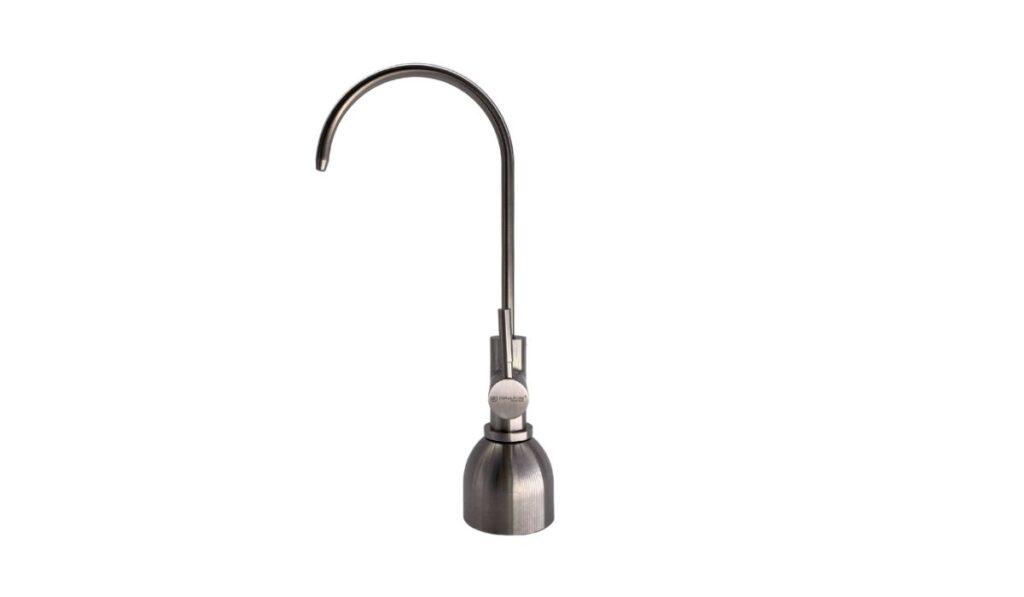
Access to clean water is something most of us take for granted—until we start questioning what actually flows out of our taps. In many modern homes, people are becoming more conscious about water quality, kitchen hygiene, and convenience. One solution that has gained attention is the portable drinking water faucet.
Unlike traditional built-in filtration taps that require drilling or complex installation, this type of faucet is designed for flexibility and ease of use. Whether you’re renting, upgrading your kitchen setup, or simply looking for a more convenient way to access filtered water, a portable solution can make a noticeable difference.
In this article, we’ll explore what a portable drinking water faucet is, how it works, its benefits, and what to consider before installing one in your home.
What Is a Portable Drinking Water Faucet?
A portable drinking water faucet is a compact, attachable tap designed to deliver clean, filtered water without requiring permanent structural changes to your sink or countertop. It is typically connected to an existing water filtration system or purifier and installed externally—meaning no drilling or major plumbing modifications are required.
Most models are made from durable materials such as stainless steel, particularly 304-grade stainless steel, which is known for its resistance to rust and corrosion. This makes them suitable for long-term use in kitchens where moisture exposure is constant.
Because of their flexible design, these faucets are ideal for:
- Rental properties
- Homes undergoing renovation
- Kitchens without spare tap holes
- Temporary setups
- Households that want separate taps for filtered and unfiltered water
Why Homeowners Are Choosing Portable Solutions
1. No Drilling Required
One of the biggest advantages is that installation does not require drilling into countertops or sinks. This makes it especially appealing for tenants who want to avoid permanent modifications.
Traditional drinking taps often require a separate hole in the sink or counter. A portable option eliminates that step, making it easier to install and remove when necessary.
2. Separate Drinking and Washing Water
Many households prefer to keep filtered drinking water separate from general tap water used for washing dishes or cleaning. A portable drinking water faucet allows you to channel purified water through a dedicated outlet, minimizing the risk of contamination.
This setup is particularly helpful for families who:
- Cook regularly
- Prepare baby formula
- Wash fruits and vegetables with filtered water
- Prefer drinking water directly from a designated tap
Material Matters: Why 304 Stainless Steel Is Common
When choosing a faucet that delivers drinking water, material safety is crucial. 304 stainless steel is widely used in food-grade applications because it:
- Resists corrosion
- Does not easily leach harmful substances
- Is durable under constant water exposure
- Is easy to clean and maintain
Unlike lower-quality metals or plastic components, stainless steel provides long-term reliability and a clean aesthetic that matches most modern kitchens.
For households concerned about hygiene and longevity, paying attention to material specifications is essential.
How It Works with Water Filtration Systems
A portable drinking water faucet typically connects to an under-sink filtration unit or countertop water purifier. Instead of routing filtered water through your main tap, the system directs purified water to the separate portable faucet.
This has several benefits:
- Reduces wear and tear on your main tap
- Prevents mixing of filtered and unfiltered water
- Allows better control over purified water usage
In some setups, it is recommended to pair the faucet with a multi-stage filtration system that includes sediment filters, carbon filters, and possibly reverse osmosis or hydrogen mineral technology, depending on your household needs.
When Does It Make the Most Sense?
While a portable drinking water faucet can suit many homes, it is particularly practical in certain scenarios.
For Frequent Home Cooks
If you cook daily, you likely use water for:
- Washing vegetables
- Rinsing rice
- Filling pots
- Making soups and beverages
Having immediate access to filtered water through a separate faucet simplifies meal preparation and reduces reliance on bottled water.
For Health-Conscious Households
Some families are concerned about:
- Chlorine taste
- Sediment
- Heavy metals
- Fluoride levels
- Total dissolved solids (TDS)
Using a separate faucet connected to a filtration system can help ensure that drinking and cooking water meets personal quality standards.
For Renters or Short-Term Residents
Portability means flexibility. If you move, you can uninstall the faucet and reinstall it in your next home, provided the setup is compatible.
Maintenance and Cleaning
Like any kitchen fixture, regular maintenance ensures optimal performance.
Routine Cleaning
- Wipe down the faucet surface to prevent water stains
- Use mild soap and a soft cloth
- Avoid abrasive cleaning pads
Check for Leaks
Occasionally inspect:
- Connection points
- Hose fittings
- Seals and washers
Early detection prevents larger plumbing issues.
Replace Filters as Scheduled
The faucet itself does not filter water—it delivers water from your filtration system. Therefore, maintaining filter cartridges is critical to preserving water quality.
Environmental and Practical Benefits
A portable drinking water faucet can contribute to more sustainable living in small but meaningful ways.
Reduced Bottled Water Usage
When filtered water is easily accessible at home, households are less likely to purchase bottled water. This reduces plastic waste and lowers long-term costs.
Energy Efficiency
Many modern filtration systems connected to these faucets are designed to operate efficiently without excessive electricity use, particularly tankless systems.
Better Water Management
Using a dedicated drinking water outlet encourages mindful usage. It separates daily cleaning water from water intended for consumption.
Design and Kitchen Aesthetics
Modern kitchens often emphasize minimalism and clean lines. Fortunately, stainless steel portable faucets blend well with:
- Contemporary interiors
- Industrial-style kitchens
- Compact apartment layouts
Because they are compact, they do not overcrowd limited counter space. Some designs are also detachable or adjustable, improving flexibility in smaller kitchens.
Common Questions Before Buying
Is installation complicated?
In most cases, installation is straightforward and does not require heavy tools. However, compatibility with your filtration system should be confirmed beforehand.
Can it handle high water pressure?
Most quality models are built to withstand standard residential water pressure. Always check manufacturer specifications to ensure compatibility with your plumbing setup.
Does it affect water taste?
The faucet itself does not alter taste; the filtration system determines water quality. A well-maintained system should deliver clean, neutral-tasting water.
Things to Consider Before Installation
Before installing a portable drinking water faucet, evaluate:
- Compatibility with your existing water filtration system
- Countertop space and sink layout
- Water pressure levels in your home
- Material quality and certifications
- Warranty and after-sales support
Making an informed decision ensures that the faucet functions effectively for years to come.
A Simple Upgrade with Practical Benefits
Upgrading your kitchen does not always require a full renovation. Sometimes, small additions can significantly improve daily routines. A portable drinking water faucet offers convenience, flexibility, and better control over the water your household consumes.
For families who value ease of installation, hygienic materials, and a dedicated outlet for purified water, this solution provides a balanced approach without permanent changes.
When considering water quality improvements at home, it’s important to focus on reliable materials, compatibility, and proper filtration support. Brands like Coral Pure Natural offer options designed for households looking for practical and adaptable drinking water solutions while maintaining a clean and functional kitchen setup.
