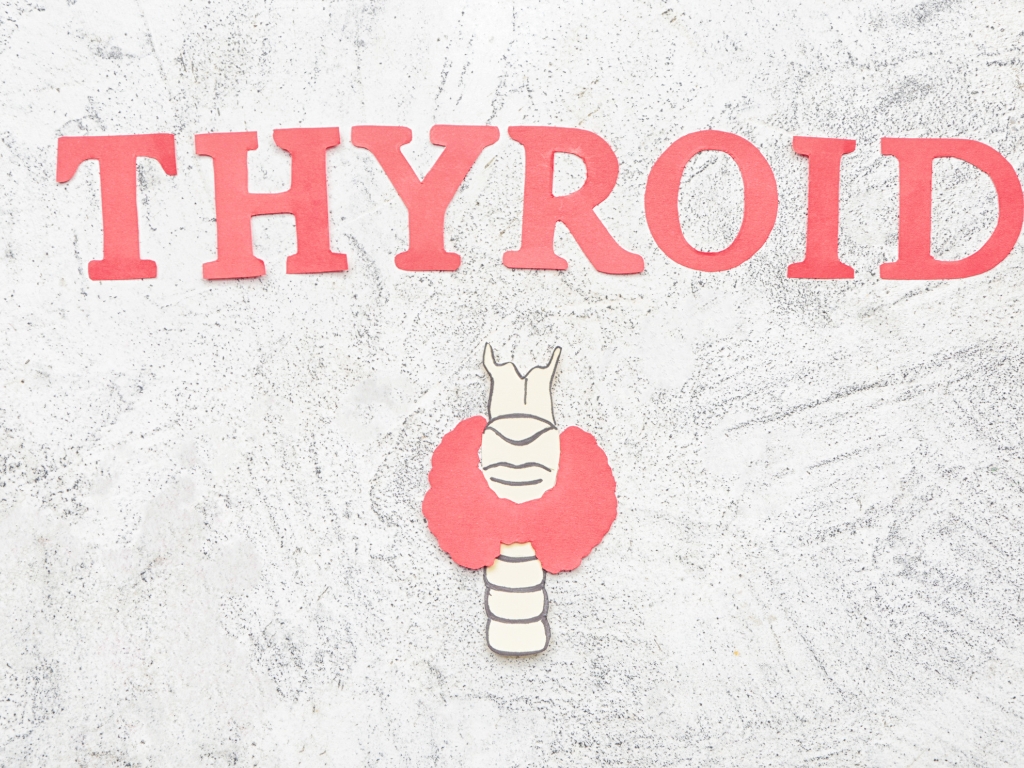
Goiter is a condition characterized by an abnormal enlargement of the thyroid gland, which is located at the base of the neck. While some goiters remain small and harmless, others grow large enough to cause discomfort, difficulty swallowing, breathing problems, and visible swelling in the neck. In such cases, doctors may recommend goiter surgery to remove part or all of the thyroid gland. This procedure, also known as thyroidectomy, can effectively treat large or symptomatic goiters and improve a patient’s quality of life.
Although goiter surgery is generally considered safe and widely performed, like any surgical procedure it carries certain risks and potential complications. Understanding these risks and learning how they can be managed helps patients feel more confident and prepared before undergoing treatment. With proper planning, expert care, and careful recovery management, most complications can be minimized or avoided altogether.
What Is Goiter Surgery and When Is It Recommended?
Goiter surgery is a medical procedure used to remove all or part of an enlarged thyroid gland. Doctors usually recommend this treatment when the goiter becomes large enough to cause symptoms or when there is a suspicion of cancer. Patients who experience difficulty breathing, swallowing issues, persistent throat pressure, or voice changes may also benefit from surgical treatment.
In some cases, medication or minimally invasive procedures may help manage smaller thyroid nodules or mild goiter conditions. However, when these approaches are not effective, goiter surgery may become the most reliable option. The procedure may involve removing one lobe of the thyroid (lobectomy) or the entire gland (total thyroidectomy), depending on the severity of the condition.
Common Risks Associated with Goiter Surgery
While most thyroid surgeries are successful, patients should be aware of the possible complications that may arise. Being informed about these risks allows individuals to take proactive steps before and after the procedure.
One of the most common concerns associated with goiter surgery is temporary pain or discomfort in the neck area. Swelling, mild bruising, and soreness are typical during the early stages of recovery. These symptoms usually improve within a few days or weeks with proper care.
Another potential risk is bleeding or infection at the surgical site. Although these complications are relatively rare, they can occur if the wound does not heal properly. Doctors usually prescribe antibiotics or provide wound care instructions to prevent infections and promote faster healing.
Patients may also experience temporary difficulty swallowing or tightness in the throat after the operation. This occurs because the thyroid gland sits close to the esophagus and surrounding tissues. In most cases, this sensation gradually improves as the tissues recover.
Risk of Voice Changes After Surgery
One of the more widely discussed risks of goiter surgery is the possibility of voice changes. The thyroid gland is located close to the recurrent laryngeal nerve, which controls the vocal cords. If this nerve becomes irritated or injured during surgery, it may cause hoarseness or a weak voice.
For most patients, voice changes are temporary and resolve within a few weeks or months. Surgeons use advanced techniques and monitoring systems during goiter surgery to reduce the risk of nerve damage. In rare cases where the nerve is permanently affected, speech therapy or additional treatments may help improve voice quality.
Hormone Imbalance After Thyroid Removal
The thyroid gland plays a crucial role in regulating metabolism through hormone production. When a large portion or the entire gland is removed during goiter surgery, the body may no longer produce enough thyroid hormones.
This condition, known as hypothyroidism, can lead to symptoms such as fatigue, weight gain, dry skin, and sensitivity to cold. Fortunately, it can be effectively managed with thyroid hormone replacement therapy. Patients simply take a daily medication that replaces the hormones the thyroid would normally produce.
Regular follow-up visits and blood tests allow doctors to monitor hormone levels and adjust medication if necessary. With proper management, most patients live completely normal and healthy lives after goiter surgery.
Calcium Level Changes and Parathyroid Gland Risk
Another potential complication related to goiter surgery involves the parathyroid glands. These small glands sit behind the thyroid and regulate calcium levels in the body. During thyroid surgery, these glands can sometimes become temporarily affected.
If the parathyroid glands are disturbed, patients may experience low calcium levels, a condition known as hypocalcemia. Symptoms may include tingling in the fingers, muscle cramps, or numbness around the lips. In most cases, this issue is temporary and resolves once the glands recover.
Doctors often monitor calcium levels closely after goiter surgery and may prescribe calcium or vitamin D supplements to prevent complications. Permanent calcium imbalance is rare, especially when the procedure is performed by experienced thyroid specialists.
Scar Formation and Cosmetic Concerns
Because goiter surgery requires an incision in the neck, some patients worry about visible scarring. Modern surgical techniques are designed to minimize scarring and place the incision in a natural skin crease whenever possible.
Over time, most surgical scars fade significantly and become barely noticeable. Patients can also use scar-reducing creams, silicone gels, or dermatologist-recommended treatments to improve the appearance of the incision area.
Some advanced medical centers even offer minimally invasive or remote-access thyroid procedures that further reduce visible scarring.
Managing Risks Before the Procedure
Proper preparation before goiter surgery can significantly reduce the likelihood of complications. Doctors typically conduct a thorough evaluation, including blood tests, imaging scans, and sometimes a biopsy, to understand the exact nature of the goiter.
Patients should provide their full medical history and inform their doctor about any medications or supplements they are taking. Certain medications, particularly blood thinners, may need to be temporarily stopped before surgery to reduce bleeding risks.
Maintaining good overall health also supports a smoother surgical experience. Eating a balanced diet, staying hydrated, and following pre-surgical instructions can help the body handle the procedure more effectively.
Post-Surgery Care and Recovery Management
Recovery plays a vital role in minimizing complications after goiter surgery. Most patients stay in the hospital for a short period of observation before returning home. During the first few days, rest is essential for proper healing.
Patients should follow all post-operative instructions provided by their surgeon. This may include keeping the incision area clean, avoiding heavy lifting, and attending scheduled follow-up appointments.
Pain management medications may be prescribed to control discomfort. Gentle neck movements and light activities can gradually resume once the doctor confirms it is safe to do so.
Regular monitoring of thyroid hormone levels and calcium levels ensures that any changes are quickly identified and treated. This proactive approach helps prevent long-term complications.
When to Contact a Doctor After Surgery
While most patients recover smoothly, it is important to recognize signs that may require medical attention. Persistent swelling, excessive bleeding, high fever, severe pain, or difficulty breathing should be reported immediately.
Additionally, symptoms such as prolonged hoarseness, muscle spasms, or tingling sensations may indicate issues with nerve or calcium levels. Early medical evaluation helps address these problems before they become serious.
Prompt communication with the healthcare provider ensures that recovery stays on track and complications are managed effectively.
The Importance of Choosing an Experienced Specialist
One of the most effective ways to reduce the risks associated with goiter surgery is selecting a skilled and experienced thyroid surgeon. Specialists who regularly perform thyroid procedures are more familiar with the delicate anatomy of the neck and the nearby nerves and glands.
Experienced surgeons use advanced techniques, precision instruments, and nerve-monitoring technology to enhance safety during the procedure. This significantly lowers the chances of complications and improves overall outcomes.
Patients should not hesitate to ask questions about the surgeon’s experience, success rates, and available treatment options before proceeding with surgery.
Conclusion
Goiter surgery is a widely performed and highly effective treatment for large or symptomatic thyroid enlargement. While the procedure does carry certain risks, most complications are uncommon and can be successfully managed with proper medical care.
Understanding the potential risks of goiter surgery empowers patients to make informed decisions about their health. From temporary voice changes to hormone adjustments, many of the challenges associated with thyroid surgery are manageable with modern medical support.
With careful preparation, expert surgical care, and attentive recovery management, patients can achieve excellent results and experience significant relief from the symptoms caused by an enlarged thyroid gland. Knowledge, communication with healthcare providers, and ongoing follow-up care all play essential roles in ensuring a safe and successful outcome after goiter surgery.
