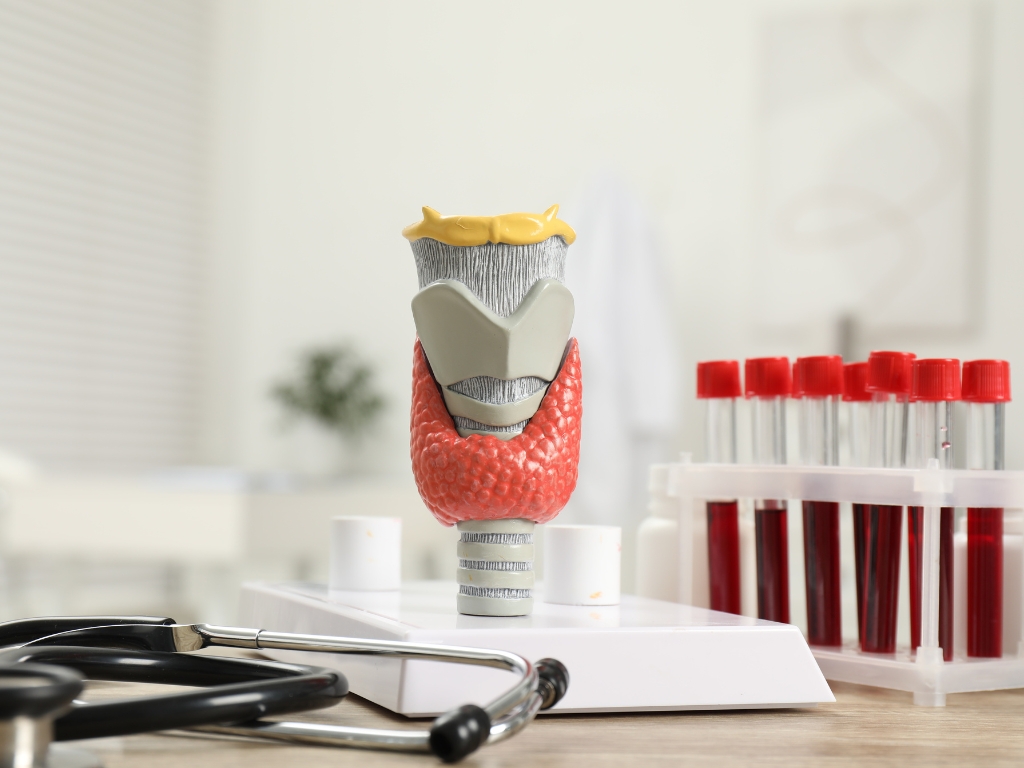
Introduction to Thyroid Nodules and Treatment Choices
Thyroid nodules are common growths that develop within the thyroid gland. Many people discover them during routine checkups or imaging tests done for other reasons. While most nodules are benign and harmless, some can grow large enough to cause discomfort, cosmetic concerns, or pressure on surrounding structures. Traditionally, surgery was the primary treatment for problematic nodules. However, modern medicine now offers minimally invasive options such as thyroid ablation, which provides effective results without the need for major surgery.
What Is Thyroid Ablation?
Thyroid ablation is a minimally invasive procedure used to treat benign thyroid nodules by reducing their size. Instead of removing the entire thyroid gland or a portion of it, this technique targets the nodule directly. A thin needle-like probe is inserted into the nodule under ultrasound guidance, and controlled heat or energy is applied to shrink the abnormal tissue.
Over time, the treated nodule gradually decreases in size as the body naturally absorbs the damaged cells. This process helps relieve symptoms such as swelling, pressure, and difficulty swallowing or breathing. Because thyroid ablation preserves most of the healthy thyroid tissue, it reduces the risk of hormone imbalance compared to surgical removal.
Types of Thyroid Ablation Techniques
There are several methods used in thyroid ablation, each relying on different forms of energy to treat nodules.
Radiofrequency Ablation (RFA)
Radiofrequency ablation is one of the most widely used techniques. It uses high-frequency electrical currents to generate heat and destroy targeted thyroid tissue. RFA is especially effective for solid benign nodules and is known for its safety and precision.
Laser Ablation
Laser ablation uses focused laser energy delivered through a thin fiber inserted into the nodule. The heat generated by the laser causes the nodule to shrink gradually. This technique is often used for smaller nodules or specific clinical situations.
Microwave Ablation
Microwave ablation uses electromagnetic waves to produce heat within the nodule. It is capable of treating larger nodules and offers quick treatment times. Like other methods, it is performed under imaging guidance for accuracy.
All of these techniques fall under the broader category of thyroid ablation, and the choice of method depends on the patient’s condition, the size and type of the nodule, and the physician’s expertise.
Who Is a Candidate for Thyroid Ablation?
Not every thyroid nodule requires treatment. Many remain stable in size and do not cause symptoms. However, thyroid ablation may be recommended for patients who experience:
- Visible swelling or cosmetic concerns
- Pressure in the neck
- Difficulty swallowing or breathing
- Voice changes due to nodule size
- Benign nodules that continue to grow
Before recommending thyroid ablation, doctors usually perform an ultrasound and a fine-needle aspiration biopsy to confirm that the nodule is benign. This step ensures the safety and effectiveness of the treatment.
How the Procedure Is Performed
Thyroid ablation is typically performed as an outpatient procedure. The process is straightforward and designed for patient comfort.
- The patient lies comfortably while the neck area is cleaned and prepared.
- Local anesthesia is applied to numb the treatment area.
- Using ultrasound guidance, the doctor inserts a thin probe into the thyroid nodule.
- Energy is delivered through the probe to heat and destroy the abnormal tissue.
- The probe is carefully repositioned to treat the entire nodule.
- Once complete, the probe is removed, and a small bandage is applied.
The procedure usually takes between 20 and 60 minutes, depending on the size of the nodule. Most patients can return home the same day.
Recovery After Thyroid Ablation
Recovery from thyroid ablation is generally quick and comfortable. Because the procedure does not involve large incisions or general anesthesia, patients experience minimal downtime.
Some individuals may notice mild swelling, tenderness, or a warm sensation in the treated area for a few days. These symptoms usually resolve on their own or with over-the-counter pain relief.
Most patients can return to normal daily activities within 24 to 48 hours. Follow-up visits are scheduled to monitor the reduction in nodule size and ensure successful treatment.
Benefits of Thyroid Ablation
There are several reasons why thyroid ablation is becoming a preferred treatment option for many patients.
Minimally Invasive Approach
Unlike traditional surgery, thyroid ablation does not require large incisions. The procedure uses a small needle, which reduces trauma to surrounding tissues.
No General Anesthesia
The treatment is performed under local anesthesia, lowering the risks associated with general anesthesia.
Preservation of Thyroid Function
Since only the nodule is treated, the rest of the thyroid gland remains intact. This helps maintain normal hormone production and reduces the need for lifelong medication.
Quick Recovery
Patients typically resume normal activities within a day or two, making thyroid ablation a convenient option for those with busy schedules.
Minimal Scarring
Because the procedure involves only a small puncture, there is little to no visible scarring.
Risks and Possible Side Effects
Although thyroid ablation is considered safe, like any medical procedure, it carries some potential risks. These may include:
- Mild pain or discomfort at the treatment site
- Temporary swelling or bruising
- Rare voice changes due to nerve irritation
- Temporary inflammation of the thyroid gland
Serious complications are uncommon, especially when the procedure is performed by an experienced specialist using proper imaging guidance.
Effectiveness of Thyroid Ablation
Studies have shown that thyroid ablation can significantly reduce the size of benign nodules. In many cases, nodules shrink by 50 to 80 percent within the first year after treatment. This reduction often leads to noticeable improvement in symptoms and appearance.
For larger nodules, more than one session of thyroid ablation may be recommended to achieve optimal results. Regular follow-up imaging helps track progress and determine if additional treatment is needed.
Thyroid Ablation vs. Surgery
When comparing thyroid ablation to traditional surgery, several differences become clear.
Surgical Removal
- Requires general anesthesia
- Involves an incision in the neck
- May require hospital stay
- Higher risk of hormone imbalance
- Longer recovery time
Thyroid Ablation
- Performed under local anesthesia
- No large incisions
- Outpatient procedure
- Preserves thyroid function
- Faster recovery
For patients with benign nodules who wish to avoid surgery, thyroid ablation offers a practical and effective alternative.
Long-Term Outlook After Treatment
Most patients who undergo thyroid ablation experience lasting relief from symptoms. As the nodule shrinks, pressure on surrounding tissues decreases, and cosmetic concerns improve.
Regular follow-up appointments are important to monitor thyroid function and nodule size. In some cases, small residual nodules may remain stable without causing symptoms.
With proper care and monitoring, thyroid ablation provides a long-term solution for many patients with benign thyroid nodules.
Choosing the Right Treatment Option
Every patient’s condition is unique, and treatment decisions should be made in consultation with a qualified thyroid specialist. Factors such as nodule size, symptoms, overall health, and personal preferences all play a role in determining the best approach.
For individuals seeking a minimally invasive option with fewer risks and quicker recovery, thyroid ablation has become an increasingly popular choice. It combines modern technology with patient-centered care to deliver effective results without the challenges of surgery.
Conclusion
Thyroid nodules are common, but not all require surgical removal. Advances in medical technology have introduced safer and less invasive treatments, with thyroid ablation emerging as a leading option. This procedure effectively reduces nodule size, relieves symptoms, and preserves normal thyroid function.
With its minimally invasive nature, quick recovery, and strong safety profile, thyroid ablation offers a practical alternative for patients who want effective treatment without the drawbacks of traditional surgery. Consulting a qualified specialist can help determine whether this innovative approach is the right choice for individual needs.
