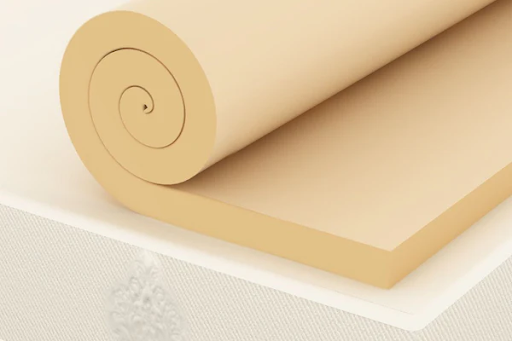
A good night of sleep can change your whole day. Yet many people wake up with stiff shoulders or a sore lower back. Often, the issue is not the bed frame or even the mattress. It is the comfort layer that sits closest to your body.
That is where a memory foam topper can help. It is a simple add-on that changes how your mattress feels without the cost of buying a new one. Still, it is not a magic fix for every sleep problem. You need to know what it does, how it feels, and what to look for before you spend money.
Here, you will learn how these toppers work, who they suit best, how to choose the right one, and how to care for it so it lasts.
What A Topper Is And Why It Matters
A topper is a removable layer that sits on top of your mattress. It adds extra comfort and can also protect the mattress surface. The main reason people buy one is to adjust firmness. For instance, a mattress that feels too firm can feel softer with a memory foam topper, and likewise, a mattress that has lost some cushion can feel more supportive again.
The key idea is pressure relief. When your hips and shoulders sink in the right amount, your spine stays straighter. As a result, you may feel less tension when you wake up. A topper can also reduce motion transfer. So if a partner moves at night, you may feel less of it. Not only that, but the extra layer can improve temperature feel and surface grip depending on the material.
How Memory Foam Works
Memory foam is a type of polyurethane foam designed to respond to heat and pressure. When you lie down, it softens and molds to your shape. Then it slowly returns to its original form after you get up. This is why many people describe it as a hugging feel.
Key ways it behaves:
- It contours closely, so it can spread weight across a larger area.
- It helps reduce pressure points, especially at the hips and shoulders.
- It can support curves in the lower back and neck when the fit is right.
- It can feel warmer than other materials since it holds heat near the body.
- Many newer foams use gel or open-cell designs to improve airflow.
However, the same close contour can feel too soft for some people. Still, comfort is personal, and it helps to know your own sleep style.
Choosing The Right Thickness And Firmness
Thickness is one of the most important choices. A thin topper around 2 inches can add a gentle comfort boost. It is often enough if your mattress is only slightly too firm. A thicker layer of around 3 to 4 inches can change the feel more strongly. It can be useful if your mattress is very firm or if you want a deeper contour.
Firmness matters just as much. A softer topper can feel plush and cozy. Yet it may let heavier sleepers sink too far. That can bend the spine and cause new aches. A medium feel often works for many people since it balances cushion and support. A firmer feel can suit back sleepers who want less sink.
When you compare products, look at foam density as well. Higher-density foam often lasts longer and feels more supportive. Lower-density foam can feel softer at first, but may wear out sooner. For many buyers, the best plan is to match thickness and firmness to your body weight and sleep position.
Conclusion
A topper can be a smart way to refresh your bed and improve comfort. The goal is to match the feel to your body and your sleep habits. Think about thickness first since it sets how much the bed changes.
Then pick firmness and density so your spine stays in a healthy line. Cooling features matter if you sleep warm. A good cover and a strong return policy can also make the choice easier.
If your mattress is still in decent shape, a memory foam topper can be a cost-friendly upgrade. If the mattress is badly worn, you may need a bigger fix. Still, when you choose well and care for it you can make sleep feel smoother night after night.
