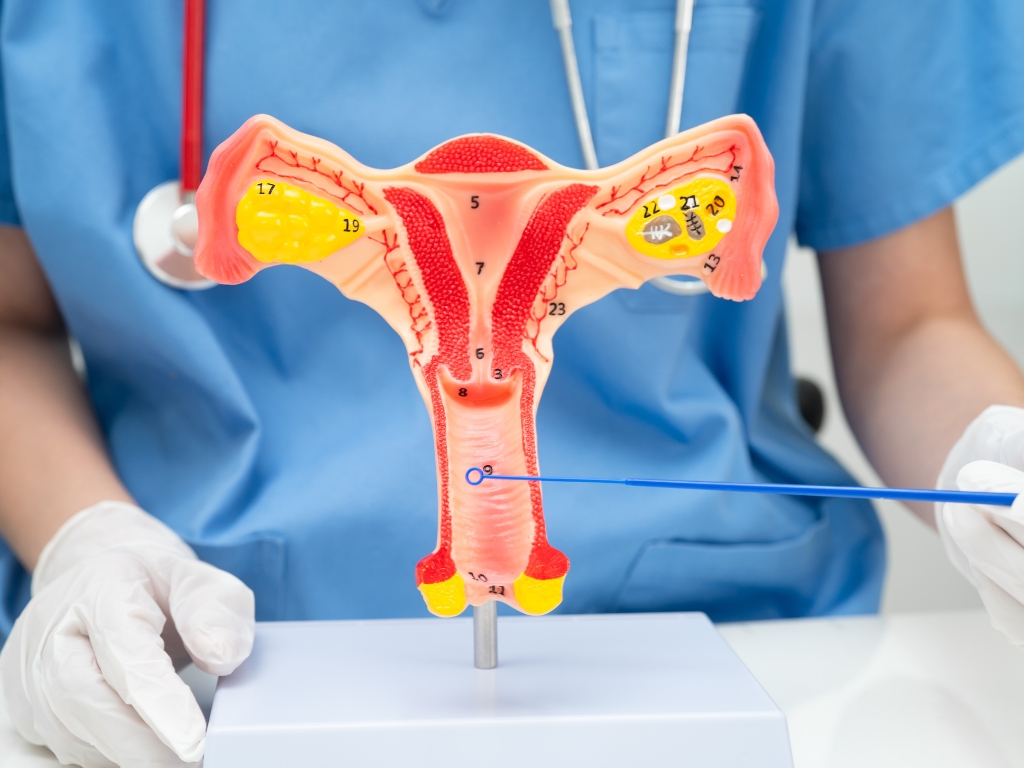
Fibroids are a common health concern for many women, often causing symptoms such as heavy menstrual bleeding, pelvic pain, and pressure on surrounding organs. Fortunately, modern medicine offers minimally invasive solutions that avoid major surgery. One such advanced treatment is fibroid embolization, a procedure designed to shrink fibroids and relieve symptoms effectively. Understanding what happens before, during, and after fibroid embolization can help patients feel more confident and prepared.
Understanding Fibroid Embolization
Fibroid embolization is a non-surgical procedure performed by an interventional radiologist. It works by blocking the blood supply to fibroids, causing them to shrink over time. Unlike traditional surgery, this treatment preserves the uterus and requires only a small incision, making recovery quicker and less complicated.
The procedure has become increasingly popular among women seeking alternatives to hysterectomy or myomectomy. Fibroid embolization is especially beneficial for those who want to avoid long hospital stays and extended downtime.
Preparing for the Procedure
Before undergoing fibroid embolization, patients typically go through a detailed evaluation. This may include imaging tests such as MRI or ultrasound to assess the size, number, and location of fibroids. Blood tests and a physical examination are also common to ensure the patient is a suitable candidate.
Patients are usually advised to avoid eating or drinking for several hours before the procedure. Doctors may also recommend stopping certain medications temporarily. During this stage, the healthcare provider explains the entire process, addresses concerns, and provides instructions for the day of the procedure.
Understanding these preparations is essential, as proper planning contributes to a smoother fibroid embolization experience and reduces the risk of complications.
What Happens During Fibroid Embolization
Fibroid embolization is typically performed in a specialized radiology suite rather than an operating room. The patient is given local anesthesia along with mild sedation to ensure comfort while remaining awake.
The procedure begins with a small incision, usually in the groin or wrist area. A thin, flexible tube called a catheter is inserted into a blood vessel and guided toward the arteries supplying the fibroids. Using real-time imaging, the doctor carefully navigates the catheter to the correct location.
Once positioned, tiny particles are injected through the catheter into the blood vessels feeding the fibroids. These particles block the blood flow, which gradually causes the fibroids to shrink and symptoms to improve. The entire fibroid embolization process typically takes about one to two hours.
Patients often feel minimal discomfort during the procedure, thanks to anesthesia and sedation. The precision of this technique makes fibroid embolization a safe and effective option for many women.
Immediate Recovery After the Procedure
After fibroid embolization, patients are moved to a recovery area where they are monitored for several hours. Some may stay overnight in the hospital, while others are discharged the same day depending on their condition.
It is common to experience cramping, similar to menstrual pain, in the first few hours after the procedure. Pain medications are provided to manage discomfort. Other temporary symptoms may include nausea, fatigue, or a low-grade fever.
These effects are part of the body’s natural response to fibroid embolization and usually subside within a few days. Proper rest and hydration play a key role in the recovery process.
The First Few Days at Home
Once home, patients are advised to take it easy for a few days. Light activities can usually be resumed within a week, but strenuous exercise and heavy lifting should be avoided initially.
Cramping and mild pain may continue for a few days, but they gradually improve. Some women also experience vaginal discharge or spotting, which is normal after fibroid embolization. Following the doctor’s instructions regarding medications and activity levels is essential for a smooth recovery.
During this period, the body begins the process of shrinking the fibroids, which is the main goal of fibroid embolization.
Long-Term Results and Benefits
The benefits of fibroid embolization become more noticeable over time. As the fibroids shrink, symptoms such as heavy bleeding, pelvic pain, and pressure begin to improve. Many women report significant relief within a few months.
One of the major advantages of fibroid embolization is that it treats multiple fibroids at once, unlike some surgical options. Additionally, the uterus remains intact, which may be important for women who wish to preserve their reproductive organs.
Studies have shown that fibroid embolization has a high success rate, with most patients experiencing long-lasting symptom relief. Regular follow-up appointments and imaging tests help monitor progress and ensure the effectiveness of the treatment.
Potential Risks and Considerations
While fibroid embolization is generally safe, like any medical procedure, it carries some risks. These may include infection, allergic reactions to contrast dye, or injury to blood vessels. However, serious complications are rare when the procedure is performed by an experienced specialist.
Some women may experience a condition known as post-embolization syndrome, which includes symptoms like pain, fever, and fatigue. This is usually temporary and manageable with medication.
It is important to discuss all potential risks and benefits with a healthcare provider before deciding on fibroid embolization. Each patient’s situation is unique, and personalized guidance ensures the best possible outcome.
Who is a Good Candidate
Fibroid embolization is suitable for many women suffering from symptomatic fibroids. Ideal candidates are those who experience heavy bleeding, pelvic pain, or pressure and want to avoid surgery.
However, the procedure may not be recommended for women who are pregnant, have certain infections, or have specific medical conditions. A thorough evaluation helps determine whether fibroid embolization is the right choice.
By working closely with a qualified specialist, patients can make informed decisions about their treatment options.
Emotional and Lifestyle Impact
Living with fibroids can affect not only physical health but also emotional well-being and quality of life. Symptoms such as chronic pain and heavy bleeding can interfere with daily activities, work, and social life.
Fibroid embolization offers relief that extends beyond physical symptoms. Many patients report improved energy levels, better sleep, and increased confidence after treatment. The minimally invasive nature of the procedure also reduces stress associated with major surgery.
Understanding what to expect during fibroid embolization helps patients feel more in control and optimistic about their journey to recovery.
Follow-Up Care and Monitoring
Follow-up care is an essential part of the fibroid embolization process. Doctors usually schedule check-ups within a few weeks after the procedure and may recommend imaging tests after a few months.
These visits help assess how well the fibroids are shrinking and ensure there are no complications. Patients are encouraged to report any unusual symptoms promptly.
Maintaining a healthy lifestyle, including a balanced diet and regular exercise, can support recovery and overall well-being after fibroid embolization.
Conclusion
Fibroid embolization is a safe, effective, and minimally invasive solution for women dealing with the challenges of fibroids. From preparation to recovery, understanding each step of the procedure can ease anxiety and improve the overall experience.
By choosing fibroid embolization patients can benefit from reduced symptoms, faster recovery, and the preservation of their uterus. With proper care and follow-up, this innovative treatment continues to offer hope and improved quality of life for countless women worldwide.
