Many people ignore vein problems because they believe they are only cosmetic concerns. However, vein conditions often signal underlying circulation issues that require professional attention. Visiting a vein treatment specialist at the right time can prevent discomfort, complications, and long-term vascular damage.
Healthy veins play a critical role in carrying blood back to the heart. When vein valves weaken or become damaged, blood begins to pool in the legs, causing swelling, pain, and visible vein changes. Early diagnosis allows doctors to recommend effective treatments before symptoms worsen.
Patients who seek timely care often experience faster recovery, improved mobility, and better overall vascular health. Clinics such as Vein Treatment Long Island focus on early evaluation to help patients manage symptoms before they progress into serious medical conditions.
What Signs Indicate You Should Visit a Vein Treatment Specialist?
Your body often gives warning signs when vein health begins to decline. Recognizing these symptoms helps you decide when professional care becomes necessary.
Common signs include:
- Bulging or twisted veins visible under the skin
- Persistent leg pain or heaviness
- Swelling in ankles or lower legs
- Burning or throbbing sensations
- Night cramps or restless legs
- Skin discoloration around the veins
If you notice any of these symptoms, consulting a vein treatment specialist becomes essential. Many patients wait until discomfort interferes with daily activities, but early consultation leads to simpler and more effective treatment options.
Ignoring symptoms may lead to complications such as skin ulcers or blood clots. Seeking medical guidance ensures accurate diagnosis and personalized treatment planning.
How Can I Get Rid of Varicose Veins Without Surgery?
One of the most common questions patients ask is: How can I get rid of varicose veins without surgery? Fortunately, modern medicine offers several non-surgical solutions that are safe, effective, and minimally invasive.
A qualified vein treatment specialist may recommend:
- Compression Therapy
Compression stockings improve blood circulation and reduce swelling. They apply gentle pressure that helps veins move blood efficiently. - Lifestyle Adjustments
Regular exercise, weight management, and elevating your legs improve circulation and reduce vein stress. - Sclerotherapy
Doctors inject a medical solution into affected veins, causing them to collapse and gradually disappear. - Laser Treatments
Laser energy seals damaged veins without incisions or stitches. - Radiofrequency Ablation
This advanced technique uses heat energy to close malfunctioning veins with minimal downtime.
These treatments allow patients to return to normal activities quickly while achieving long-term results.
When Do Varicose Veins Become a Medical Concern?
Many people assume varicose veins are purely cosmetic, but they often indicate chronic venous insufficiency. A vein treatment specialist evaluates whether your condition requires medical treatment rather than cosmetic care.
You should seek medical attention if you experience:
- Persistent swelling that worsens throughout the day
- Skin hardening or darkening near veins
- Open sores or slow-healing wounds
- Sudden pain or redness in the leg
These symptoms may signal advanced vein disease. Early medical evaluation helps prevent complications and protects long-term circulation health.
Healthcare providers at Vein Treatment Long Island emphasize comprehensive vascular assessments to identify underlying causes rather than only treating surface symptoms.
Who Is at Higher Risk of Vein Problems?
Certain individuals have a higher chance of developing vein conditions. Understanding risk factors helps you determine whether preventive consultation with a vein treatment specialist is beneficial.
Common risk factors include:
- Family history of varicose veins
- Long hours of standing or sitting
- Pregnancy
- Obesity
- Aging
- Hormonal changes
- Lack of physical activity
Office workers, teachers, healthcare professionals, and retail employees often experience vein issues due to prolonged standing or sedentary routines.
If you fall into one or more risk categories, scheduling a preventive check-up can help detect issues before symptoms appear.
What Happens During Your First Visit to a Vein Treatment Specialist?
Many patients hesitate because they do not know what to expect during an appointment. Fortunately, the process is simple and comfortable.
During your first visit, a vein treatment specialist typically:
- Reviews your medical history and symptoms
- Performs a physical examination
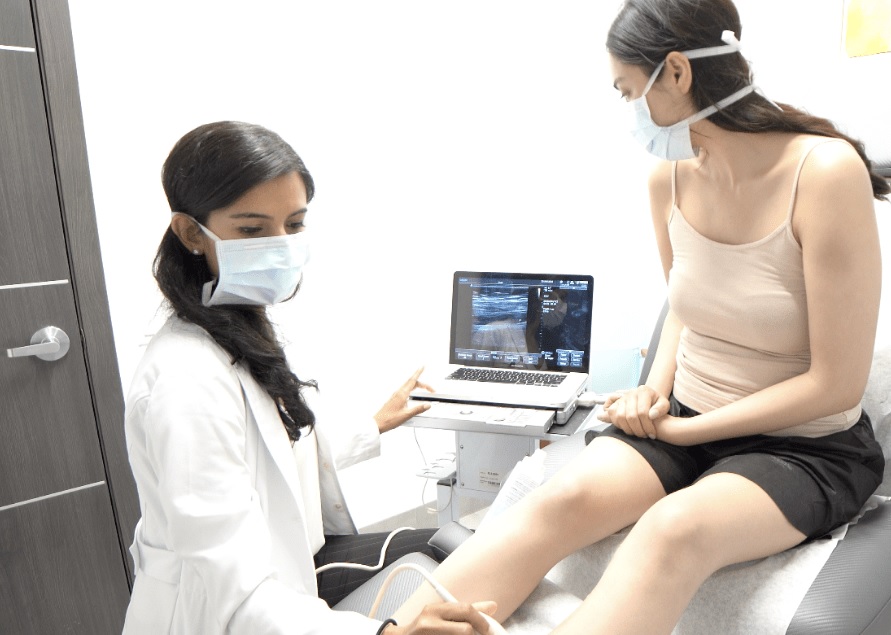
- Conducts an ultrasound scan to assess blood flow
- Explains diagnosis and treatment options
- Creates a personalized treatment plan
Ultrasound imaging allows doctors to view vein function in real time, ensuring accurate diagnosis and targeted treatment.
The consultation focuses on education and patient comfort, helping individuals understand both medical and cosmetic benefits of treatment.
Can Lifestyle Changes Prevent Vein Disease Progression?
Yes, lifestyle habits play a major role in vein health. While medical treatment addresses existing vein problems, preventive steps reduce future risk.
A vein treatment specialist often recommends:
- Walking daily to improve circulation
- Avoiding prolonged sitting or standing
- Elevating legs when resting
- Maintaining a healthy weight
- Wearing supportive footwear
- Staying hydrated
These simple changes improve blood flow and reduce pressure on veins. Combining lifestyle adjustments with professional care produces the best long-term outcomes.
Why Are Minimally Invasive Treatments So Popular Today?
Modern vein treatments have evolved significantly over the past decade. Patients no longer need lengthy hospital stays or painful surgeries.
Today’s procedures offer:
- Minimal discomfort
- Short treatment sessions
- Quick recovery times
- No general anesthesia
- Excellent cosmetic results
A skilled vein treatment specialist uses advanced technology to treat damaged veins while preserving healthy circulation. Most procedures take less than an hour and allow patients to walk immediately afterward.
This convenience encourages more individuals to seek treatment early instead of delaying care.
How Does Early Treatment Improve Quality of Life?
Vein disease affects more than appearance—it impacts daily comfort, mobility, and confidence. Early intervention provides noticeable improvements in physical and emotional well-being.
Benefits of timely treatment include:
- Reduced leg pain and fatigue
- Improved mobility
- Better sleep quality
- Enhanced appearance of legs
- Increased confidence in daily activities
Patients often report feeling more energetic once circulation improves. Visiting a vein treatment specialist early helps restore comfort and prevent chronic symptoms.
When Is the Right Time to Schedule an Appointment?
The best time to seek care is when you first notice symptoms, not when pain becomes severe. If leg discomfort, swelling, or visible veins persist for several weeks, professional evaluation is recommended.
You should consider scheduling an appointment if:
- Symptoms interfere with daily routines
- Home remedies no longer provide relief
- Veins become increasingly visible
- Pain worsens after standing or sitting
Early consultation ensures access to non-surgical treatments and faster recovery options.
Why Should You Trust a Vein Treatment Specialist for Long-Term Vein Health?
A vein treatment specialist possesses specialized training in vascular conditions and modern treatment techniques. Unlike general practitioners, these experts focus specifically on diagnosing and managing vein disorders.
They provide:
- Accurate diagnosis using advanced imaging
- Customized treatment plans
- Preventive care strategies
- Long-term monitoring
Professional guidance ensures safe treatment while addressing both medical concerns and cosmetic goals.
Final Thoughts: Should You Visit a Vein Treatment Specialist Now?
If you experience leg discomfort, swelling, or visible veins, waiting may allow the condition to worsen. Modern treatments make vein care easier, safer, and more effective than ever before.
Understanding How can I get rid of varicose veins without surgery? begins with consulting an experienced vein treatment specialist who can evaluate your condition and recommend minimally invasive solutions.
