Introduction
Most people pay attention to the quality of the water they drink, but far fewer consider the water they shower in every day. Yet, this daily exposure may have a significant impact on your skin, hair, and overall well-being. Municipal water supplies are often treated with chlorine and other disinfectants to ensure safety, but these chemicals don’t simply disappear when the water reaches your home.
This is where a shower filter becomes relevant. By reducing certain impurities and chemicals, it can improve your bathing experience in subtle but meaningful ways. In this article, we’ll explore what’s in your shower water, how it affects your body, and whether installing a filtration system is worth considering.
What’s Really in Your Shower Water?
Chlorine and Chloramines
Chlorine is widely used in water treatment to kill harmful bacteria. In some regions, chloramines (a combination of chlorine and ammonia) are also used because they last longer in the water supply. While effective for sanitation, these chemicals can remain present when you shower.
When hot water is used, chlorine can evaporate into steam, making it easier to inhale or absorb through the skin. Over time, this repeated exposure may contribute to dryness or irritation in some individuals.
Other Potential Contaminants
Depending on your location, tap water may also contain:
- Trace amounts of heavy metals
- Sediments and rust from aging pipes
- Microorganisms (in very small quantities)
- Hard water minerals like calcium and magnesium
While most of these are within regulated safety limits, cumulative exposure can still affect skin and hair quality.
How Shower Water Affects Skin and Hair
Skin Irritation and Dryness
Chlorine can strip the skin of its natural oils, which are essential for maintaining moisture and protection. This may lead to:
- Dry, flaky skin
- Itchiness
- Increased sensitivity
People with existing skin conditions, such as eczema, may notice symptoms becoming more pronounced when exposed to chlorinated water regularly.
Hair Damage and Scalp Issues
Hair is equally vulnerable to chemical exposure. Chlorine can weaken hair strands and disrupt the natural balance of the scalp. Over time, this may result in:
- Brittle or dull-looking hair
- Increased breakage
- Dry scalp or dandruff
Color-treated hair may also fade faster when exposed to unfiltered water.
Respiratory Considerations
Steam from hot showers can carry chlorine vapors, which may irritate the respiratory system in sensitive individuals. While this isn’t typically harmful for most people, those with asthma or allergies might experience mild discomfort.
What Is a Shower Filter?
A shower filter is a compact device installed directly onto your showerhead or water line. Its primary function is to reduce or remove certain chemicals and impurities before the water reaches you.
How It Works
Most shower filters use one or a combination of filtration media, such as:
- Activated carbon
- KDF (Kinetic Degradation Fluxion)
- Vitamin C filters
- Ceramic beads
Each of these materials targets specific contaminants. For example, activated carbon is effective at reducing chlorine and odors, while KDF can help with heavy metals and microbial growth.
Benefits of Using a Shower Filter
Improved Skin Comfort
By reducing chlorine and other irritants, filtered water may feel gentler on the skin. Many users report less dryness and a smoother post-shower feel.
Healthier Hair Appearance
Filtered water can help maintain the natural oils of your scalp and hair. This often leads to:
- Softer texture
- Improved shine
- Reduced frizz
It may also help preserve hair color for longer periods.
Reduced Odor and Better Water Clarity
Unfiltered water sometimes carries a faint chemical smell. A filtration system can help minimize this, making showers more pleasant.
Easier Maintenance of Bathroom Surfaces
Hard water minerals and chemical residues can leave stains or soap scum on tiles and glass. Filtered water may reduce buildup, making cleaning easier.
Who Should Consider Installing One?
Individuals with Sensitive Skin
If you frequently experience dryness, irritation, or itchiness after showering, filtering your water may be worth exploring.
Families with Young Children
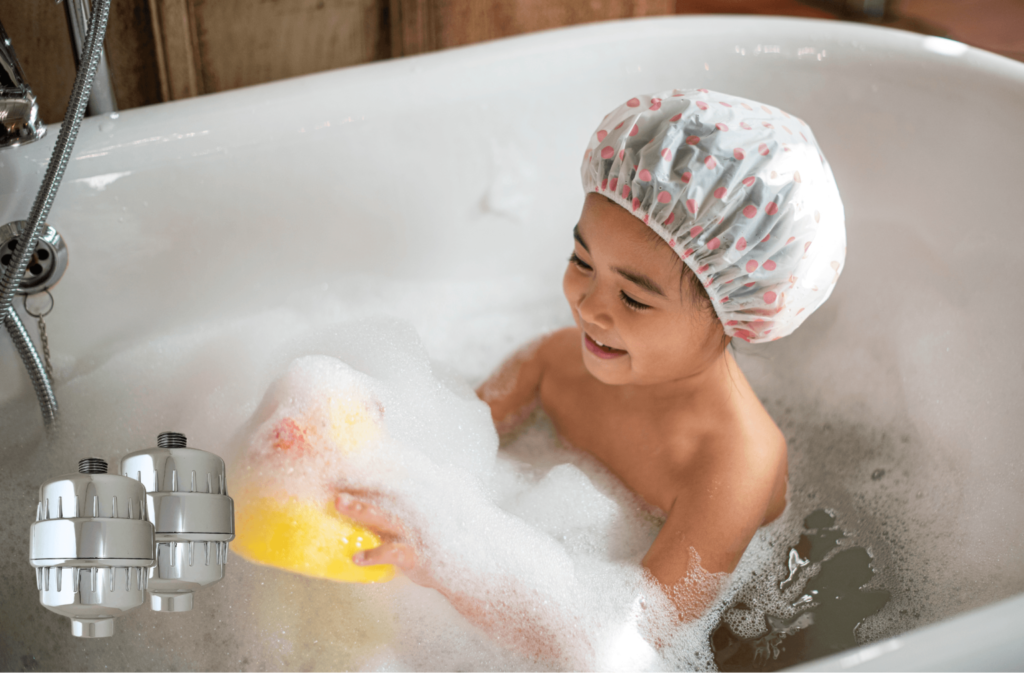
Children often have more delicate skin, making them more susceptible to environmental factors. A filtration system may provide an extra layer of comfort.
People with Color-Treated Hair
If you invest in hair treatments or coloring, protecting your hair from harsh water conditions can help maintain results longer.
Pet Owners
Pets are also affected by water quality. Bathing them in filtered water may help keep their skin and fur healthier.
Things to Consider Before Buying
Filter Lifespan
Most systems require periodic replacement of cartridges. The lifespan depends on usage and water quality, but typically ranges from several months to a year.
Installation
Many shower filters are designed for easy installation without professional help. However, compatibility with your existing shower setup is important to check.
Water Pressure
A good-quality filter should not significantly reduce water pressure. Look for models designed to maintain a steady flow.
Certification and Testing
While not all products are certified, choosing a filter that has been tested for effectiveness can provide added confidence.
Common Misconceptions
“Tap Water Is Already Safe, So Filters Aren’t Needed”
While tap water is generally safe for consumption, “safe” doesn’t always mean optimal for skin and hair. Filtration focuses on improving quality rather than just safety.
“All Filters Work the Same Way”
Different filters target different contaminants. Understanding what your local water contains can help you choose the right system.
“Results Are Immediate and Dramatic”
Improvements are often gradual and may vary from person to person. Some people notice changes quickly, while others see subtle differences over time.
Maintenance and Best Practices
To get the most out of your shower filter:
- Replace cartridges as recommended
- Clean the showerhead periodically
- Monitor any changes in water pressure or smell
- Store spare cartridges in a dry place
Regular maintenance ensures consistent performance and prolongs the life of your system.

Final Thoughts
A shower is more than just a daily routine—it’s a moment of care and restoration. Paying attention to the quality of the water you use can make a noticeable difference in how you feel afterward. From reducing dryness to improving hair texture, the benefits of cleaner water go beyond surface-level comfort.
If you’ve been dealing with persistent skin or hair concerns and haven’t found a solution, examining your water quality could be a practical next step. While not a cure-all, a well-chosen filtration system can be a simple addition to your home that supports a healthier lifestyle.
For those exploring options, brands like Coral Pure Natural offer systems designed to address common water quality concerns, helping users take a more thoughtful approach to everyday living.
Ultimately, the decision comes down to your personal needs, water conditions, and priorities—but understanding the impact of what flows through your shower is a great place to start.
