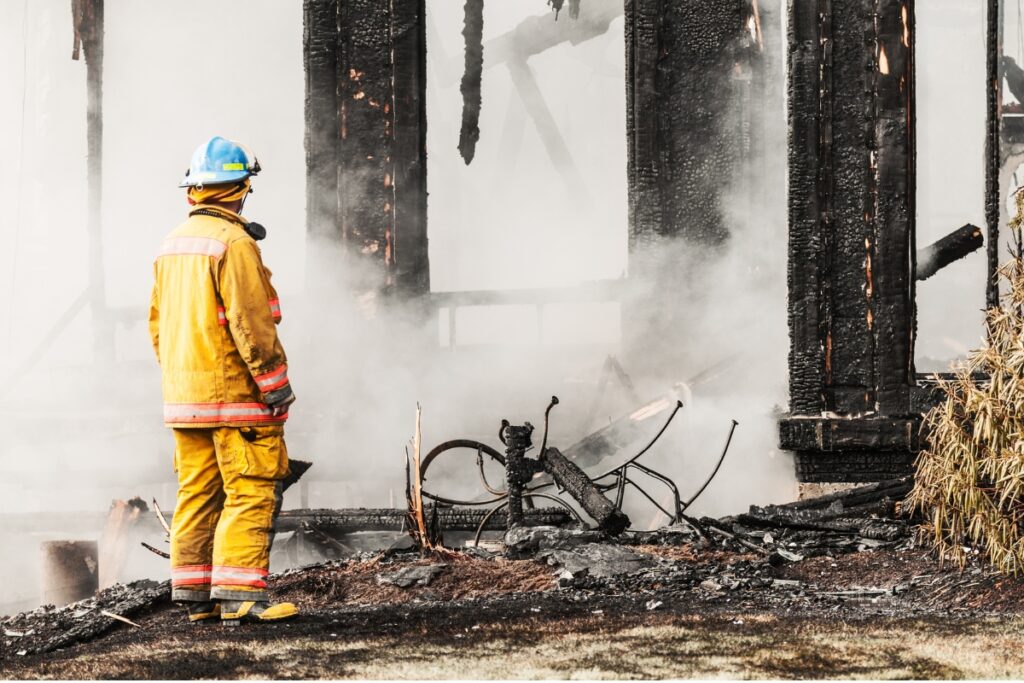
A house fire can change your life in a matter of minutes. Even after the flames are put out, the damage does not stop. Smoke, soot, and water used to control the fire continue to affect your home. Many homeowners think the worst is over once the fire is gone, but the real recovery process begins right after that moment.
Immediate fire damage cleanup is one of the most important steps in restoring safety and comfort. Acting quickly helps reduce health risks, prevent further damage, and lower repair costs. In areas where properties are closely built and weather conditions can speed up deterioration, such as when people seek fire damage cleanup in Los Angeles, fast action becomes even more important.
What Happens to a Home After a Fire?
After a fire, the damage goes far beyond what you can see. Walls may look stable, but heat can weaken their inner structure. Furniture may appear intact, but smoke particles settle deep inside fabric and wood. Water from firefighting efforts soaks floors and ceilings, creating new problems within hours.
Soot spreads quickly and sticks to almost every surface. It is acidic and can stain or damage materials if not removed soon. At the same time, trapped moisture can lead to mold growth, especially in warm conditions. This is why cleanup should begin as soon as it is safe to enter the property.
Why Quick Action Is So Important
Time plays a major role in how much of your home can be saved. The longer soot, smoke, and moisture remain inside the house, the more damage they cause. Immediate fire damage cleanup helps stop this chain reaction before it becomes worse.
Here are some key reasons why acting fast makes a difference:
- Soot can permanently stain walls, ceilings, and belongings within a short period.
- Metal surfaces may begin to rust or corrode quickly.
- Water damage can cause wood to swell, crack, or warp.
- Mold can start growing within 24 to 48 hours in damp areas.
- Smoke odors become harder to remove the longer they stay trapped.
Quick cleanup reduces the risk of long-term damage and makes restoration smoother.
Health Risks of Delaying Fire Damage Cleanup
Fire residue is not just dirty; it can be harmful. Smoke contains tiny particles and chemicals that affect indoor air quality. Breathing in these particles may cause coughing, eye irritation, headaches, or breathing problems.
Children, older adults, and people with asthma or allergies are especially sensitive. If cleanup is delayed, these harmful particles continue to circulate inside the home. Immediate fire damage cleanup helps remove contaminants early, making the indoor environment safer for everyone.
Structural Safety After a Fire
Even if only one room was burned, the heat may have affected nearby structures. Wooden beams, support frames, and ceilings can lose strength after exposure to high temperatures. Water damage can also weaken drywall and flooring.
Starting cleanup right away allows for a proper inspection of the property. Damaged materials can be identified and addressed before they create safety hazards. This prevents accidents and protects anyone entering the home during recovery.
The Impact of Smoke and Soot
Smoke travels fast and does not stay in one place. It moves through open spaces, vents, and small cracks. As it cools, it leaves behind soot on walls, appliances, and personal items.
Soot is one of the most damaging byproducts of a fire. It can discolour paint, damage electronics, and create unpleasant smells. The longer it remains, the deeper it settles into materials. Immediate fire damage cleanup helps remove soot before it causes permanent stains and odors.
Water Damage After Firefighting Efforts
Water is necessary to put out a fire, but it can create its own set of problems. Floors, carpets, and walls absorb moisture quickly. If not dried properly, this moisture can lead to mold and mildew.
Below is a simple table that explains how different types of damage can worsen over time if cleanup is delayed:
| Type of Damage | What Happens If Delayed | Why Immediate Cleanup Helps |
| Soot and Smoke | Permanent stains and strong odors | Removes residue before it settles deep |
| Water Damage | Warping, swelling, and mold growth | Dries areas and prevents mold |
| Structural Weakness | Hidden cracks or collapse risks | Identifies and repairs unsafe areas |
| Metal Surfaces | Rust and corrosion | Protects fixtures and appliances |
| Air Quality Issues | Ongoing breathing problems | Clears harmful particles from the air |
This table shows how fast action can prevent simple damage from turning into major repairs.
Emotional Benefits of Immediate Cleanup
A house fire is emotionally draining. Seeing damaged walls and smoke stains every day can increase stress. Quick cleanup gives homeowners hope and a sense of progress.
When the space begins to look cleaner and safer, it becomes easier to focus on rebuilding. Taking immediate steps helps families feel more in control during a difficult time.
Cost Savings Through Early Action
Delaying fire damage cleanup often leads to higher repair costs. Materials that could have been cleaned may need full replacement if damage spreads. Mold treatment, odor removal, and structural repairs become more complex over time.
Immediate cleanup limits the damage and reduces the amount of work needed later. In many cases, acting early saves both time and money.
Protecting Personal Belongings
After a fire, personal belongings are at risk. Clothing, furniture, photos, and important documents can be damaged by soot and moisture. Quick cleanup increases the chances of saving these items.
The following types of belongings benefit most from immediate attention:
- Upholstered furniture and mattresses
- Carpets and curtains
- Paper documents and photographs
- Wooden furniture
- Electronic devices
Fast action prevents stains, odors, and permanent damage to these valuable items.
Fire Damage Cleanup in Los Angeles
In busy cities, homes are often close together. Smoke can spread to nearby properties, and warm weather can speed up mold growth. For homeowners seeking fire damage cleanup in Los Angeles, responding quickly is especially important.
The local climate can cause moisture to linger in certain areas, increasing the risk of secondary damage. Acting immediately helps reduce the impact of both fire and environmental factors.
Improving Indoor Air Quality
After a fire, the air inside the house may contain tiny smoke particles and harmful chemicals. These particles settle in vents and air ducts, continuing to circulate throughout the home.
Immediate fire damage cleanup focuses on removing soot and improving airflow. Cleaner air makes the home safer and more comfortable to live in. It also reduces long-term health concerns linked to poor air quality.
Supporting the Full Restoration Process
Cleanup is the first step in restoring a fire-damaged home. Repairs, repainting, and rebuilding cannot begin until soot, smoke, and moisture are removed. Delays in cleanup slow down the entire recovery process.
By starting right away, homeowners can move more quickly toward rebuilding and returning to normal life.
Long-Term Value of Acting Quickly
A home that receives immediate cleanup is more likely to maintain its value. Lingering smoke odors, stains, and hidden damage can reduce property appeal. Quick action protects the structure and appearance of the house.
In the long run, immediate fire damage cleanup helps preserve both comfort and financial investment.
Final Thoughts
A house fire does not end when the flames are extinguished. Smoke, soot, and water continue to damage the property and affect health. Immediate fire damage cleanup is essential to stop further harm, protect your family, and reduce repair costs.
Whether the damage is small or severe, acting quickly makes a major difference. From improving air quality to preventing mold and structural issues, fast cleanup lays the foundation for safe and successful recovery.
Frequently Asked Questions (FAQs)
1. How soon should fire damage cleanup begin after a house fire?
Fire damage cleanup should begin as soon as the property is declared safe to enter. Waiting even a day or two can allow soot, smoke, and moisture to cause deeper damage, making restoration more difficult and expensive.
2. Can smoke damage affect rooms that were not burned?
Yes, smoke can travel through vents, hallways, and small openings, affecting rooms far from the fire source. It leaves behind soot and odors that settle on surfaces, making immediate cleanup necessary throughout the entire home.
3. Why is water removal important after a fire?
Water used to extinguish the fire can soak into floors, walls, and furniture. If not removed quickly, it may cause mold growth, wood damage, and structural weakening, leading to additional repair costs and health concerns.
4. Is it safe to stay in the house after a fire?
It depends on the level of damage and air quality. Smoke particles and weakened structures can pose health and safety risks. A proper inspection and immediate fire damage cleanup help determine when it is safe to return.
5. Does immediate cleanup really reduce overall repair costs?
Yes, acting quickly often prevents secondary damage such as mold growth, corrosion, and permanent staining. By addressing issues early, homeowners can avoid larger repairs and reduce the total cost of restoring their property.
