As the global population continues to rise, the demand for reliable and abundant food sources grows stronger every year. At the heart of agricultural productivity lies the seed, the very foundation of every harvest. High-quality seeds ensure better germination, stronger resistance to pests and diseases, and improved crop yields, making them essential for sustainable farming practices. This is why seed quality control has become a crucial factor in securing the future of food production. Partnering with a custom seed processing company allows farmers and stakeholders to access advanced technologies that preserve seed purity and consistency, ultimately contributing to global food security.
What Makes a Seed Truly Valuable?

Key Traits of a High-Quality Seed
- Purity
- A pure seed lot is free from unwanted crop varieties, weed seeds, and contaminants.
- Purity ensures that crops grow uniformly, making harvesting easier and final yields more predictable.
- Impure seeds, on the other hand, often result in uneven growth and reduced market quality.
- Germination Rate
- The germination rate measures the percentage of seeds capable of sprouting under suitable conditions.
- High-quality seeds typically have a germination rate above 85–90%, ensuring maximum plant population in the field.
- A poor germination rate leads to gaps in planting rows, lower yields, and wasted resources.
- Seed Vigor
- Beyond germination, vigor reflects the seed’s strength to withstand stress (drought, pests, or poor soil conditions).
- Vigorous seeds establish quickly, produce strong root systems, and develop into healthier crops.
- This trait is critical in areas facing unpredictable climate conditions.
Certified vs. Uncertified Seeds
- Certified Seeds
- Produced under strict monitoring and testing.
- Verified for purity, germination, and vigor by authorized seed certification agencies.
- Carry traceability and guarantee farmers a reliable harvest.
- Often processed by a custom seed processing company to meet international quality standards.
- Uncertified Seeds
- Often saved from previous harvests without proper cleaning, testing, or treatment.
- May carry diseases, pests, or contamination from other crop varieties.
- Lack consistency in germination and growth, leading to uncertain yields.
- While cheaper initially, uncertified seeds can result in higher long-term losses for farmers.
Why This Difference Matters
The choice between certified and uncertified seeds directly impacts crop productivity and food availability. Investing in high-quality, certified seeds ensures reliable harvests, better profitability for farmers, and stronger contributions to global food security.
How Seed Quality Shapes the Future of Food Security
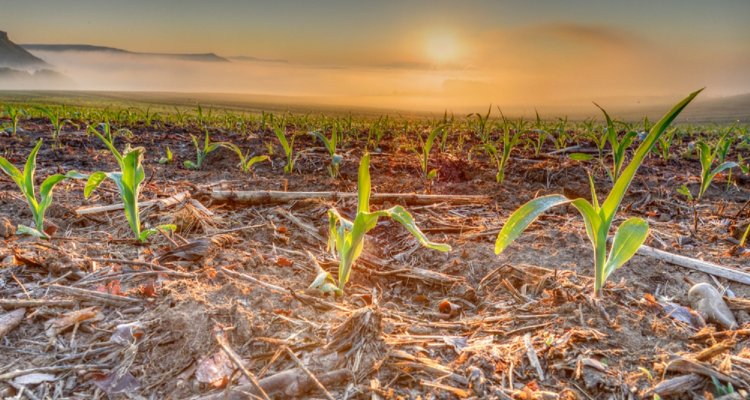
High-Quality Seeds Drive Better Yields
- Seeds with high germination and vigor produce more plants per acre, maximizing land use.
- Uniform crop growth allows farmers to manage irrigation, fertilizers, and harvesting more effectively.
- Increased yields reduce dependency on expanding farmland, helping preserve natural ecosystems.
- In commercial farming, higher yields also translate into greater profitability and market competitiveness.
Building Resistance Against Pests and Diseases
- Certified, high-quality seeds are often treated and tested to reduce the risk of seed-borne pathogens.
- Stronger genetic purity ensures crops inherit traits that resist common pests and diseases.
- This reduces farmers’ reliance on excessive pesticides, lowering production costs and minimizing environmental damage.
- A custom seed processing company plays a vital role here by ensuring seed treatment and coating technologies enhance protection.
Ensuring Stability Amid Climate Challenges
- With climate change driving unpredictable weather patterns, seed vigor becomes crucial.
- High-quality seeds adapt better to stresses such as drought, floods, or temperature extremes.
- Farmers who rely on robust seeds experience fewer crop failures and more stable harvests.
- Stable food production safeguards both local food markets and international supply chains.
Why It Matters for Global Food Security
When farmers adopt high-quality seeds, communities benefit from greater food availability, more nutritious harvests, and a stronger agricultural economy. Seed quality control is not only about better farming — it is about securing the food needs of future generations.
Challenges in Safeguarding Seed Quality
While the importance of seed quality is widely recognized, maintaining it consistently remains a major challenge. From production to distribution, several factors can reduce seed effectiveness and threaten overall food security.
Contamination and Seed Adulteration
- One of the most common threats to seed quality is contamination with unwanted crop varieties, weed seeds, or diseased particles.
- Seed adulteration — mixing inferior or fake seeds with high-quality batches — is a growing issue in some regions.
- Such practices not only harm farmers financially but also reduce trust in the seed supply chain.
- Partnering with a custom seed processing company helps eliminate impurities and ensure authenticity.
Limited Awareness Among Farmers
- Many small-scale farmers lack awareness of the benefits of certified, high-quality seeds.
- The use of saved or uncertified seeds remains widespread due to cost concerns or lack of knowledge.
- Farmers may not fully understand how seed purity, vigor, and treatment directly affect crop yields and profitability.
- Educational campaigns and training programs are essential to bridge this knowledge gap.
Issues with Storage and Distribution
- Even the best-quality seeds can lose viability if stored under poor conditions.
- Exposure to moisture, pests, or high temperatures reduces germination rates and seed vigor.
- Inadequate storage infrastructure and improper distribution systems further compromise seed quality.
- Modern storage facilities, cold storage technologies, and traceable supply chains are key to overcoming these challenges.
The Bigger Picture
Maintaining seed quality requires collaboration among farmers, seed producers, governments, and technology providers. Without strict controls and awareness, the promise of high-quality seeds cannot be fully realized.
Modern Approaches to Seed Quality Control
As agriculture advances, so do the methods used to ensure seed quality. Traditional practices are no longer enough to meet the demands of global food security. Today, advanced technologies, biotechnology, and digital tools are transforming how seeds are tested, certified, and delivered to farmers.
Advanced Testing and Certification Systems
- Modern laboratories now conduct rigorous tests to measure seed purity, germination rates, and vigor.
- Certification agencies verify these results before seeds are approved for commercial use.
- Farmers who choose certified seeds benefit from higher reliability and traceability.
- A custom seed processing company plays an important role by adopting these certification systems to meet both local and international standards.
Biotechnology and Genetic Purity Tests
- Biotechnology has revolutionized seed quality control by enabling precise genetic analysis.
- Genetic purity tests confirm that seeds contain the intended traits without contamination from other varieties.
- These tests help breeders develop seeds resistant to pests, diseases, and climate stress.
- Farmers who plant genetically pure seeds enjoy consistent crop performance and reduced risks of failure.
Digital Tools and Traceability Systems
- Digital platforms are now used to track seed batches from production to delivery.
- Blockchain and QR-code systems give farmers transparency, ensuring they receive genuine seeds.
- Mobile apps provide real-time updates on seed certification, storage conditions, and distribution channels.
- These systems not only protect farmers from fraud but also strengthen overall trust in the seed supply chain.
Looking Ahead
By integrating advanced testing, biotechnology, and digital traceability, the agricultural sector is building a future where farmers can rely on every seed they plant. Modern seed quality control ensures stronger harvests, better food availability, and greater resilience against global challenges.
Benefits of High-Quality Seeds for Farmers and Consumers
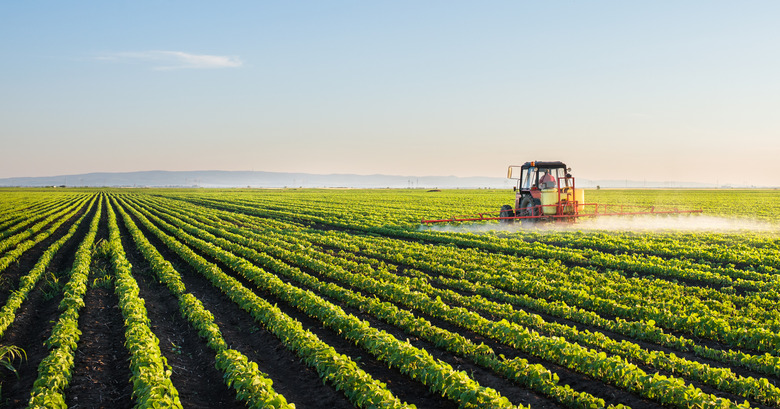
Higher Income for Farmers Through Better Yields
- High-quality seeds have stronger germination rates, leading to a fuller crop stand and greater productivity per acre.
- More consistent harvests allow farmers to plan better and reduce losses caused by poor seed performance.
- Higher yields increase profitability, enabling farmers to reinvest in better farming practices and technologies.
- A custom seed processing company ensures seeds meet strict quality standards, giving farmers confidence in every planting season.
Stronger Trust in the Agricultural Supply Chain
- Certified and traceable seeds boost farmer confidence by guaranteeing reliability.
- Supply chain transparency builds trust between farmers, distributors, and consumers.
- With fewer instances of adulterated or fake seeds, the agricultural market becomes more stable and efficient.
- Reliable seed quality also encourages international trade, opening up new markets for farmers and agribusinesses.
Better Nutritional Value and Food Availability for Consumers
- High-quality seeds often produce healthier crops with higher nutritional content.
- Consistent harvests improve food availability, reducing shortages and stabilizing prices in the market.
- Consumers benefit from safe, reliable, and nutrient-rich produce, ensuring better overall food security.
- This creates a cycle of trust, where farmers, suppliers, and consumers all gain from reliable seed quality.
A Shared Win for All
Seed quality control is not just about farming success — it is about building a secure, sustainable, and transparent food system. Farmers enjoy better profitability, while consumers gain access to healthier and more reliable food.
Conclusion
Seed quality control is more than just an agricultural practice — it is the foundation of global food security. From improving crop yields and resisting diseases to ensuring stability in the face of climate change, the role of high-quality seeds cannot be overstated. Farmers, policymakers, and companies must work hand in hand to safeguard this foundation. Farmers benefit from better harvests and incomes, governments protect food systems through strict regulations, and seed companies ensure purity, innovation, and trust in the supply chain. Together, these efforts create a future where food is abundant, safe, and sustainable.
FAQs
1. Why is seed quality control important in agriculture?
Seed quality control ensures high germination, purity, and vigor, which directly impact crop yields, farmer income, and global food security.
2. What are the characteristics of high-quality seeds?
High-quality seeds are pure, disease-free, have strong vigor, and show high germination rates, ensuring healthier and more productive crops.
3. How do certified seeds differ from uncertified seeds?
Certified seeds are tested for purity and germination under strict regulations, while uncertified seeds may be contaminated, less reliable, and risky for farmers.
4. How does seed quality affect food security?
Strong, healthy seeds improve yields, resist pests and diseases, and adapt to climate challenges — ensuring stable food supplies worldwide.
5. What modern methods are used to maintain seed quality?
Advanced testing, genetic purity checks, biotechnology, and digital traceability systems help ensure seeds remain reliable and high-performing.
