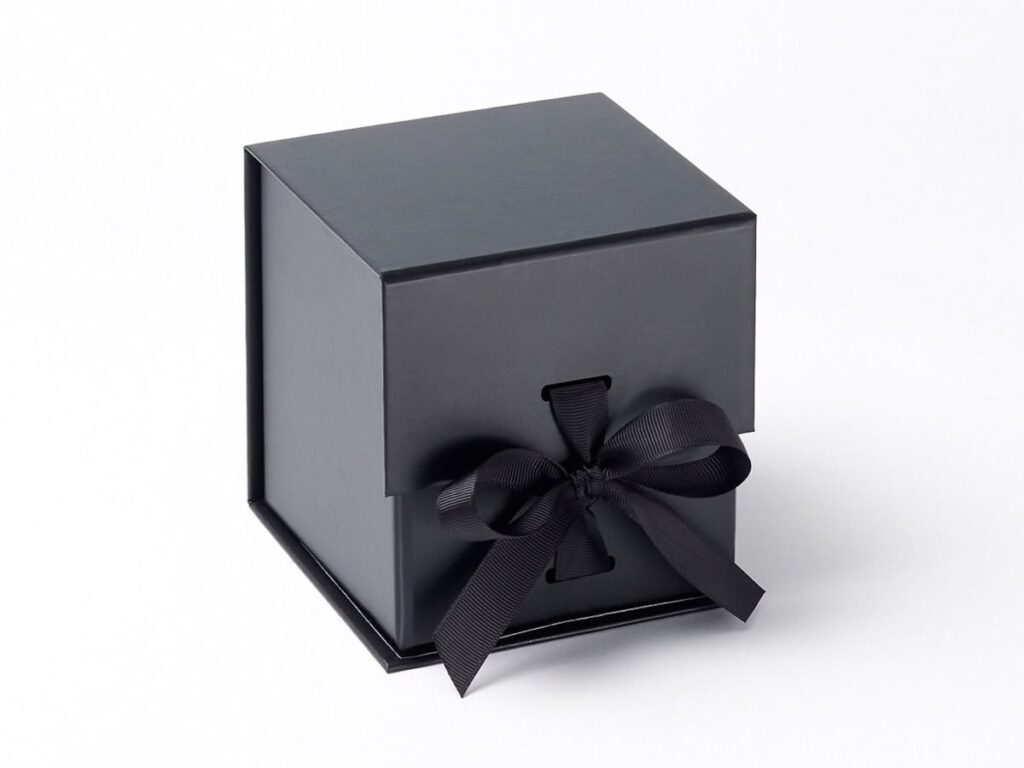
Sustainable packaging has become an important consideration for candle makers, retailers, and e-commerce businesses across the United States. As consumers become more conscious of waste and environmental impact, businesses are exploring packaging solutions that combine product protection, attractive presentation, and responsible material choices. Candle packaging requires particular attention because candles can be fragile, sensitive to temperature changes, and vulnerable to scratches, cracks, and breakage during transportation.
Sustainable candle boxes offer a practical way to balance these requirements. By choosing recyclable materials, thoughtfully designed inserts, and appropriately sized packaging, businesses can reduce unnecessary material use while helping candles arrive safely. Understanding the available materials and packaging alternatives makes it easier to select solutions that suit different candle shapes, shipping conditions, and business needs.
What Makes Candle Packaging Sustainable?
Sustainable candle packaging focuses on material selection, efficient design, durability, and responsible disposal. Instead of relying exclusively on conventional plastic packaging, businesses can explore paper-based materials and other alternatives that may offer lower-waste solutions.
However, sustainability involves more than choosing a material labeled eco-friendly. The packaging should protect the product effectively, avoid unnecessary components, and be suitable for the recycling or disposal systems available to customers.
Several factors influence the sustainability of candle boxes:
- Material sourcing: Paperboard and cardboard made with recycled content can help reduce demand for virgin materials.
- Recyclability: Uncoated paper-based packaging is generally easier to recycle than packaging containing extensive plastic laminations or mixed materials.
- Material efficiency: Appropriately sized boxes reduce unnecessary packaging and wasted space.
- Product protection: Strong packaging can help prevent damage, reducing the likelihood of discarded products and replacement shipments.
- Responsible printing: Suitable inks, coatings, and adhesives can help maintain compatibility with local recycling processes.
Considering these factors together helps candle businesses make informed packaging decisions rather than relying on a single environmental claim.
Eco-Friendly Materials Used in Candle Boxes
Different candle products require different levels of strength, cushioning, and presentation. The most suitable material depends on the candle’s weight, shape, container, and intended use.
1. Recycled Cardboard
Recycled cardboard is a widely used option for candle packaging. It can be converted into boxes for jar candles, pillar candles, votives, and other candle products. Depending on its grade and construction, it can provide sufficient strength for retail packaging and certain shipping applications.
Using recycled content may reduce the demand for virgin paper fibers. Businesses should also consider the board’s stiffness, thickness, and crush resistance when selecting packaging for heavier glass candle jars.
2. Kraft Paperboard
Kraft paperboard is often chosen for its natural appearance and suitability for minimalist packaging designs. Its brown surface can complement rustic, handmade, botanical, and environmentally focused candle collections.
Kraft packaging can accommodate printed product information, simple graphics, and branding elements. However, the natural appearance of kraft paper does not automatically guarantee that a box is recycled, recyclable, or environmentally superior. These characteristics depend on the material composition, coatings, and manufacturing process.
3. Corrugated Cardboard
Corrugated cardboard contains a fluted inner layer between linerboards, creating a structure that can provide additional cushioning and resistance to compression.
This material is particularly useful for shipping candles over long distances. It can help protect products against handling impacts and stacking pressure when the box is appropriately designed.
For businesses shipping multiple candles in one parcel, corrugated outer boxes combined with well-fitted internal supports can offer a practical alternative to excessive plastic cushioning.
4. Molded Paper Pulp
Molded paper pulp is formed into shapes that hold products securely. It can be designed to accommodate particular jar dimensions, helping limit movement inside a package.
Depending on its composition and finish, molded pulp may offer a paper-based alternative to some plastic inserts. It can be useful for candle gift sets and shipping packages that require individual compartments.
The insert must be designed around the actual product dimensions and tested to determine whether it provides adequate protection.
Cardboard Candle Boxes with Inserts for Shipping USA
Shipping candles throughout the United States presents several packaging challenges. Glass containers may crack when subjected to impacts, lids can become loose during transportation, and excessive movement inside a box can damage labels or decorative finishes.
Cardboard candle boxes with inserts for shipping USA businesses can use are designed to hold products in place and help reduce movement during transit. The most effective solution depends on the candle’s weight, container material, shipping method, and expected handling conditions.
Common insert options include:
- Cardboard dividers: Separate multiple candles and help prevent containers from striking one another.
- Die-cut paperboard inserts: Hold individual products in shaped compartments.
- Corrugated supports: Add structural protection for heavier containers and shipping applications.
- Molded pulp inserts: Provide fitted cavities for products with specific shapes or dimensions.
For example, a business shipping three glass jar candles might use a corrugated outer carton with a fitted paperboard divider. Each jar sits in its own compartment, reducing direct contact between containers.
The insert should fit securely without applying excessive pressure to the glass. The outer carton should also provide adequate space for protective structures without leaving large, unnecessary gaps.
Before using a packaging design for large shipping volumes, businesses should conduct practical drop, vibration, and compression testing appropriate to their distribution conditions. Packaging that looks sturdy on a shelf may perform differently after repeated handling by carriers.
How to Choose the Right Candle Box Design
Selecting the right candle box begins with understanding the product and how it will reach the customer.
Consider Candle Size and Weight
Small votive candles may fit comfortably in lightweight paperboard boxes, while large glass jar candles generally require stronger construction and carefully fitted inserts.
Measure the product’s height, width, diameter, and weight. Include the lid and any accessories when calculating the required internal dimensions.
Evaluate the Packaging Purpose
Retail packaging prioritizes appearance, product information, and convenient handling. Shipping packaging must also withstand transportation stresses.
A candle sold in a boutique may use a folding carton with a refined printed design. The same candle shipped directly to a customer may require a protective insert and a separate corrugated shipping carton.
Select Appropriate Printing and Finishes
Printed candle boxes can communicate fragrance names, ingredients, usage instructions, and brand identity. Digital printing may suit shorter production runs, while other printing methods can be more appropriate for larger quantities.
Uncoated paper surfaces and carefully selected printing finishes may simplify recycling compared with certain complex laminations. Businesses should verify material compatibility rather than assume that every paper-based box is recyclable.
Avoid Excessive Packaging
Oversized boxes require more material and may allow products to move during shipping. A well-fitted design can reduce material use while improving stability.
The goal is not simply to use the smallest possible box. It is to achieve an appropriate balance between protection, material efficiency, and practical handling.
Sustainable Alternatives to Conventional Candle Packaging
Businesses can explore several alternatives when reviewing their existing packaging systems.
Recycled-content folding cartons can work well for lightweight candles and retail applications. They offer opportunities for printing while potentially reducing the use of virgin paper fibers.
Corrugated shipping cartons are useful when stronger external protection is required. Pairing the right carton with paper-based cushioning can help limit unnecessary plastic components.
Reusable gift boxes may suit premium candle collections when customers have a realistic opportunity to reuse the packaging. Their additional material requirements should be considered alongside their expected useful life.
Paper-based protective inserts can replace certain plastic components when they provide sufficient cushioning and fit the product correctly. Their performance should be evaluated before full-scale adoption.
No single solution works for every candle. A lightweight decorative candle and a heavy glass jar candle have different structural requirements, so packaging choices should reflect actual product conditions.
Common Mistakes to Avoid
Even well-intentioned packaging decisions can create problems when material selection and product protection are not considered together.
One common mistake is choosing packaging based entirely on appearance. A beautifully printed box may not provide adequate protection for fragile glass containers during shipping.
Another is assuming that all cardboard packaging is automatically sustainable. Recycled content, coatings, adhesives, transport requirements, and end-of-life disposal all influence the overall outcome.
Businesses should also avoid using vague environmental claims without supporting evidence. Terms such as recyclable, compostable, and biodegradable have different meanings and may depend on local facilities and specific product conditions.
Finally, changing packaging materials without testing can increase breakage rates. A responsible packaging strategy considers the complete product journey, from manufacturing and storage to transportation and disposal.
The Future of Sustainable Candle Packaging
Candle packaging continues to evolve as businesses explore material efficiency, improved product protection, and more thoughtful design. Recycled paperboard, corrugated structures, molded pulp, and simplified packaging designs offer options for companies seeking alternatives to unnecessary plastic components.
For US candle brands, the most effective approach is to evaluate packaging based on product requirements, shipping conditions, material availability, and realistic recycling options. Businesses can also compare samples, test different insert configurations, and review supplier specifications before committing to a large production run.
Packaging providers such as The Premier Packaging can be part of the research process when businesses compare customized box structures, paper-based materials, and protective insert options. The important consideration is whether the final design meets the product’s practical needs and supports clearly defined packaging goals.
Conclusion
Sustainable candle boxes combine thoughtful material selection with effective product protection and practical design. Recycled cardboard, kraft paperboard, corrugated cartons, and molded paper pulp each offer potential advantages for different candle products and shipping situations.
By selecting suitable box dimensions, using protective inserts, reducing unnecessary materials, and testing packaging performance, candle businesses can make more informed packaging decisions. The best solution is one that protects the candle throughout its journey, presents the product appropriately, and considers what happens to the packaging after use.
For businesses serving the US market, sustainable packaging is not simply about replacing one material with another. It is about designing a complete packaging system that balances protection, presentation, material efficiency, and responsible end-of-life management.
