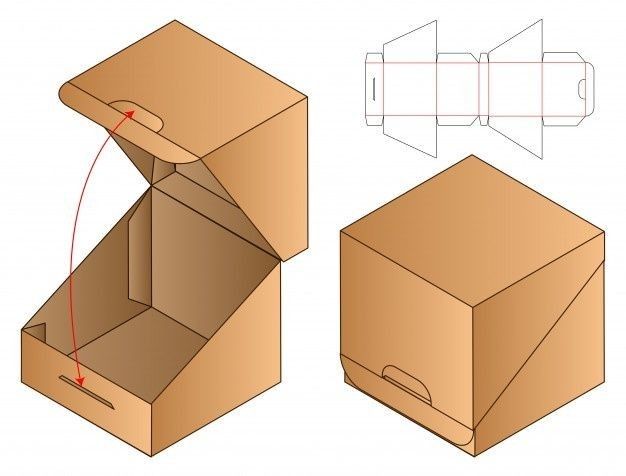
Getting products from a warehouse to a retail shelf involves more than transportation. Packaging must protect products during shipping, keep them organized, and make them easy for store employees to display. This is where shelf-ready packaging becomes useful for manufacturers, distributors, and retailers across the United States.
Unlike conventional shipping cartons that must be unpacked before products are arranged on shelves, shelf-ready packaging is designed to serve both transportation and retail display purposes. With the right structure, a carton can move from the delivery area to the sales floor with minimal handling.
Understanding how shelf-ready packaging works can help businesses choose better box designs, reduce store replenishment time, and present products more effectively.
What Is Shelf-Ready Packaging?
Shelf-ready packaging, sometimes called retail-ready packaging, is designed to transport products and prepare them for display in a retail environment. The package typically arrives at a store with products already arranged in a tray, carton, or display unit.
Store employees can remove a perforated cover, open a panel, or separate a designated section to reveal the products inside. This reduces the need to unpack individual items and place them on shelves one by one.
Common examples include snack boxes, cosmetics, personal care products, small household items, and packaged accessories. The packaging style depends on the product’s weight, dimensions, and retail requirements.
For businesses supplying supermarkets, convenience stores, and specialty retailers, shelf-ready packaging can simplify the transition between delivery and product display.
How Packaging Moves From Shipping to Display
Shelf-ready packaging performs several jobs throughout the distribution process. Its structure must work in a warehouse, during transportation, and on a retail shelf.
1. Product Packing and Protection
The process begins with selecting a suitable carton material and box structure. Products must fit securely inside the package without excessive movement or pressure.
Corrugated cardboard is often used when additional strength is needed during shipping. Paperboard may be appropriate for lighter products or smaller retail units.
Internal dividers, trays, and inserts can help separate individual products and maintain an orderly arrangement. The level of protection required depends on the product and the conditions it may encounter during distribution.
2. Transportation and Warehouse Handling
Once packed, cartons may be stacked, stored, moved between facilities, and transported to retail locations. The package needs enough structural strength to withstand normal handling and stacking conditions.
Box dimensions also matter. Cartons that fit efficiently on pallets can make warehouse storage and transportation easier to organize.
Packaging designers should consider the packed product weight, stacking requirements, and distribution method before deciding on the final structure.
3. Opening the Carton at the Store
A key feature of shelf-ready packaging is how easily store employees can open it. Perforated tear strips, removable covers, and access panels allow the outer carton to be opened without damaging the products.
The opening method should be simple and predictable. If employees need scissors, extra tools, or considerable effort to access the products, the packaging may not deliver its intended convenience.
A well-designed opening feature also helps the carton retain enough strength to support the products once the cover has been removed.
4. Placing Products on Retail Shelves
After opening, the carton or tray can be placed directly on the shelf, depending on the retailer’s display requirements. Products remain grouped together, making replenishment more straightforward.
The front panel may include product identification, branding, or other relevant information. Clear visibility helps shoppers identify the items without needing to remove them from the display.
This makes shelf-ready packaging useful for products sold in bulk and requiring frequent restocking.
The Role of Custom Designed Display Packaging Boxes
Not every product can use the same carton design. Product dimensions, weight, packaging format, and shelf space all influence the final structure.
A custom designed display packaging box can be developed around the specific needs of a product and the retailer’s display environment. For example, a manufacturer selling small cosmetic containers may need a compact tray with individual compartments, while a business selling lightweight accessories may prefer an open-front display carton.
Customization can address several practical requirements:
- Product arrangement: Compartments or dividers keep items organized and facing the right direction.
- Easy access: Open fronts, tear-away panels, or removable covers simplify product retrieval.
- Brand visibility: Printed panels can display logos, product names, and relevant information.
- Structural strength: The board grade and design can be selected to suit the packed weight.
- Shelf compatibility: Box dimensions can be adjusted to fit the available retail space.
The goal is to create packaging that works throughout the product’s journey, rather than designing a box that looks good only after it reaches the store.
Common Types of Shelf-Ready Packaging
Different retail environments call for different packaging structures. Three common options are worth understanding.
Corrugated Display Trays
Corrugated trays are often used for products that need sturdy support during transportation. They can hold multiple items in an organized arrangement and may be placed directly on a retail shelf.
A removable cover can protect the contents before the carton reaches the sales floor. Once removed, the tray provides access to the products.
Perforated Retail Cartons
These cartons include designated tear lines or perforations that allow part of the outer box to be removed. They can be suitable for packaged food, personal care products, and small consumer goods.
Perforations need to be carefully positioned. If they weaken the carton too much, the package may open prematurely during handling.
Counterdistop Display Boxes
Countertop displays are generally designed for smaller products placed near checkout areas or on retail counters. They may include a raised back panel, open compartments, or stepped arrangements.
Although these displays can be designed for shipping, their structures must account for the additional stress of transportation and handling.
Choosing the Right Material and Structure
Material selection affects the package’s strength, printing quality, weight, and suitability for recycling.
Corrugated cardboard is often appropriate when the package must support heavier products or withstand more demanding distribution conditions. Folding paperboard may work for lighter items that require a neat retail presentation.
Recycled-content materials can be considered when their performance meets the packaging requirements. However, the choice should not be based on appearance or environmental claims alone. The material’s specifications and compatibility with local recycling systems should also be reviewed.
The box structure matters just as much as the material. A poorly designed carton may collapse under stacking pressure or become difficult to open, even if it is made from a strong board grade.
Before approving a design, businesses should evaluate the box dimensions, product fit, opening mechanism, shelf stability, and expected distribution conditions.
How Shelf-Ready Packaging Helps Retail Operations
One of the main advantages of shelf-ready packaging is the potential to reduce the time needed to prepare products for sale. Instead of unpacking each item and arranging it individually, employees may be able to place an opened tray or carton directly on the shelf.
The approach can also help keep products grouped together and make replenishment more consistent.
For manufacturers, standardized display cartons can help maintain a consistent product arrangement across retail locations. Printed panels may also improve product identification and provide a more organized presentation.
However, these benefits depend on the retailer’s requirements and the packaging design. A display carton that is too large, difficult to open, or incompatible with shelf dimensions may create additional work rather than reduce it.
Conclusion
Shelf-ready packaging connects transportation and retail presentation in a single packaging solution. By combining a protective shipping structure with an easy-to-open display format, businesses can simplify store replenishment and keep products organized on shelves.
The best design depends on product dimensions, weight, distribution conditions, and retailer requirements. Corrugated trays, perforated cartons, and countertop displays each serve different purposes, so the packaging structure should be selected carefully.
A thoughtfully developed display packaging box can support product protection, convenient access, and consistent presentation. For manufacturers and retailers in the United States, understanding these design principles is a practical starting point for creating packaging that performs well from the warehouse to the sales floor.
