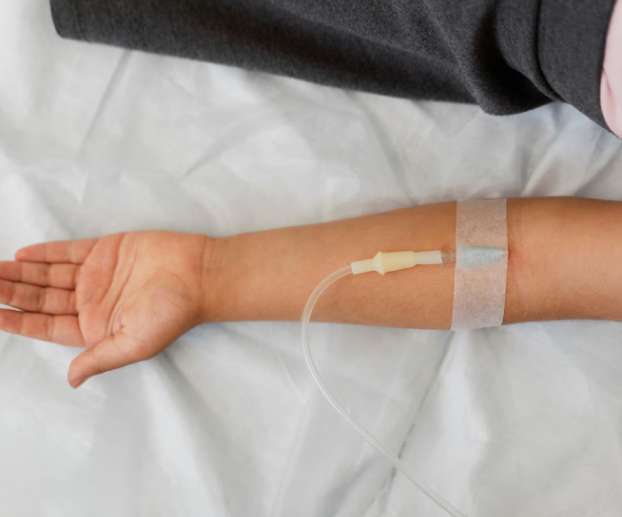
Long summers, heavy humidity, and busy schedules leave many Houston residents feeling drained. Drip lounges and wellness clinics now promise a fast fix through a vein. Before booking, it helps to understand what IV hydration in Houston involves, what the evidence says, and who should be careful.
What an IV Drip Is
An intravenous drip delivers fluid directly into a vein through a small catheter. Standard hydration drips contain sterile saline or a similar balanced solution, and wellness versions often add vitamins such as B complex, B12, vitamin C, or vitamin D, along with electrolytes. Sessions usually run 30 to 60 minutes.
Hospitals use IV fluids to treat severe dehydration, heat illness, and conditions in which people cannot drink or absorb nutrients. Elective wellness infusions borrow the same technique for a different purpose, and that difference is where the debate begins.
Why Houston Residents Look at It
Houston’s heat and humidity raise fluid loss through sweat, especially outdoors or during exercise. Common signs of mild dehydration include thirst, dry mouth, headache, fatigue, darker urine, and lightheadedness. Frequent travel, long work hours, and social events can add to the strain.
For most mild cases, drinking water and electrolyte beverages works well. Medical guidance from the American College of Sports Medicine states that IV fluids offer no advantage over oral fluids and electrolytes for routine rehydration. Clinical IV treatment is warranted for severe dehydration, exertional heat illness, persistent vomiting or diarrhea, or inability to drink. Anyone considering IV hydration in Houston should first ask whether simple oral hydration would do the same job.
What the Research Says
Evidence for elective IV vitamin therapy is limited. A 2023 review found no high-quality evidence supporting IV vitamin infusions in people without a significant deficiency or a specific medical condition. Medical groups note that claims about boosting immunity, reversing aging, or detoxifying the body are often unsupported by strong clinical trials.
Some claims are also overstated. Oral vitamins are not simply lost during digestion; many are absorbed efficiently, and high IV doses do not automatically translate into better health. In real deficiencies or absorption disorders, IV treatment can be appropriate, but a clinician should confirm this with testing. Many people do report feeling better after a session, which may reflect the fluid itself, rest, or expectation.
Risks and Who Should Be Cautious
Most healthy adults tolerate IV hydration well. Common effects include bruising, soreness at the insertion site, or a metallic taste. Less common problems include vein inflammation (phlebitis), fluid leaking into surrounding tissue, allergic reactions, infection, and fluid overload. Very high vitamin doses can cause side effects as well.
Certain people face higher risk and should speak with a physician first:
- Those with heart disease or high blood pressure.
- Those with kidney or liver disease.
- People with diabetes or electrolyte disorders.
- Pregnant individuals.
- Those with G6PD deficiency or iron overload conditions.
- Anyone taking medicines that may interact with infused nutrients.
Seek urgent care after treatment if chest discomfort, shortness of breath, significant swelling, or fever develops.
Questions to Ask a Clinic
A safe provider screens clients first. Look for a health history review, vitals, and clear information about what each bag contains. Ask who places the IV, what training they have, and whether a licensed medical professional supervises care. Sterile technique, single-use supplies, and a plan for adverse reactions matter.
Be cautious about promises of guaranteed results, “100 percent absorption,” or detox. Ask for ingredient lists and doses, and request pricing in writing. A reputable clinic will explain that a drip is not a cure and will recommend you decline if it is not appropriate for you.
Practical Tips Before an Appointment
Eat a light meal and drink water beforehand, wear sleeves that roll up easily, and bring a list of medications and supplements. Tell the clinician about allergies and any medical conditions. Afterward, continue drinking fluids, and note how you feel over the next day or two.
Frequency should be modest. Repeated infusions increase the chance of vein irritation, and the effects of a drip do not replace sleep, nutrition, and regular water intake.
Conclusion
An infusion can be useful in the right setting, and understanding the benefits, limits, and risks lets clients decide with clear eyes. Houston residents who want a screened, consultation-based experience can look at Soirée Aesthetics, which offers personalized IV drips such as Beauty Infusion, Energy and Immunity, and Hangover and Fatigue Recovery after a review of health history. Asking good questions and checking with a doctor first make any wellness choice safer.