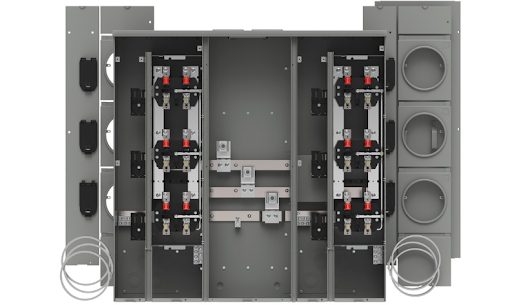
Modern homes depend on electricity for kitchen appliances, air conditioning, home offices, electric vehicle chargers, and smart devices. As household power demands increase, older electrical systems may struggle to support new equipment safely and reliably. An electrical panel upgrade can address capacity limitations when an existing system cannot accommodate additional electrical loads. Warning signs may include frequently tripped breakers, flickering lights, or limited capacity for new appliances. Understanding how an electrical panel works and when it needs attention helps homeowners make informed decisions. A professional assessment can identify aging equipment and potential safety concerns before they become more serious problems.
Understanding the Role of an Electrical Panel
An electrical panel distributes utility-supplied electricity to individual circuits throughout a property. Circuit breakers help protect circuits by interrupting power during certain faults or overloads. The panel also provides a central point for managing household electrical connections.
Older panels may lack the capacity or configuration required for modern electrical demands. However, age alone does not mean replacement is necessary. The panel’s condition, rated capacity, existing wiring, and planned additions all affect whether an upgrade is appropriate.
A qualified electrician can assess these factors and recommend a solution that meets the home’s electrical needs and applicable safety requirements.
Signs Your Electrical System Needs Attention
Certain warning signs indicate that an electrical system needs professional inspection. Frequent breaker trips, dimming lights when appliances start, buzzing sounds, burning odors, or discolored panel components should not be ignored. Avoid attempting repairs yourself.
An electrical panel upgrade may be necessary when the existing panel cannot safely handle the home’s electrical load or when equipment is damaged or unsuitable for planned improvements. A qualified electrician can determine whether repairs or replacement are appropriate.
If you notice smoke, sparks, burning smells, or unusual heat around the panel, keep your distance and contact an electrician or emergency services as appropriate. Never remove the panel cover or attempt electrical repairs independently.
Preparing for New Appliances and Home Improvements
Home renovations and new appliances can increase demand on your electrical system. Electric vehicle chargers, hot tubs, air conditioning units, and major kitchen appliances may require dedicated circuits or service modifications.
Before installing new equipment, consult an electrician to determine whether your existing panel can handle the additional load. The assessment may include reviewing circuits, calculating expected demand, and checking available capacity. Sometimes, adding a suitable circuit is sufficient; other situations may require an electrical panel upgrade.
Solar installations and backup power systems also require careful planning. Discussing future needs early helps coordinate renovations, confirm equipment compatibility, and ensure electrical improvements meet applicable codes and safety requirements.
What to Consider Before an Upgrade
Panel work involves more than selecting a replacement box. Consider these factors before approving a project:
- Electrical capacity: Determine whether the existing service can support current and anticipated demand.
- Panel condition: Check for damage, corrosion, or outdated components identified by an electrician.
- Permits and inspections: Confirm which local permits and inspections are required.
- Utility coordination: Some projects require the utility provider to disconnect and restore service.
- Future requirements: Discuss planned renovations, EV charging, or solar equipment before finalizing the design.
Why Professional Installation Matters
Electrical panel work involves dangerous voltages and serious safety risks when performed incorrectly. A qualified electrician can assess the system, identify issues, select compatible equipment, and complete work according to applicable codes and permit requirements.
Professional installation addresses grounding, bonding, circuit protection, and secure electrical connections. Request a written estimate detailing the proposed work, equipment, permits, and potential additional costs.
Before proceeding, ask why the upgrade is necessary and whether repairs or alternatives could resolve the problem. Clear communication helps homeowners make informed decisions.
Conclusion
A home’s electrical system should support everyday activities while meeting appropriate safety standards. Recognizing warning signs, planning for new equipment, and arranging a professional assessment can help homeowners determine whether an upgrade is necessary. Requirements vary by property, so recommendations should reflect the existing system and intended electrical load. Homeowners seeking specialized panel services in Arizona can explore Quality Contractor Services to learn more about available options and arrange an evaluation suited to their home’s needs.