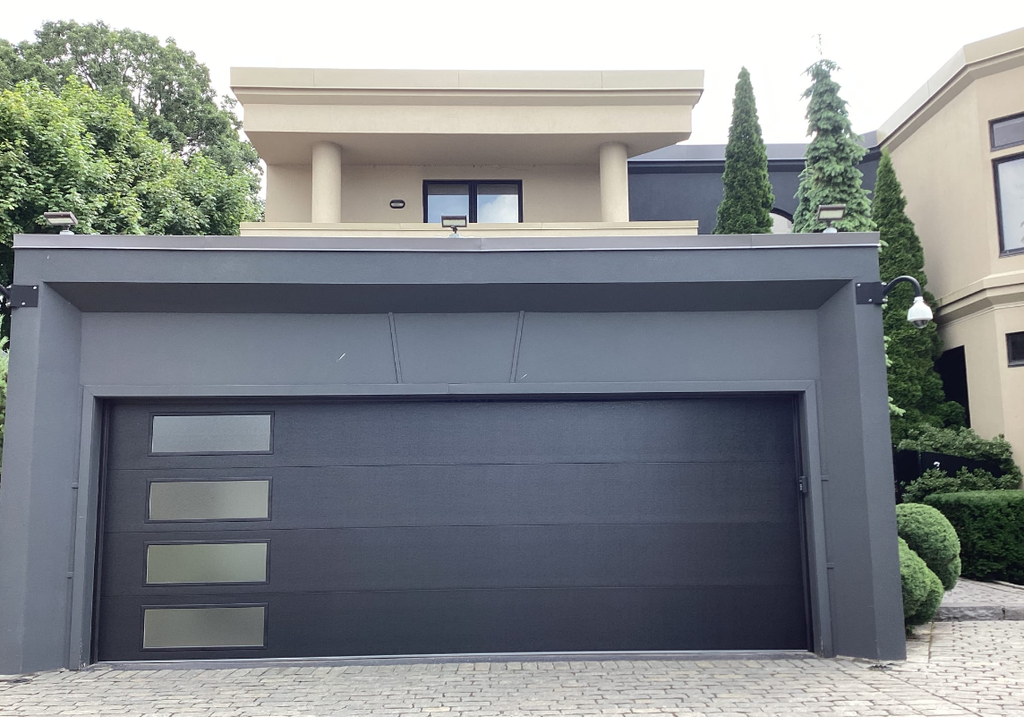
Heavy rain can affect more than the exterior of your home. It can also interfere with how your garage door opens, closes, and responds to remote controls. Homeowners may notice that their garage door moves more slowly, makes unusual noises, stops halfway, reverses unexpectedly, or refuses to operate altogether during a storm. These changes can be frustrating, especially when you need to access your garage during bad weather.
Garage doors rely on several mechanical and electrical components working together. Tracks, rollers, springs, sensors, cables, weather seals, and the opener must all function properly for smooth operation. Heavy rainfall can introduce moisture into these components, affect electrical connections, and allow dirt or debris to collect around moving parts.
Understanding why your garage door behaves differently during heavy rain can help you recognize potential problems before they lead to more expensive repairs. Regular inspections and timely maintenance can also help protect your garage door from Florida’s changing weather conditions.
How Heavy Rain Affects Garage Door Operation
Rain can affect garage doors in several ways, depending on the condition of the door, the age of its components, and the amount of water entering the garage area. Although most modern garage doors are designed to withstand outdoor conditions, prolonged exposure to moisture can still create problems.
Water can collect around the bottom of the door, enter small openings, and reach mechanical or electrical components. High humidity can also contribute to corrosion and affect metal hardware over time.
Some problems appear only while it is raining, while others become noticeable after a storm has passed. Paying attention to these changes can help you identify whether the issue is related to moisture or an existing mechanical problem.
Moisture Can Affect Garage Door Sensors
One common reason a garage door behaves differently during heavy rain is moisture around the safety sensors. These sensors are generally installed near the bottom of the garage door tracks. They communicate with each other using an infrared beam to detect objects or obstructions in the doorway.
If something interrupts the beam, the garage door opener may prevent the door from closing or reverse its movement.
During heavy rainfall, water droplets, condensation, or accumulated dirt can interfere with sensor performance. Moisture on the sensor lenses may reduce the effectiveness of the infrared beam. If the sensors become misaligned because of accidental contact or movement around the mounting brackets, the opener may also interpret the situation as an obstruction.
You may notice that the garage door starts closing but immediately reverses or refuses to close completely.
Homeowners can visually inspect the sensor lenses and remove light dirt using a soft, dry cloth. Check whether both sensors appear properly aligned and whether their indicator lights show normal operation.
Never bypass or disable the safety sensors to force the door to close. If cleaning and basic alignment checks do not resolve the problem, a professional inspection may be necessary.
Water Exposure Can Cause Track and Roller Problems
Garage door tracks and rollers play an important role in guiding the door during opening and closing. They need to remain properly aligned and free from excessive dirt or obstructions.
Heavy rain can carry mud, dust, leaves, and other debris into the garage. When this material collects around the tracks, rollers may experience additional friction. Water can also wash away some of the existing lubrication from moving components.
As a result, your garage door may move unevenly, produce grinding sounds, or appear to struggle when traveling along the tracks.
In some cases, moisture can contribute to rust formation on metal rollers, brackets, and track hardware. Corrosion may gradually make movement less smooth and increase wear on connected components.
Homeowners should periodically inspect visible track areas for dirt, standing water, and signs of corrosion. However, avoid bending tracks, adjusting mounting brackets, or attempting to reposition rollers without professional assistance. Incorrect adjustments can affect the door’s balance and create safety hazards.
High Humidity Can Lead to Rust and Corrosion
Florida’s humid climate can create ongoing challenges for garage door systems. Even when rain does not directly enter the garage, moisture in the air can affect metal components over time.
Springs, cables, hinges, brackets, bolts, and other hardware are particularly vulnerable to corrosion. When rust develops, these components may become less flexible or experience increased friction during operation.
For example, rusty rollers may struggle to move smoothly through the tracks. Corroded hinges can create squeaking or grinding noises, while deteriorating springs may affect the door’s balance.
You might notice that your garage door operates normally on dry days but becomes louder or moves unevenly when the weather is particularly humid.
Routine inspections can help identify early signs of corrosion before they affect the entire system. A professional technician can determine whether cleaning, lubrication, component replacement, or other repairs are necessary.
Electrical Problems Can Interrupt Garage Door Opener Performance
Your garage door opener depends on electrical components to receive commands and control the door’s movement. Heavy rain and moisture exposure can sometimes affect these components, particularly when electrical connections or wiring are already damaged.
Water entering through an improperly sealed area may reach electrical outlets, wiring connections, wall controls, or other opener components. Moisture can contribute to electrical interruptions, short circuits, or inconsistent signals.
Some homeowners experience delayed responses when pressing their remote controls. Others notice that the wall button works intermittently or that the opener stops responding during a storm.
Power fluctuations associated with severe weather can also interrupt normal opener operation. If your garage door opener behaves unusually during thunderstorms, avoid repeatedly pressing the controls or attempting to reset electrical components while they are wet.
Check for visible signs of water around the opener and electrical outlets without touching wet equipment. If you suspect water has reached an electrical component, stop using the system and arrange a professional inspection.
Damaged Weather Seals Allow Water to Enter the Garage
Weather seals are designed to help protect the garage interior from rain, dust, insects, and outdoor air. The bottom seal runs along the lower edge of the garage door, while additional weatherstripping helps close gaps along the sides and top.
Over time, these seals can become brittle, cracked, flattened, or detached. Florida’s intense sunlight, temperature changes, and humidity can accelerate their deterioration.
When heavy rain arrives, damaged seals may allow water to enter beneath or around the garage door. Wind-driven rain can make the problem worse by pushing water through small openings.
Water entering the garage can affect stored belongings, flooring, electrical equipment, and nearby door hardware. Standing moisture may also increase the likelihood of rust developing on metal components.
Inspect the bottom seal for visible cracks, missing sections, or areas that no longer make proper contact with the garage floor. Check the side weatherstripping for gaps or separation.
Replacing worn seals can improve protection against ordinary rain exposure. However, garage doors are not completely waterproof, and strong wind-driven rain or flooding may still cause water intrusion.
Strong Winds and Rain Can Affect Door Alignment
Heavy rain often arrives with strong winds, especially during Florida thunderstorms. Wind pressure can place additional stress on garage door panels, tracks, hinges, and mounting hardware.
Flying leaves, branches, and other debris may also strike the door or collect around its moving components.
If wind pushes against an already weakened garage door, loose hardware or existing alignment problems may become more noticeable. The door might shake during operation, move unevenly, scrape against the tracks, or stop before reaching its fully open or closed position.
In some cases, storm-related damage may affect the door panels or track assembly. Continuing to operate a damaged door can place additional strain on the opener and other connected components.
After severe weather, visually inspect the door for dents, loose hardware, bent tracks, or unusual gaps. If the door appears crooked or struggles to move, avoid operating it until a technician has checked the system.
Why Does the Garage Door Opener Struggle During Rain?
Sometimes, the door itself appears to be in good condition, but the opener struggles to move it during heavy rain.
This can happen when existing mechanical problems become more noticeable under changing weather conditions. For example, worn rollers, insufficient lubrication, damaged hinges, or a door that is not properly balanced can increase resistance during movement.
The opener must work harder to move a door that encounters excessive friction. You may hear the motor running longer than usual, notice slower movement, or experience unexpected stopping.
Rain-related moisture may also reveal an existing electrical issue that was not previously noticeable.
It is important to understand that the opener is not necessarily the source of every operating problem. A professional should inspect the complete garage door system, including its springs, cables, rollers, tracks, and opener, before recommending a repair.
How to Protect Your Garage Door During Heavy Rain
Taking a few preventive steps can help reduce the effects of heavy rainfall on your garage door. Regular maintenance is particularly important for homeowners living in areas that experience frequent storms and high humidity.
Here are some practical ways to protect your garage door:
- Inspect weatherstripping: Check the bottom, sides, and top of the door for damaged or missing seals. Replace deteriorated weatherstripping to reduce water intrusion.
- Keep tracks clear: Remove visible dirt and debris from accessible track areas. Avoid bending or adjusting the tracks.
- Check safety sensors: Keep sensor lenses clean and make sure nothing blocks their infrared beam.
- Look for corrosion: Pay attention to visible rust on hinges, brackets, springs, and other metal hardware.
- Maintain moving components: Have rollers, hinges, and other appropriate components inspected and lubricated according to the manufacturer’s recommendations.
- Protect electrical equipment: Make sure the opener and its electrical connections are protected from water exposure. A qualified electrician can address concerns involving outlets or wiring.
- Schedule regular inspections: Professional maintenance can help identify worn components, alignment issues, and other problems before they cause an unexpected breakdown.
These steps can help maintain normal operation, but they cannot eliminate every weather-related problem. If your garage door starts behaving differently during storms, identifying the underlying cause is important.
When Should You Schedule Professional Garage Door Repair?
Not every weather-related garage door problem requires an immediate component replacement. However, certain warning signs indicate that your system needs professional attention.
Consider scheduling an inspection if you experience any of the following:
- The garage door reverses unexpectedly while closing.
- The opener makes unusual grinding or humming noises.
- The door moves more slowly than normal.
- The door becomes stuck halfway through its operating cycle.
- You notice rust, frayed cables, or damaged springs.
- The garage door appears crooked or shakes during movement.
- The remote control or wall switch responds inconsistently.
- Water continues entering the garage despite having weather seals.
A trained technician can inspect the system, identify moisture-related damage, and determine which components need attention.
For homeowners experiencing these issues, professional Garage Door Repair can help restore smooth operation and address underlying mechanical or electrical problems.
Avoid attempting to repair broken springs, damaged cables, or electrical components yourself. Garage door springs and cables operate under significant tension, making improper repairs dangerous.
Why Regular Garage Door Maintenance Matters in Florida
Florida homeowners face several environmental challenges that can affect garage door performance. Frequent rainfall, high humidity, intense sunlight, and seasonal storms can gradually wear down different parts of the system.
Regular maintenance helps identify developing problems before they cause unexpected breakdowns. It also provides an opportunity to check the door’s balance, inspect safety features, examine weather seals, and evaluate the condition of mechanical components.
Following a consistent maintenance schedule can help reduce unnecessary wear and support dependable operation throughout the year.
Homeowners can also benefit from understanding the maintenance requirements of their particular garage door model. For additional guidance, read What Florida Homeowners Need to Know About Garage Door Maintenance.
If you live in an area that experiences frequent heavy rain, arranging an inspection before the rainy season can help identify potential weaknesses. Checking the door again after particularly strong storms can also help catch damage early.
Garage Door Repair Services for Apollo Beach Homeowners
Apollo Beach homeowners regularly experience Florida’s humid weather, heavy rainfall, and seasonal storms. These conditions can place additional demands on garage door systems, especially when components have already experienced wear.
A garage door that operates inconsistently during rain should not be ignored. Problems involving safety sensors, electrical connections, weather seals, tracks, or moving hardware may become more noticeable during periods of heavy rainfall.
Phil’s Garage Doors provides garage door services to help homeowners address operating problems and maintain their garage door systems. Whether your door struggles to close, makes unusual noises, or requires attention after a storm, professional assistance can help identify the appropriate solution.
Homeowners looking for local assistance can explore Garage Door Repair Apollo Beach to learn more about available services in the area.
Frequently Asked Questions
1. Can heavy rain prevent my garage door from closing?
Yes. Moisture on safety sensors, electrical interruptions, or debris around the tracks can interfere with normal operation. Inspect visible sensor areas and contact a technician if the problem continues.
2. Why does my garage door make more noise when it rains?
Rain and humidity can expose existing problems involving rollers, hinges, springs, or other metal hardware. Moisture-related corrosion and insufficient lubrication may also contribute to unusual noises.
3. Can water damage a garage door opener?
Yes. Water entering the opener or reaching electrical connections can cause malfunctions and potentially create electrical hazards. Stop using equipment that may have become wet and arrange a professional inspection.
4. How often should I inspect my garage door in Florida?
A monthly visual inspection is a useful habit. Homeowners should also arrange periodic professional maintenance and check the system after severe storms.
5. Should I operate my garage door if it moves unevenly after heavy rain?
No. Uneven movement may indicate damaged tracks, worn rollers, broken springs, or other mechanical problems. Avoid forcing the door and have it inspected before further operation.
Conclusion
Heavy rain can affect garage door performance through moisture exposure, sensor interference, corrosion, electrical problems, damaged weather seals, and storm-related debris. These issues can cause your door to move slowly, reverse unexpectedly, make unusual noises, or stop working altogether.
Regular inspections and preventive maintenance can help reduce weather-related wear and identify developing problems before they become more serious. If your garage door operates differently during heavy rain, addressing the issue early can help protect your home’s security and keep your system functioning properly.
Phil’s Garage Doors can help homeowners identify garage door problems and find appropriate repair solutions. Paying attention to unusual changes in operation and arranging professional service when necessary can make a difference in maintaining your garage door throughout Florida’s rainy seasons.
