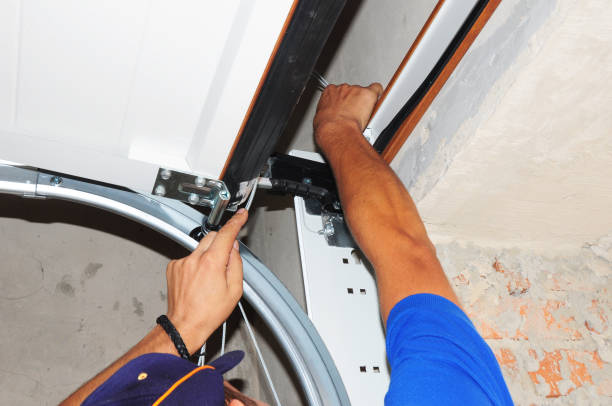
Installing a new garage door is an important investment for any homeowner. A properly installed garage door improves the appearance of a property, provides convenient access, supports home security, and helps protect the garage from outside elements. However, choosing an attractive and durable door is only one part of the installation process. Proper panel alignment is equally important for ensuring that the entire system operates smoothly and safely.
Garage door panels are designed to work together as the door moves along its tracks. Each section must connect correctly with the panels above and below it. When the panels are not properly aligned, homeowners may experience uneven movement, unusual noises, gaps between sections, increased pressure on hardware, and difficulty opening or closing the door.
These problems can sometimes appear shortly after installation if measurements, track positioning, or hardware adjustments are not handled correctly. Understanding why alignment matters can help homeowners recognize potential issues and maintain their new garage door in good working condition.
Understanding Garage Door Panel Alignment
A sectional garage door consists of multiple horizontal panels connected by hinges. These panels move along vertical and horizontal tracks with the help of rollers, cables, springs, and an opener system. As the door opens, the sections gradually bend at the hinges and travel along the curved portions of the tracks before resting overhead.
Proper panel alignment means that every section sits evenly within the garage door assembly. The panels should form a straight, consistent surface when the door is closed, without noticeable gaps, uneven edges, or sections that appear tilted.
Alignment also involves making sure the hinges and rollers are positioned correctly. Even a small installation error can affect how the entire door moves.
During installation, technicians must consider the dimensions of the garage opening, the condition of the surrounding structure, track positioning, and the specifications of the selected door. These details help ensure that the panels work together as intended.
Why Proper Panel Alignment Matters After Installation
1. Supports Smooth and Consistent Door Movement
One of the main benefits of correct panel alignment is smooth operation. A properly aligned garage door should open and close without unnecessary resistance, shaking, or sudden changes in movement.
When the panels are installed unevenly, the rollers may not travel smoothly through the tracks. One section might experience more friction than another, causing the door to move unevenly.
Homeowners may notice that the door hesitates while opening, shakes during operation, or makes unusual sounds when moving between the vertical and horizontal track sections.
Correct alignment helps distribute movement evenly throughout the door assembly. It allows the hinges and rollers to function as intended, reducing unnecessary resistance during everyday operation.
2. Reduces Unnecessary Stress on Garage Door Components
Garage doors depend on several mechanical components working together. These include springs, cables, rollers, hinges, tracks, and the opener system.
When panels are misaligned, additional pressure may develop in certain areas of the door. For example, a section that sits unevenly can place extra stress on its hinges and rollers as the door moves.
Over time, this additional pressure may contribute to premature wear, loose hardware, damaged rollers, or other mechanical problems.
Proper panel alignment helps distribute the door’s movement more evenly. This reduces unnecessary strain on individual components and supports better overall system performance.
It is particularly important after a new installation because the door’s components should be correctly positioned from the beginning.
3. Helps Prevent Gaps Between Garage Door Panels
Visible gaps between garage door sections can indicate an alignment problem. When panels do not sit evenly against one another, small openings may appear between their edges.
These gaps can allow outside air, dust, moisture, and insects to enter the garage. Depending on their size and location, they may also reduce the effectiveness of the door’s weather seals.
A properly aligned door creates a more consistent barrier when closed. The panels should meet evenly, while the appropriate seals help cover the spaces around the door.
This is especially useful for homeowners who use their garage for storage, laundry, hobbies, or other activities that benefit from a cleaner and more comfortable indoor environment.
4. Improves the Appearance of Your Garage Door
A new garage door can significantly influence the exterior appearance of a home. Its design, color, material, and panel style contribute to the property’s overall visual appeal.
However, even an attractive garage door may look unfinished when its panels are not properly aligned.
Uneven horizontal sections, crooked panel edges, and inconsistent spacing can make a newly installed door appear poorly fitted. These issues may be noticeable from the driveway or street.
Proper alignment helps create straight horizontal lines and consistent spacing across the entire door. It allows decorative panel designs to appear balanced and gives the garage entrance a more finished appearance.
For homeowners investing in a new door to improve curb appeal, correct alignment is an important part of achieving the desired result.
5. Supports Better Garage Door Opener Performance
The garage door opener is responsible for moving the door through its opening and closing cycles. Although the opener provides the necessary force, it should not have to compensate for mechanical problems caused by incorrect installation.
Misaligned panels can create resistance as the door moves through the tracks. This may cause the opener to work harder than necessary, particularly when the door is closing or transitioning through the curved track sections.
In some situations, homeowners may notice slower operation, unusual motor sounds, or inconsistent movement.
Proper alignment helps the door travel more freely, allowing the opener to perform its intended function without unnecessary resistance.
It is also important to check the door’s balance and spring system during installation. Panel alignment alone cannot correct problems caused by incorrect spring tension or an unsuitable opener.
6. Helps Maintain Long-Term Garage Door Durability
A garage door is used repeatedly throughout the year. Every opening and closing cycle places movement and mechanical stress on its components.
When the panels are correctly aligned, the door can move through its operating cycle with fewer unnecessary obstructions. This helps reduce uneven wear on the hinges, rollers, tracks, and related hardware.
On the other hand, an alignment issue that remains unnoticed may gradually contribute to additional mechanical problems.
For example, repeated friction can wear down rollers, while uneven movement may place extra pressure on hinges and connecting hardware.
Correct installation and regular inspections help homeowners identify these concerns before they develop into more significant problems.
Common Signs of Garage Door Panel Misalignment
Although some alignment problems are difficult to identify without a professional inspection, several visible and operational signs can indicate that something is wrong.
Uneven Spaces Between Panels
Look at the horizontal sections when the garage door is fully closed. The gaps between the panels should appear reasonably consistent. If one section sits noticeably higher or lower than another, an alignment issue may be present.
Crooked or Uneven Door Sections
A garage door should form a relatively straight surface when viewed from outside. If one side appears lower or a panel looks tilted, the installation may need further inspection.
Unusual Grinding or Rattling Sounds
Misaligned panels can affect how rollers travel along the tracks. If you hear grinding, scraping, rattling, or repeated clicking sounds, the hinges, rollers, tracks, and panel connections may need to be checked.
Shaking During Operation
A properly functioning garage door should move steadily. Excessive shaking or jerking during opening and closing may indicate uneven panel positioning, track problems, loose hardware, or an imbalance in the system.
Difficulty Opening or Closing
If a newly installed door struggles to move, stops unexpectedly, or reverses without an obvious obstruction, the entire operating system should be inspected.
These symptoms do not always indicate panel misalignment. Problems with the springs, cables, opener, tracks, or safety sensors can produce similar behavior.
What Causes Garage Door Panels to Become Misaligned?
Panel alignment problems can develop for several reasons, including installation mistakes and changes that occur after the door has been fitted.
Incorrect Measurements During Installation
Accurate measurements are essential for a successful garage door installation. If the opening dimensions, side clearance, or available headroom are measured incorrectly, the door may not fit the space as intended.
Incorrect measurements can affect track placement and the positioning of the door sections.
Improper Track Installation
Garage door tracks guide the rollers throughout the opening and closing process. If the tracks are not installed at the correct height, spacing, or angle, the panels may travel unevenly.
Even small positioning errors can affect the movement of the entire door.
Loose or Incorrectly Positioned Hardware
Hinges, brackets, and roller assemblies help connect and guide individual panels. If these components are loose or installed incorrectly, the sections may shift during operation.
A professional installation includes checking the hardware to ensure that the components are properly secured and positioned.
Uneven Garage Floor or Opening Structure
The condition of the garage opening also matters. An uneven floor, damaged framing, or structural irregularities can affect how the door sits when closed.
Technicians should evaluate the surrounding structure before installation and account for any conditions that may affect the finished setup.
Normal Wear After Repeated Use
Even when a garage door is installed correctly, its components experience regular wear. Hinges can loosen, rollers can deteriorate, and hardware may require adjustment over time.
Periodic maintenance helps identify these changes before they begin affecting panel alignment and overall performance.
How Professional Installation Helps Maintain Proper Alignment
Correct panel alignment begins with careful preparation and accurate installation. Professional technicians understand how the different parts of a garage door system work together and why each adjustment matters.
A proper installation generally involves several important steps.
Inspecting the garage opening: Before fitting the new door, technicians evaluate the opening, surrounding framing, floor level, available headroom, and side clearance. This helps identify conditions that could affect the installation.
Taking accurate measurements: The garage door and its components must match the dimensions and requirements of the opening. Accurate measurements help prevent fitting and positioning problems.
Positioning the tracks correctly: Vertical and horizontal tracks must be installed according to the door manufacturer’s specifications. Proper positioning allows the rollers to travel smoothly.
Connecting the panels carefully: Each section must be placed correctly, with hinges and connecting hardware fitted in their appropriate positions.
Checking door balance: The spring system must be properly adjusted to support the door’s weight. An incorrectly balanced door may move unevenly or place unnecessary pressure on the opener.
Testing the complete system: After installation, technicians should operate the door through multiple cycles and inspect its movement, panel spacing, hardware, and safety features.
Choosing professional garage door installation helps ensure that these important details receive proper attention. A professional installation is not simply about attaching a new door to the garage opening. It also involves making sure that the tracks, panels, springs, rollers, and opener work together as a complete system.
Why Proper Installation Matters for Long-Term Performance
A garage door installation affects more than the initial appearance of the property. The quality of the installation can influence how well the door performs over time.
When the door is fitted correctly, its panels move together, the hardware experiences more consistent operating conditions, and the opener can function without unnecessary resistance.
Incorrect installation, however, may lead to problems that become more noticeable after repeated use. These can include uneven movement, premature component wear, increased operating noise, and repeated adjustment requirements.
Understanding the proper garage door installation process helps homeowners recognize why accurate measurements, careful component placement, and final performance checks are important.
It is also worth remembering that installation quality and routine maintenance work together. Even a correctly installed garage door needs periodic inspection, lubrication where appropriate, and attention to worn or damaged components.
Garage Door Panel Alignment for Homeowners in Longmont
Colorado homeowners should consider the condition of their garage door throughout the year. Temperature changes, regular operation, and exposure to outdoor conditions can affect garage door materials and mechanical components.
In areas such as Longmont, homeowners may experience seasonal temperature variations that make regular garage door inspections particularly useful.
Metal components can expand and contract as temperatures change, while moisture and debris may affect certain parts of the door assembly. Although these conditions do not automatically cause panel misalignment, they can make existing installation or maintenance problems more noticeable.
Homeowners should pay attention to unusual noises, uneven panel spacing, and changes in the way the door opens or closes.
If a new garage door does not appear level or moves unevenly after installation, it is better to arrange an inspection rather than continue operating it without understanding the cause.
For property owners planning a replacement or upgrade, choosing a service provider familiar with local garage door requirements can make the process easier. Professional Longmont Garage Door Installation can help homeowners get a properly fitted door with attention to measurements, track alignment, hardware installation, and final operational checks.
Maintenance Tips to Keep Garage Door Panels Properly Aligned
After installation, homeowners can take several simple steps to help maintain their garage door’s condition.
- Inspect panel spacing regularly: Look for uneven gaps, tilted sections, or visible changes in panel positioning.
- Listen for unusual noises: Grinding, scraping, and repeated rattling sounds may indicate that certain components need attention.
- Keep the tracks clean: Remove loose dirt and debris around the tracks without adjusting their positioning.
- Check visible hardware: Look for loose hinges, damaged rollers, or signs of wear without attempting to adjust spring-related components.
- Schedule periodic professional inspections: A technician can evaluate panel alignment, door balance, track positioning, cables, springs, and other mechanical parts.
- Avoid forcing the door: If the door becomes stuck or moves unevenly, stop operating it and arrange a professional inspection.
Homeowners should avoid attempting to reposition panels, adjust torsion springs, or repair lifting cables themselves. These components operate under significant tension and can cause serious injuries if handled incorrectly.
Conclusion
Proper garage door panel alignment plays an important role in the performance, appearance, and durability of a newly installed garage door. When every section is positioned correctly, the door can move more smoothly, reduce unnecessary stress on mechanical components, maintain consistent spacing, and provide a more finished appearance.
Alignment problems should not be ignored, especially when they appear shortly after installation. Uneven panels, unusual noises, shaking, and difficulty opening or closing the door may indicate that the system needs professional attention.
By choosing experienced installation professionals, ensuring that the complete system is tested, and following a regular maintenance routine, homeowners can help protect their investment and maintain dependable garage door operation.
For homeowners planning a new installation or experiencing alignment concerns, Pop’s Garage Door can provide professional garage door installation and service to help keep their garage door system operating as intended.
