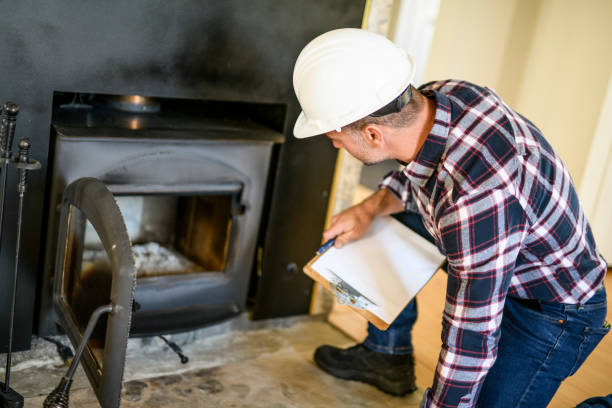
Buying an older home can be an exciting experience. These properties often have unique architectural details, traditional fireplaces, and character that newer houses may not offer. However, older homes can also come with hidden maintenance issues, especially when it comes to fireplaces and chimneys. A fireplace that looks attractive during a property viewing may have underlying problems that are difficult to identify without a professional assessment.
Before finalizing a home purchase, arranging a professional fireplace inspection can help you understand the fireplace’s condition, identify potential safety concerns, and estimate future repair expenses. Issues such as damaged firebricks, deteriorating mortar, creosote buildup, blocked flues, and structural deterioration can affect fireplace performance and household safety.
A professional inspection provides valuable information that can help buyers make informed decisions. Whether you plan to use the fireplace regularly or simply want to preserve its original appearance, understanding its condition before purchasing the property is an important step.
Why Should You Inspect a Fireplace Before Buying an Older Home?
Fireplaces in older homes may have experienced years of regular use, limited maintenance, or exposure to changing weather conditions. Even if the fireplace appears clean and well-maintained, internal components may have deteriorated over time.
A professional fireplace inspection helps uncover problems that may not be visible during a regular home viewing. An experienced technician examines important components, including the firebox, damper, chimney structure, flue, and surrounding masonry.
This assessment helps determine whether the fireplace is safe to operate, requires repairs, or needs additional maintenance before use.
It can also help prevent unexpected expenses after moving into the property. Instead of discovering significant fireplace damage months after purchasing the home, you can understand the potential costs beforehand and discuss necessary repairs during the buying process.
Identifying Hidden Fireplace Damage
One of the biggest advantages of a professional inspection is identifying damage that may be hidden behind the fireplace’s visible surfaces.
Older fireplaces can develop several problems due to heat exposure, moisture penetration, aging materials, and improper maintenance.
Some common issues include:
- Cracked Firebricks: Firebricks protect the fireplace structure from intense heat. Cracks, missing sections, or deteriorating mortar can reduce this protection.
- Damaged Firebox: The firebox may develop gaps, loose masonry, or deteriorating surfaces after years of use.
- Worn Fireplace Mortar: Aging mortar joints can weaken and create openings that allow heat and smoke to reach surrounding materials.
- Damaged Dampers: A malfunctioning damper may prevent proper airflow and allow cold air to enter the home.
- Moisture Damage: Water entering through the chimney can cause staining, masonry deterioration, rust, and other structural problems.
A trained professional can assess these conditions and recommend appropriate fireplace repair services when necessary.
Identifying these problems before purchasing a property gives you a clearer understanding of the fireplace’s condition and whether repairs should be completed before regular use.
Checking the Chimney for Structural Problems
A fireplace inspection should not focus only on the visible firebox. The chimney is equally important because it provides a safe passage for smoke and combustion gases to exit the home.
Older chimneys may experience structural deterioration due to years of exposure to rain, snow, temperature changes, and general wear.
During an inspection, professionals may examine:
- Chimney bricks and masonry joints for cracks or deterioration.
- The chimney crown for signs of damage or water penetration.
- The chimney cap for missing components or improper installation.
- The flashing around the roof connection for potential leaks.
- The flue liner for cracks, gaps, or deterioration.
- Signs of moisture damage inside the chimney.
These checks help determine whether the chimney can safely support fireplace operation. Structural problems should be addressed before using the fireplace because damaged masonry or flue components may create fire and carbon monoxide hazards.
Evaluating Creosote Buildup and Chimney Blockages
Creosote is a combustible residue that forms when wood smoke cools and condenses inside the chimney. Over time, this material can accumulate along the flue walls, creating a potential chimney fire hazard.
In older homes, creosote buildup may be particularly concerning if previous owners used the fireplace frequently without scheduling regular chimney cleaning.
A professional inspection helps identify:
- Thick creosote deposits inside the chimney.
- Soot accumulation around the smoke chamber and flue.
- Bird nests, leaves, and other debris blocking the chimney.
- Damaged flue liners that may affect proper ventilation.
- Signs of smoke escaping through gaps or damaged connections.
A blocked or heavily contaminated chimney can interfere with proper smoke ventilation. It may cause smoke to enter the living space instead of exiting through the chimney.
An experienced technician can determine whether professional chimney sweeping or additional repairs are necessary before the fireplace is used.
Understanding Whether the Fireplace Is Safe to Operate
A fireplace can look attractive and still contain safety hazards. This is why professional evaluation is especially important when purchasing an older property.
During the inspection, a technician evaluates whether the fireplace and chimney components are in suitable condition for continued use.
The assessment may include checking the firebox, smoke chamber, damper, flue liner, and surrounding construction. Professionals also look for visible gaps, deteriorating materials, and conditions that could allow excessive heat to reach nearby combustible building materials.
For example, damaged firebox walls may expose surrounding structures to excessive heat. Similarly, cracks in the flue liner can allow combustion gases and heat to escape into areas where they should not be present.
A professional inspection can identify these concerns and explain which repairs should be completed before operating the fireplace.
If a serious defect is suspected, avoid using the fireplace until it has been evaluated and cleared by a qualified professional.
Understanding the Importance of a Level Two Chimney Inspection
When purchasing an older home, a standard visual examination may not provide enough information about the fireplace and chimney system.
Under NFPA 211 inspection guidance, a Level Two inspection is recommended when a property is sold or transferred. It includes the accessible areas covered by a Level One inspection, along with additional examination of accessible chimney areas and an internal video scan of the flue.
web.csia.org+1
A Level Two inspection may include:
- Examining accessible chimney areas in the attic, basement, and crawl spaces.
- Checking the chimney exterior and interior for structural deterioration.
- Using specialized camera equipment to examine the flue liner.
- Identifying obstructions, cracks, and damaged internal components.
- Evaluating whether the chimney is appropriate for continued use.
This more detailed assessment is valuable because some chimney problems cannot be identified through a simple visual examination from the fireplace opening.
Buyers should discuss the appropriate inspection scope with a qualified chimney professional and request a documented assessment before completing the property purchase.
Estimating Future Fireplace Repair and Maintenance Costs
Another important benefit of a professional fireplace inspection is understanding the potential maintenance expenses associated with an older property.
Fireplace repairs can vary significantly depending on the type and severity of the damage. Minor issues, such as a damaged damper or deteriorating mortar joints, may require relatively straightforward repairs. More extensive problems involving the flue liner, chimney masonry, or firebox may require a larger investment.
An inspection helps buyers identify existing problems and understand which repairs may be necessary.
For example, a technician might recommend:
- Replacing damaged firebricks inside the firebox.
- Repairing deteriorated mortar joints.
- Replacing a damaged chimney cap.
- Repairing flashing to prevent water intrusion.
- Restoring damaged fireplace masonry.
- Repairing or replacing a deteriorated flue liner.
- Cleaning accumulated creosote and debris.
Having this information before purchasing the property can help you prepare a realistic maintenance budget.
It may also give you useful information when discussing repair responsibilities with the seller. Depending on the inspection findings, you may negotiate for repairs to be completed before closing or request an adjustment to the purchase price.
Preventing Moisture-Related Fireplace Problems
Water is one of the most common causes of deterioration in older chimney systems. Rain, snow, and moisture can enter through damaged chimney crowns, missing caps, deteriorated flashing, or cracks in the masonry.
Over time, moisture exposure can weaken mortar joints, damage bricks, create rust on metal components, and contribute to interior staining.
During a professional inspection, technicians look for visible signs of water intrusion and assess areas where moisture may be entering the chimney.
This is particularly important in regions with changing weather conditions. Repeated freezing and thawing can place additional stress on masonry, causing small cracks to expand and existing damage to become more serious.
Addressing moisture problems early can help protect the fireplace structure and reduce the likelihood of more extensive restoration work.
Why Annual Chimney Inspections Matter After Buying the Home
A pre-purchase fireplace inspection provides a starting point for understanding the system’s condition. However, regular maintenance remains important even after the property purchase is complete.
Annual chimney inspections help identify developing problems before they become more expensive or dangerous. Even a fireplace that appears to function normally can develop creosote buildup, moisture damage, loose masonry, or ventilation issues over time.
Scheduling regular inspections can help homeowners:
- Identify early signs of chimney deterioration.
- Monitor the condition of the flue liner and firebox.
- Detect creosote buildup and potential blockages.
- Address minor fireplace problems before they become extensive.
- Maintain appropriate ventilation and fireplace performance.
You can learn more about these benefits in our guide, The Importance of Annual Chimney Inspections for Home Safety.
Making chimney maintenance part of your regular home care routine helps protect your investment and supports safer fireplace operation.
Choosing Professional Fireplace Services in Colorado Springs
If you are purchasing an older property in Colorado Springs, arranging a professional fireplace and chimney inspection should be part of your home-buying preparations.
Local weather conditions, including snow, temperature fluctuations, and seasonal moisture, can contribute to chimney masonry deterioration and other fireplace-related problems. Properties with older brick chimneys may require additional attention to identify damage caused by long-term weather exposure.
Working with experienced chimney professionals can help you understand the condition of your fireplace, identify necessary repairs, and determine the maintenance required before regular use.
Claus Chimney Pros provides professional fireplace and chimney services to help homeowners address various maintenance, repair, and restoration needs.
Whether you need an assessment of an older fireplace, damaged masonry repaired, or general chimney maintenance, professional assistance can help you make informed decisions about your property.
Explore our Chimney Services Colorado Springs to learn more about available services and how professional care can help maintain your fireplace.
Final Thoughts
Buying an older home involves more than evaluating its appearance, location, and interior features. Hidden fireplace and chimney problems can create unexpected expenses and safety concerns if they are not identified before the purchase.
A professional fireplace inspection helps uncover structural damage, creosote accumulation, deteriorating firebricks, moisture intrusion, and ventilation problems. It also provides useful information about necessary repairs and future maintenance costs.
For buyers, arranging an appropriate Level Two chimney inspection before closing can provide a more detailed understanding of the fireplace and chimney system. It also helps ensure that any identified concerns can be addressed before the fireplace is used.
If your prospective home has an older fireplace, consider scheduling a professional inspection with Claus Chimney Pros. Taking this step before purchasing the property can help you protect your investment, plan for maintenance, and enjoy your fireplace with greater confidence.
