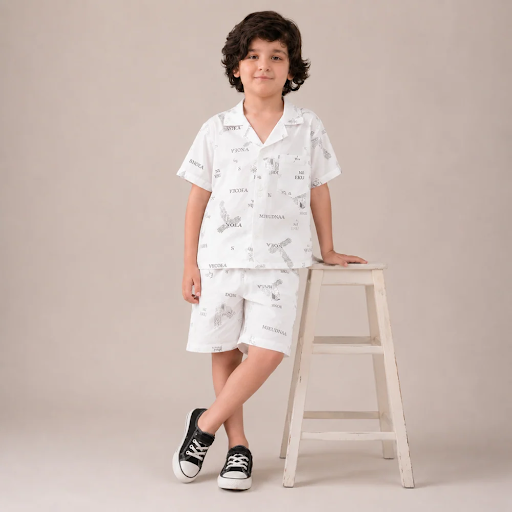
Childrens Pakistani clothes are known for their colourful designs, traditional patterns, and comfortable fabrics. From everyday cotton outfits to embroidered shalwar kameez, festive frocks, and formal suits, children’s traditional clothing comes in many styles. However, keeping these outfits clean and maintaining their original appearance can sometimes require extra attention. Fabric type, embroidery, colour, and decorative details all influence the washing process. Fortunately, most Pakistani kidswear can be washed and maintained easily with suitable care methods. Understanding basic washing instructions, drying techniques, and storage practices helps preserve fabric quality, prevent colour fading, and keep children’s outfits looking neat for regular wear and special occasions.
1. Understanding the Fabrics Used in Children’s Pakistani Clothes
Fabric selection plays an important role in determining how easily an outfit can be washed. Pakistani children’s clothing is available in different materials, including cotton, lawn, linen, chiffon, silk, and blended fabrics. Each material has specific cleaning requirements, making it important to understand the fabric before washing.
Cotton and lawn are among the easiest fabrics to maintain because both are suitable for regular use. These materials are generally lightweight, breathable, and comfortable for children. Chiffon, silk, and heavily embroidered fabrics require more careful handling because delicate fibres and decorative details can become damaged during rough washing.
2. Are Cotton Pakistani Kidswear Outfits Machine Washable?
Cotton outfits are generally easy to wash and suitable for everyday wear. Many children’s kurtas, trousers, shalwar kameez, and casual suits are made from cotton because of their softness and durability. Most cotton garments can be machine washed using a gentle or normal cycle, depending on the care label.
A mild detergent and cold or lukewarm water help maintain fabric quality. Washing cotton clothes separately from heavily coloured garments can also reduce the risk of colour transfer. Turning outfits inside out before washing protects printed patterns and decorative details. Air drying is usually a suitable option for maintaining the shape and softness of cotton clothing.
3. How to Wash Embroidered Pakistani Children’s Clothes
Embroidered outfits often require additional care because beads, sequins, threadwork, and decorative patches can become loose during washing. Formal dresses, wedding suits, and festive shalwar kameez frequently include these details, making gentle cleaning important.
Hand washing is often a safer choice for lightly embroidered garments when the care label permits it. A small amount of mild detergent mixed with cool water can help remove everyday dirt without unnecessary friction. Avoid scrubbing directly over embroidery because excessive rubbing may damage the stitching. For expensive outfits or garments with extensive embellishments, professional dry cleaning may be the better option.
4. Best Washing Methods for Different Pakistani Kidswear Fabrics
Different materials respond differently to water, detergent, and washing temperatures. Choosing the correct method helps prevent shrinking, fading, and fabric damage.
- Cotton: Machine washing with mild detergent is generally suitable.
- Lawn: Gentle machine washing or hand washing helps maintain its lightweight texture.
- Chiffon: Hand washing with cool water is often preferable.
- Silk: Professional cleaning is recommended for many silk garments.
- Linen: Gentle washing helps reduce unnecessary fabric stress.
- Polyester blends: A gentle machine cycle is usually suitable when permitted by the care label.
Following the manufacturer’s washing instructions is important because fabric blends and decorative finishes can affect the recommended cleaning method.
5. How to Prevent Colour Fading in Pakistani Children’s Clothes
Bright colours are a common feature of Pakistani kidswear. Shades such as red, pink, yellow, green, blue, and orange create attractive outfits for everyday use and celebrations. However, repeated washing, strong detergents, and direct sunlight can gradually affect colour quality.
A few simple habits can help preserve the original colours:
- Separate light and dark clothes before washing.
- Use cold water whenever suitable for the fabric.
- Choose a mild detergent designed for coloured garments.
- Avoid excessive detergent and harsh bleaching products.
- Turn printed and embroidered outfits inside out.
- Dry clothes in a shaded, well-ventilated area.
These precautions help maintain attractive colours and reduce unnecessary wear during regular washing.
6. How to Remove Common Stains from Children’s Pakistani Clothes
Children’s clothes frequently develop stains from food, juice, mud, grass, and other everyday activities. Removing stains correctly is important because aggressive cleaning can damage delicate fabrics and embroidery.
Fresh stains are generally easier to remove than stains that have dried into the material. Gently blotting the affected area with a clean cloth can help absorb excess liquid. A small amount of mild detergent mixed with cool water may be suitable for many washable fabrics. Before applying any cleaning solution, testing it on a hidden section helps identify possible colour changes.
Different stains may require different treatments. For example, food stains often respond to gentle detergent cleaning, while mud should be allowed to dry before loose dirt is brushed away. Hot water should be avoided until the stain type and fabric care instructions have been checked.
7. Hand Washing vs Machine Washing: Which Is Better?
Both hand washing and machine washing can be suitable for childrens pakistani clothes, depending on fabric construction and decorative details. Machine washing saves time and works well for durable everyday outfits, particularly cotton and suitable blended materials. However, rough washing cycles may damage delicate stitching, buttons, lace, and embroidery.
Hand washing provides greater control over water temperature and cleaning pressure. It is particularly useful for delicate dresses, lightweight fabrics, and outfits with decorative work. A gentle washing technique reduces unnecessary friction and helps protect garment details.
For heavily embellished formal clothing, professional cleaning may offer better protection than either washing method. Checking the care label before selecting a cleaning method remains the safest approach.
8. Proper Drying Techniques to Maintain Fabric Quality
Drying is another important part of clothing care. Incorrect drying methods can cause shrinking, fading, wrinkles, and damage to decorative elements. Although direct sunlight can dry clothes quickly, prolonged exposure may affect bright colours and delicate materials.
After washing, excess water should be removed gently without twisting or stretching the garment. Lightweight outfits can be hung on suitable hangers, while delicate fabrics may benefit from flat drying on a clean surface. Keeping clothes in a shaded area with good airflow helps prevent unpleasant smells and unnecessary fabric damage.
Avoid placing delicate embroidered outfits in a hot dryer unless the care label specifically allows it.
9. How to Store Pakistani Children’s Clothes Properly
Proper storage helps keep children’s outfits clean, organised, and ready for future use. Seasonal clothing, formal dresses, and everyday outfits should be stored according to their fabric and design.
Before storing any garment, ensure that it is completely clean and dry. Remaining moisture can create unpleasant smells and encourage mould growth. Cotton outfits can be folded neatly in drawers, while formal dresses may be stored on padded hangers to maintain their shape.
Additional storage tips include:
- Keep delicate embroidered outfits in breathable garment bags.
- Store seasonal clothing in clean, dry containers.
- Avoid overcrowding wardrobes.
- Keep clothes away from direct sunlight and damp areas.
- Use clean tissue paper to protect delicate decorative details.
These simple habits help preserve fabric quality and make clothing easier to organise.
10. How Often Should Children’s Pakistani Clothes Be Washed?
Washing frequency depends on the type of outfit, activity level, weather, and amount of dirt or sweat. Everyday cotton kurtas, trousers, and casual suits generally require washing after each full day of use, particularly during warmer weather. Clothes with visible stains or unpleasant smells should also be cleaned promptly.
Formal dresses and embroidered suits may not require washing after every short occasion if the garments remain clean. However, sweat, food stains, and other marks should be addressed before storage. Following appropriate care instructions helps avoid unnecessary washing, which can gradually weaken fibres and affect decorative details.
11. Common Washing Mistakes to Avoid
Even durable children’s clothing can lose its original appearance when exposed to unsuitable washing practices. Certain mistakes can shorten garment life and increase the chances of damage.
Common mistakes include:
- Using excessive detergent during washing.
- Mixing delicate outfits with heavy clothing.
- Washing all fabrics at the same temperature.
- Applying bleach to coloured garments.
- Scrubbing embroidery and decorative patterns.
- Twisting delicate clothes to remove water.
- Drying colourful outfits under strong sunlight for extended periods.
- Ignoring washing instructions printed on garment labels.
Avoiding these mistakes makes clothing care easier and helps maintain the appearance of Pakistani children’s outfits.
12. Tips for Choosing Easy-to-Maintain Pakistani Kidswear
Choosing suitable fabrics and designs before purchasing can make clothing care much simpler. Parents looking for practical everyday outfits can consider cotton, lawn, and durable fabric blends. These materials are generally comfortable and require less complicated washing routines than heavily decorated formal garments.
Simple stitching, washable prints, and minimal embellishments can also reduce maintenance requirements. For school events, family gatherings, and festive occasions, slightly more detailed outfits can be selected according to the cleaning instructions.
Checking fabric information and care labels before purchasing helps avoid unexpected maintenance requirements. A balanced collection of everyday clothing and special-occasion outfits provides practical choices for different activities.
Explore Quality and Easy-to-Maintain Kidswear at Bachaa Party
Bachaa Party offers a convenient shopping destination for parents exploring children’s clothing, accessories, and everyday essentials. A wide selection of kidswear styles makes it easier to find suitable outfits for casual activities, family gatherings, and special occasions. When selecting childrens pakistani clothes, fabric quality, comfort, stitching, and washing instructions remain important considerations. Bachaa Party provides access to different children’s clothing options, helping parents compare styles and select outfits according to individual needs. Choosing comfortable materials and practical designs makes everyday clothing care easier while keeping children’s wardrobes suitable for different seasons, celebrations, and daily activities.