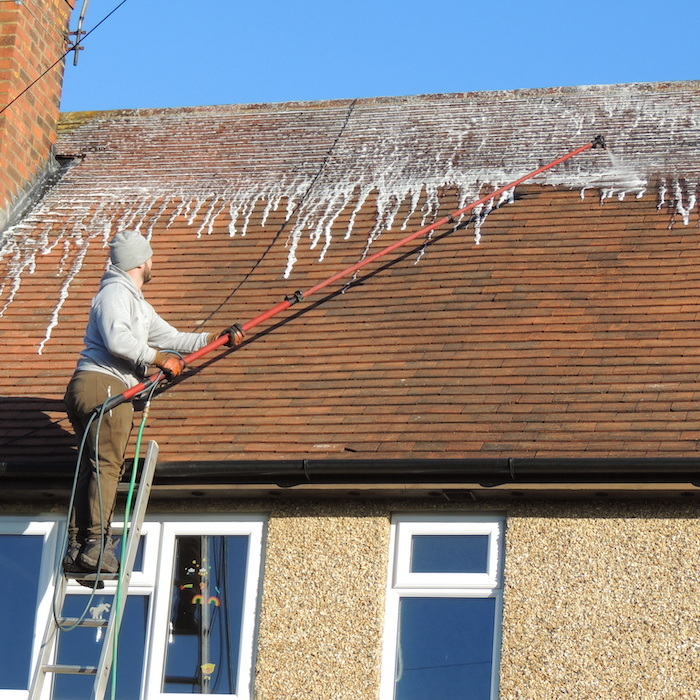
A roof can look completely different after a thorough clean. Years of accumulated moss, algae, lichen and dirt can leave roof tiles looking tired and neglected, particularly after several seasons of wet British weather. However, removing visible growth is not necessarily the end of the cleaning process.
One important aspect worth understanding is biocide treatment roof cleaning. While traditional cleaning methods focus on removing visible moss and surface deposits, a suitable biocide treatment helps tackle remaining organic growth on the roof surface. Understanding how it works can help homeowners make better decisions when arranging roof maintenance.
What Happens After the Visible Moss Has Been Removed?
Moss rarely develops overnight. It gradually establishes itself on roof tiles, especially in shaded areas where moisture remains for longer. Algae and lichen can also develop, creating green patches and dark marks that affect the overall appearance of a property.
Even after physical moss removal, small traces of organic growth may remain attached to the surface. This is one reason why roof cleaning sometimes involves more than simply brushing or washing the tiles.
A suitable treatment can help address these remaining traces rather than focusing exclusively on visible dirt.
How Does Biocide Roof Cleaning Actually Work?
Biocide roof cleaning involves using a specially formulated treatment designed to control organic growth, including moss, algae and certain other microorganisms.
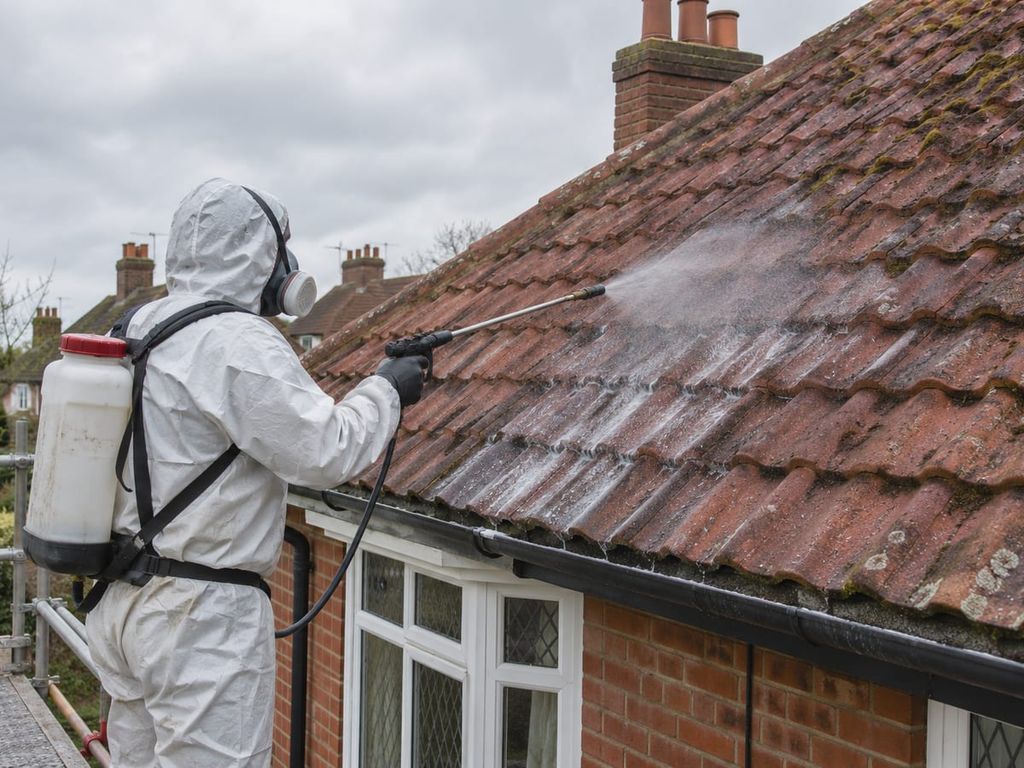
The treatment is applied to an appropriate roof surface following the recommended cleaning procedure. Rather than acting like an ordinary detergent that simply washes away dirt, a biocide works against organic organisms.
Depending on the product used and environmental conditions, the effects may develop gradually. Remaining organic material can become discoloured, weaken and eventually weather away through natural exposure to rainfall and other outdoor conditions.
The results are not always immediate, so it is important to understand that biocide treatment is not simply another form of pressure washing.
5 Reasons Why Biocide Treatment Deserves Attention
There are several reasons why homeowners consider adding a suitable treatment to their roof maintenance routine.
- Helps tackle remaining growth: Physical moss removal may not eliminate every trace of organic material. A suitable treatment helps address what remains.
- Slows down regrowth: Treating organic growth can help reduce the likelihood of moss and algae returning quickly, although results vary.
- Supports roof cleanliness: It can help maintain the appearance achieved through the initial cleaning process.
- Addresses different organic deposits: Depending on the formulation, treatments can target moss, algae and other microorganisms.
- Provides additional maintenance: It offers another step in looking after roof tiles beyond removing visible debris.
The effectiveness depends on the product, application method, roof condition and surrounding environment.
Biocide Treatment vs Ordinary Roof Washing: What’s the Difference?
Although both processes are associated with roof cleaning, they serve different purposes.
| Ordinary roof washing | Biocide treatment |
|---|---|
| Removes surface dirt and deposits | Targets organic growth |
| Helps remove visible grime | Helps deal with remaining microorganisms |
| Results are generally visible during cleaning | Results may develop gradually |
| Focuses on physical cleaning | Focuses on controlling organic growth |
Neither approach should automatically replace the other. The most suitable combination depends on the condition of the roof and the type of contamination present.
When Should You Consider Biocide Roof Treatment?
Not every roof requires the same maintenance approach. Some properties experience heavy moss accumulation, while others develop mainly algae staining or isolated patches of lichen.
A suitable biocide roof treatment may be worth considering when:
- Moss continues to appear between roof cleaning sessions.
- Green algae patches are becoming noticeable.
- Roof tiles have developed persistent organic staining.
- Visible moss has been removed but additional treatment is recommended.
- The roof needs ongoing maintenance following a previous clean.
It is also important to consider nearby trees, limited sunlight and poor ventilation, as these conditions can contribute to recurring moisture and organic growth.
Is Biocide Treatment Safe for Every Roof?
Choosing the right product is just as important as understanding its benefits. Different roof materials have different requirements, and not every treatment is suitable for every surface.
Before application, the roof should be assessed for damaged tiles, loose sections and other existing problems. Product instructions must be followed carefully, including the recommended dilution, application rate and safety precautions.
Responsible application also means protecting surrounding plants, preventing uncontrolled runoff and avoiding contamination of drains and watercourses. Weather conditions should be considered to ensure the treatment is applied appropriately.
A treatment should never be viewed as a substitute for repairing damaged tiles, fixing leaks or addressing underlying roof problems.
What Should You Check Before Booking Roof Cleaning?
Before agreeing to any roof cleaning work, take time to understand what the service actually includes. Different providers may offer different cleaning methods and treatment options.
Consider asking:
- Is visible moss physically removed before treatment?
- Which biocide product will be used?
- Is the product suitable for your roof material?
- How long might the treatment take to show results?
- What precautions are taken to protect surrounding areas?
- Is follow-up maintenance likely to be necessary?
These questions can help you understand the process rather than choosing a service based on price alone.
A Better Understanding Leads to Better Roof Maintenance
Roof cleaning is not always just about removing what you can see. Organic growth can remain on roof surfaces even after visible moss has been cleared, which is why biocide treatment roof cleaning is an important subject for homeowners to understand.
When selected and applied correctly, biocide treatment can support the cleaning process, help control remaining organic growth and slow its return. Understanding the difference between physical cleaning and biocide treatment makes it easier to decide what your roof actually needs.
Ultimately, the best approach is one that considers the roof’s material, existing condition and surrounding environment rather than relying on a one-size-fits-all cleaning method.