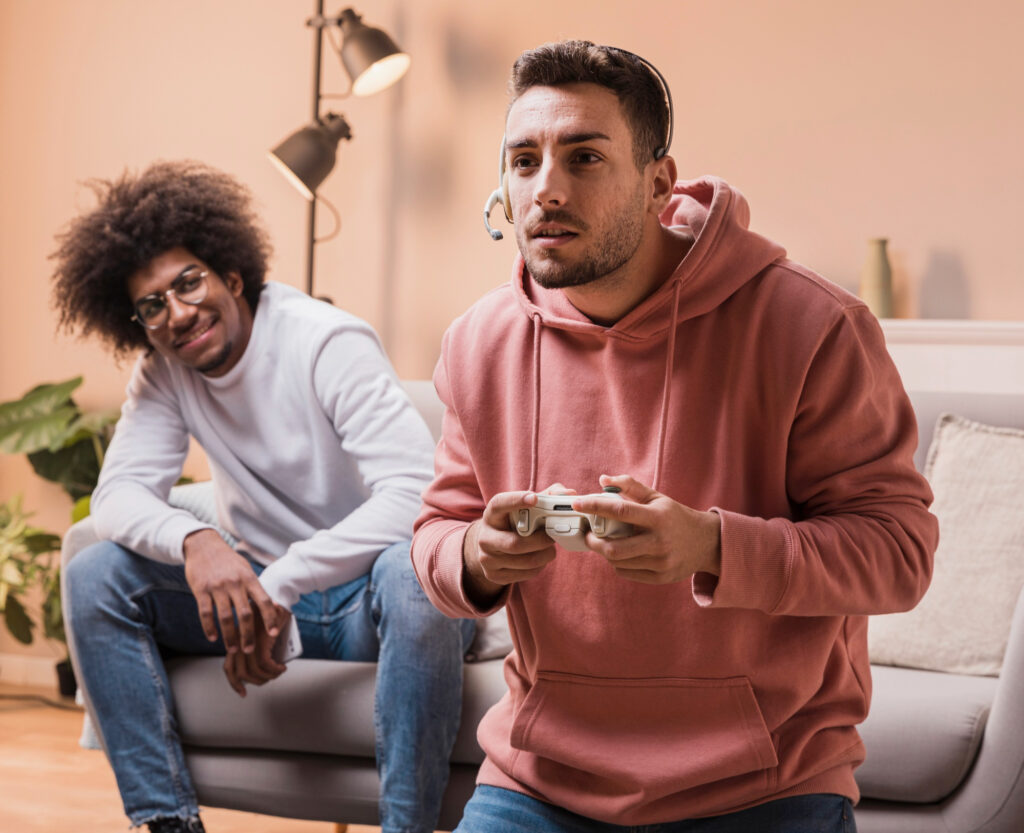
In recent years, gaming has evolved from a casual pastime into a cultural phenomenon. With millions of people across the globe immersed in games on consoles, PCs, and mobile devices, gaming has become more than just a hobby; it has become a lifestyle. However, alongside its popularity, a growing concern has emerged: gaming addiction. Some argue that gaming addiction is a serious mental health issue, while others believe it is simply misunderstood, a label applied too hastily to passionate gamers. So, is gaming addiction a real problem or a misconception? Understanding the nuances is crucial.
The Rise of Gaming in Modern Life
Gaming today is not what it used to be. Modern games are immersive, interactive, and social. Online multiplayer worlds allow players to connect with friends and strangers alike, creating communities that can be as compelling as real-life social networks. Erone covers gaming insights and reviews that reflect these evolving trends. The design of games themselves encourages continued engagement. Many games employ reward systems, progression mechanics, and achievements that keep players motivated to log in day after day. This level of engagement has sparked a debate: at what point does healthy enthusiasm cross into addiction?
The idea of addiction is often associated with substances, but behavioral addictions, such as shopping or gaming, can also have profound effects on an individual’s life. Behavioral addictions trigger the brain’s reward system, releasing dopamine and creating a sense of pleasure and satisfaction. Over time, excessive gaming can lead to the same compulsive patterns seen in substance abuse, leaving some to argue that gaming addiction is indeed a genuine concern.
Understanding Gaming Addiction
Gaming addiction, also referred to as Internet Gaming Disorder, is recognized by the World Health Organization (WHO) as a mental health condition. It is characterized by impaired control over gaming, prioritizing gaming over other activities, and continuing to game despite negative consequences. People experiencing gaming addiction may neglect work, school, or personal relationships. Sleep disruption, anxiety, and irritability are common side effects. For those affected, gaming is no longer just entertainment; it becomes a coping mechanism, a way to escape from real-life stressors and challenges.
However, it is important to recognize that not everyone who spends long hours gaming is addicted. Passionate gaming, dedication to esports, or engagement in online communities does not automatically signify a problem. The distinction lies in the impact on daily functioning. A gamer who enjoys playing for several hours a day but maintains a balanced lifestyle is not necessarily addicted. Misunderstanding this difference can lead to unnecessary stigma and may prevent individuals from enjoying gaming healthily.
The Social Misconception
One of the challenges in understanding gaming addiction is the societal perception of gamers. Gaming is often unfairly labeled as a “waste of time” or a purely escapist activity. Parents, educators, and even peers may assume that someone who spends significant time gaming is neglecting responsibilities or lacking ambition. This perception can exaggerate the appearance of addiction and create friction between gamers and their social circles.
At the same time, there are real cases where excessive gaming interferes with responsibilities and well-being. Reports of students skipping classes, employees losing productivity, or individuals isolating themselves due to gaming are not uncommon. In these situations, the behavior may resemble addiction more than simple enthusiasm. Therefore, understanding the context and the individual’s relationship with gaming is key to distinguishing between healthy engagement and problematic patterns.
Mental Health and Gaming
Research suggests a strong link between gaming and mental health. For some, gaming can provide a safe space for stress relief, social interaction, and cognitive stimulation. Games that encourage strategy, problem-solving, and creativity can have positive effects on brain function. Multiplayer games foster teamwork and communication skills, while narrative-driven games can enhance empathy and emotional understanding.
Conversely, excessive gaming can exacerbate existing mental health challenges. Anxiety, depression, and social difficulties may be amplified when a person relies too heavily on gaming as a coping mechanism. Gaming addiction often coexists with other behavioral or emotional issues, creating a cycle that can be hard to break. Recognizing when gaming shifts from beneficial to harmful is crucial for both individuals and their support networks.
Treatment and Awareness
For those struggling with gaming addiction, awareness and intervention are essential. Treatment options often mirror those for other behavioral addictions, including therapy, support groups, and lifestyle adjustments. Cognitive-behavioral therapy (CBT) has shown promise in helping individuals regain control over their gaming habits. Family involvement, healthy routines, and setting boundaries around screen time can also be effective strategies.
Importantly, raising awareness about gaming addiction does not mean demonizing gaming itself. Gaming is a legitimate form of entertainment, creativity, and social connection. Educating parents, educators, and gamers about the signs of addiction allows for early identification without stigmatizing those who enjoy gaming responsibly. By fostering an understanding approach, society can address the issue without unfairly labeling all gamers as at risk.
Striking a Balance
Ultimately, the question of whether gaming addiction is real or misunderstood may not have a simple answer. For some individuals, it is a genuine concern with tangible negative effects on their lives. For others, what appears to be addiction may simply be a misunderstanding of their dedication or passion. The key is balance. Gamers, families, and communities must recognize the difference between healthy engagement and harmful dependence.
Encouraging self-awareness, open communication, and healthy gaming habits can help ensure that gaming remains a positive experience. It is also essential to address the underlying reasons someone might turn to gaming excessively, whether for social connection, stress relief, or escapism. By doing so, gaming can continue to be a source of enjoyment, growth, and social interaction rather than a point of contention or concern.
Conclusion
Gaming addiction is neither entirely a myth nor universally experienced. It exists for some individuals, presenting real challenges and requiring support, but it is also frequently misunderstood and misrepresented. Society’s perception of gamers and gaming can exaggerate concerns, while research continues to explore the complex relationship between gaming, mental health, and behavior. Understanding this spectrum is vital. By fostering awareness, encouraging healthy habits, and distinguishing between passion and dependency, we can ensure that gaming remains an enjoyable and constructive part of modern life. Whether it is a real problem or often misunderstood, gaming deserves thoughtful attention, not judgment.